



Whether you’re working through a proper summer heatwave or just dealing with another hot, stuffy day on site, staying cool can make a big difference to how comfortably you work.
Trade work is physical at the best of times, and when you add direct sun, warm rooms, heavy workwear and long days into the mix, it does not take long for the heat to catch up with you.
That is why we have pulled together 10 useful products that can help tradesmen stay cooler, more comfortable and better prepared during the summer months.
Fans
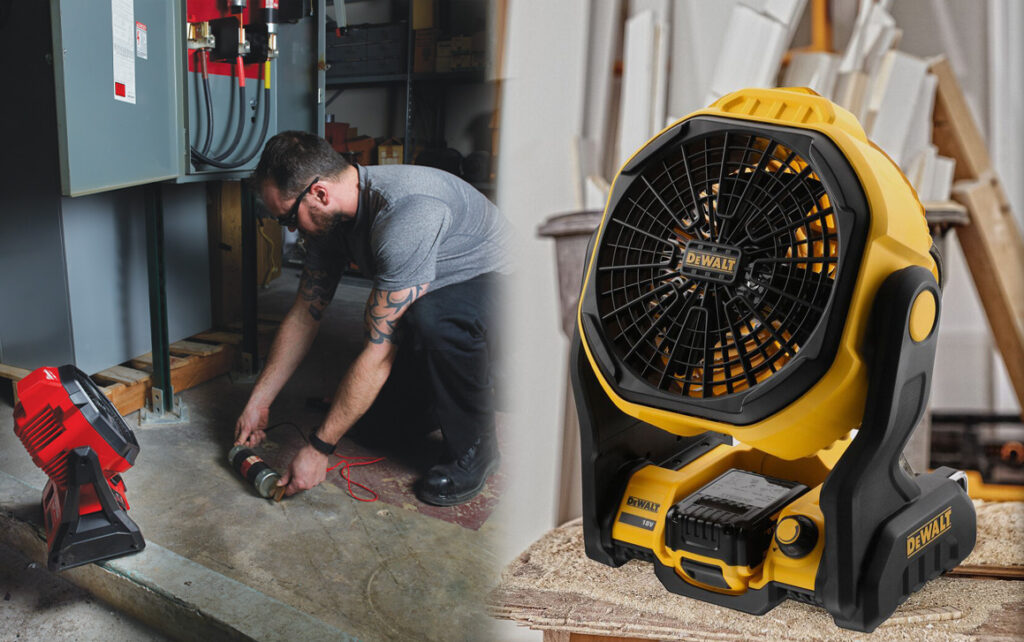
Cordless fans are one of the easiest and most effective products to put at the top of any summer site essentials list.
Whether you are working indoors, outdoors, in a van, in a loft space, or in a room with poor airflow, a fan can make hot working conditions much more manageable.
One of the biggest advantages of modern jobsite fans is that many are cordless and run from the same batteries as your power tools.
If you already use Makita, Dewalt, Milwaukee, Bosch, Hikoki, Festool, Einhell or another major cordless platform, there is a good chance you can add a fan to your kit without needing a completely separate power setup.
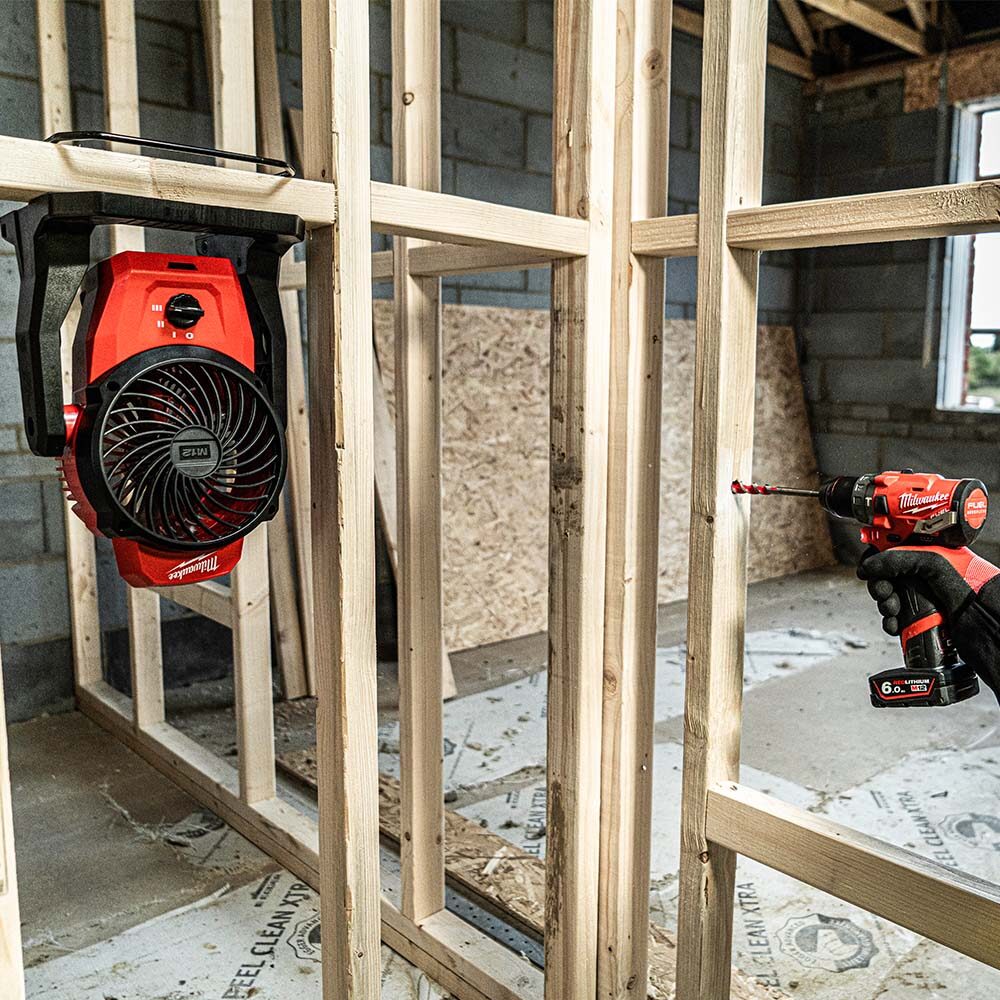
Many trade fans also include adjustable heads, hanging hooks, multiple speed settings and hybrid power options, giving you flexible cooling wherever you are working.
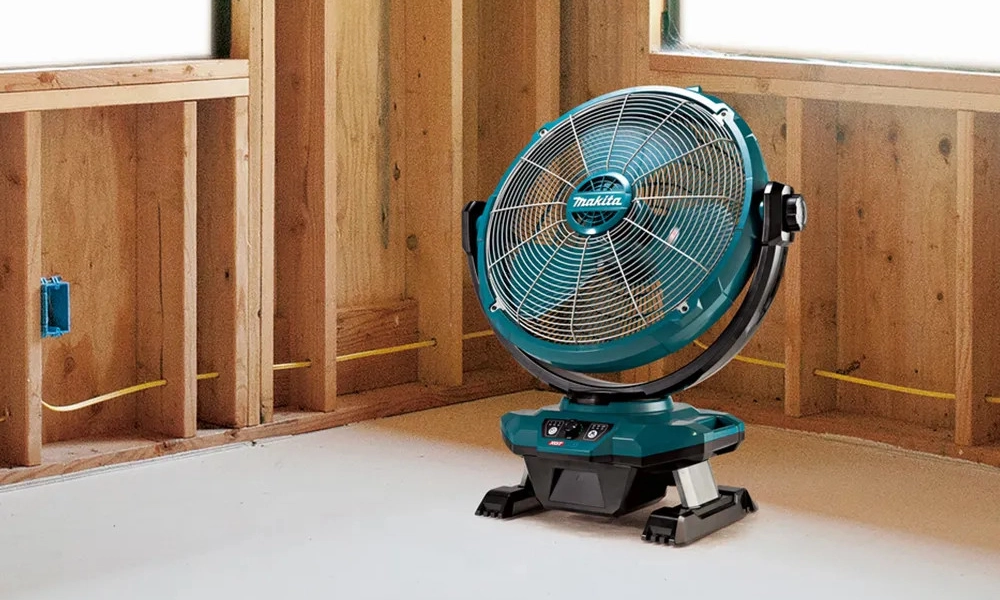
Why It’s Great for Summer Site Work
A fan will not lower the actual temperature of a site, but it can make a huge difference to comfort by improving airflow and helping sweat evaporate from the skin.
That matters when you are working in hot, stuffy or enclosed areas where the air quickly becomes stale.
For decorators, plasterers, electricians, carpenters, plumbers and general tradesmen, a cordless fan can be useful in far more situations than just cooling yourself down.
It can help move air through a room after painting, improve comfort when working in lofts or extensions, support drying in certain indoor jobs, and create a more bearable workspace during long summer days.
The best part is convenience.
If you already have spare batteries charging in the van, a cordless fan can be moved from room to room, placed next to your work area, hung from scaffolding, or positioned on the floor to keep air moving while you work.
For bigger areas, mains powered fans are still a strong choice, especially where you need continuous airflow for long periods.
Either way, a fan is one of those summer site products that seems simple until you use one properly, then you wonder why you did not buy one sooner.
Frequently asked questions
Are cordless fans worth it for tradesmen?
Yes, cordless fans are worth it for tradesmen who already use a battery platform. They are easy to move around site, do not rely on nearby sockets, and can be used in vans, workshops, extensions, lofts and unfinished rooms. They are especially useful for quick jobs, snagging work, indoor summer projects and areas where running an extension lead would be awkward.
Do jobsite fans use the same batteries as power tools?
Many jobsite fans are designed to run from the same batteries as the brand’s cordless power tools. For example, a Dewalt fan will usually work with compatible Dewalt batteries, while a Makita fan will usually work with compatible Makita batteries. This makes them a practical add on for tradesmen who already own batteries and chargers from one system. Always check compatibility before buying.
Are mains powered fans better than cordless fans?
Mains powered fans are usually better for long running times, larger spaces and situations where constant airflow is needed all day. Cordless fans are better for portability, quick setup and moving around site without worrying about sockets or leads. For many tradesmen, the best choice depends on how they work. Cordless is more convenient, while mains powered is usually better for continuous use.
Key Takeaway
A fan is one of the most useful summer site products because it improves comfort, airflow and working conditions with very little setup.
For tradesmen already using cordless tools, a battery powered fan is an easy win.
SHOP FANST-Shirts
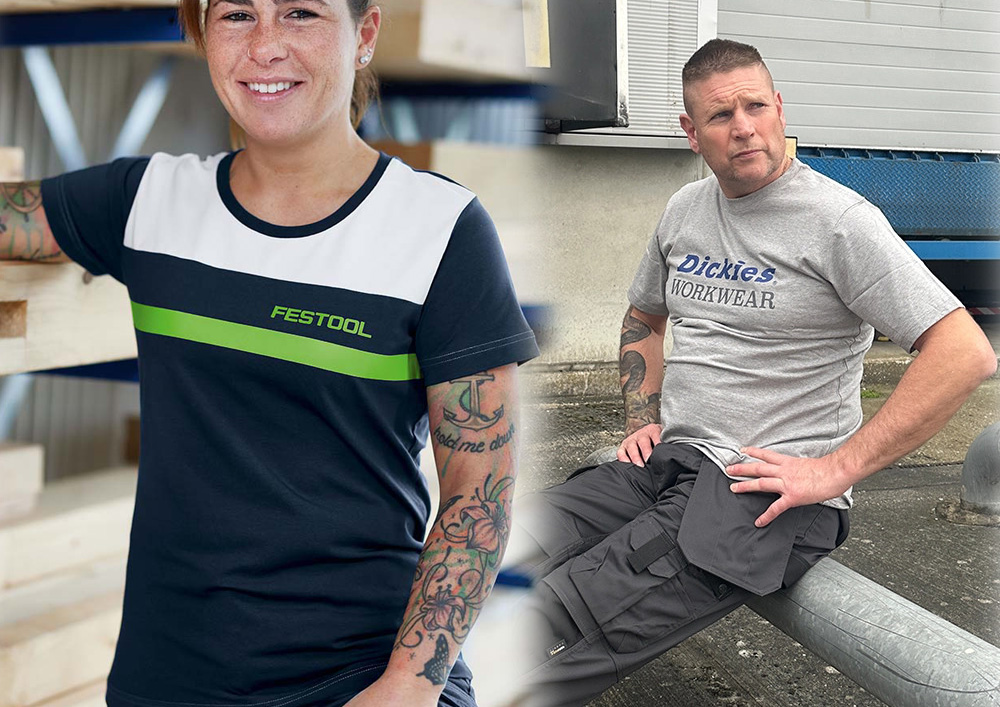
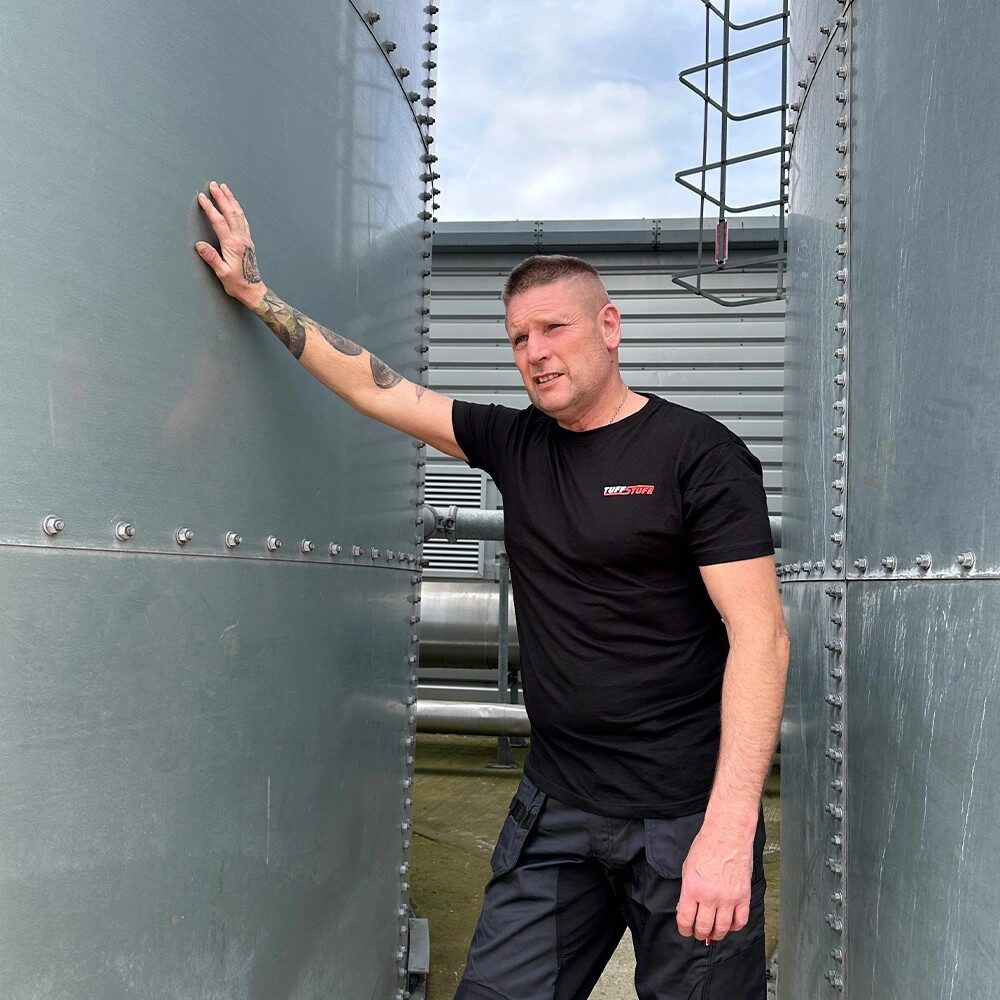
Work t-shirts are a summer site essential because they give you a cooler, lighter and more comfortable option than heavy layers or thick workwear tops.
When the temperature rises, the last thing you want is clothing that feels heavy, sticky or restrictive.
A good work t-shirt is designed to handle long days on site, regular movement, repeated washing and tough working conditions while still keeping you comfortable.
Unlike a standard everyday t-shirt, many work t-shirts are made with breathable fabrics, moisture wicking materials and quick drying properties.
This helps draw sweat away from your skin, improve airflow and reduce that uncomfortable damp feeling during hot weather.
Whether you prefer a plain work t-shirt, a branded trade t-shirt or a smarter work polo shirt, choosing the right top can make a noticeable difference to how comfortable you feel throughout the day.
Why It’s Great for Summer Site Work
A lightweight work t-shirt is one of the simplest upgrades you can make for summer site work.
Hot weather can make long days feel harder, especially when you are lifting, drilling, cutting, carrying materials or working in areas with poor airflow.
The right t-shirt helps keep your upper body cooler by allowing heat and moisture to escape more easily.
This is especially useful for tradesmen who are constantly on the move.
Stretch, fit and fabric choice all matter.
A good work t-shirt should let you bend, reach, kneel and move freely without pulling across the shoulders or riding up while you work.
Moisture wicking options are particularly useful because they help move sweat away from the body, keeping you feeling drier and more comfortable.
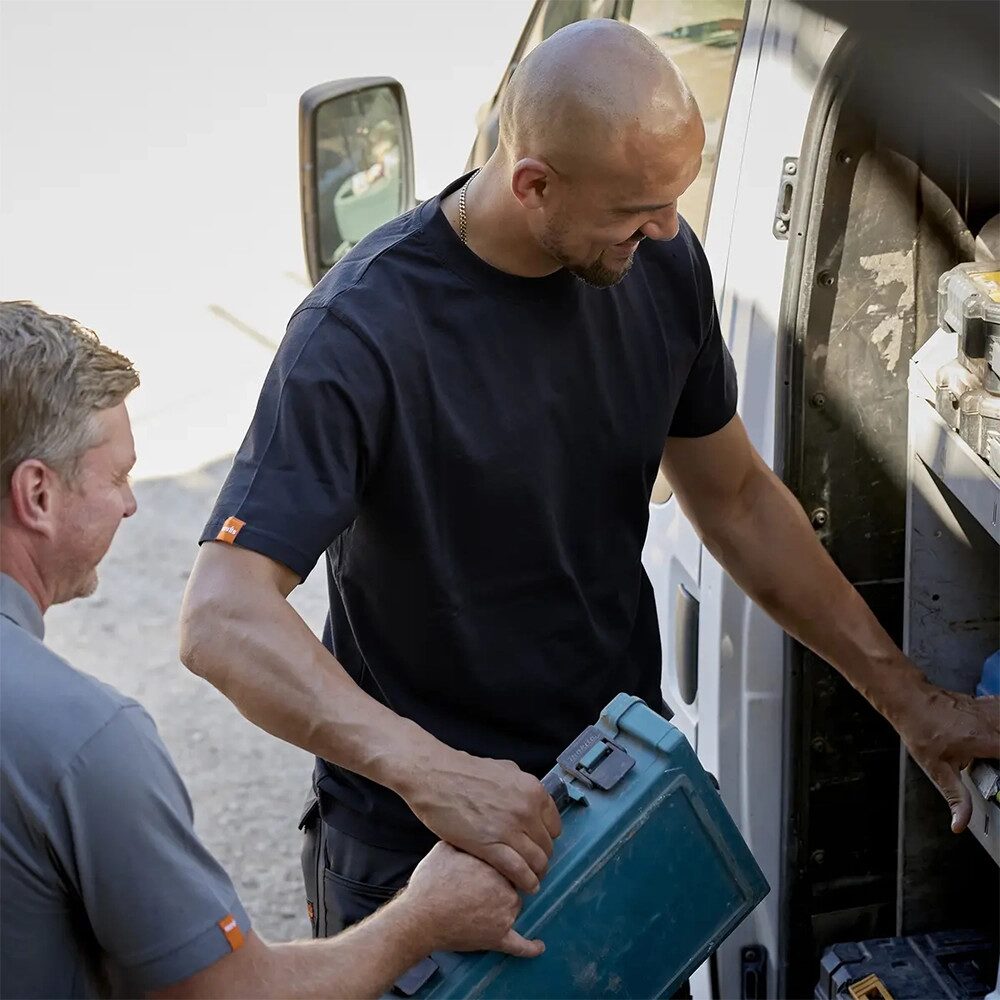
Work polo shirts can also be a good choice when you want something slightly smarter for customer facing jobs, maintenance work or site visits.
The main thing is choosing a top that is built for work rather than just casual wear.
It needs to be comfortable enough for hot days, durable enough for site use and practical enough to handle the demands of the trade.
FREQUENTLY ASKED QUESTIONS
What is the best t-shirt material for working in hot weather?
The best t-shirt material for hot weather is usually lightweight, breathable and quick drying. Cotton can feel comfortable at first, but it can hold moisture once you start sweating. Moisture wicking polyester or blended fabrics are often better for site work because they dry faster, move sweat away from the skin and help you stay more comfortable through the day.
Are work t-shirts better than normal t-shirts?
Yes, work t-shirts are usually better for site use than normal casual t-shirts. They are often made with tougher stitching, more durable fabrics and a fit that allows better movement. Some also include moisture wicking technology, breathable panels or stretch materials, making them more practical for tradesmen working in warm conditions.
Should tradesmen wear polo shirts or t-shirts in summer?
Both can work well, depending on the job. T-shirts are usually the cooler and more relaxed option for general site work, while polo shirts can be better for customer facing jobs where you want to look smarter. For summer, the most important thing is choosing a breathable, lightweight top that allows good movement and does not trap heat.
Key Takeaway
A good work t-shirt helps tradesmen stay cooler, drier and more comfortable during summer site work while still offering the durability needed for daily trade use.
SHOP T-SHIRTSShorts
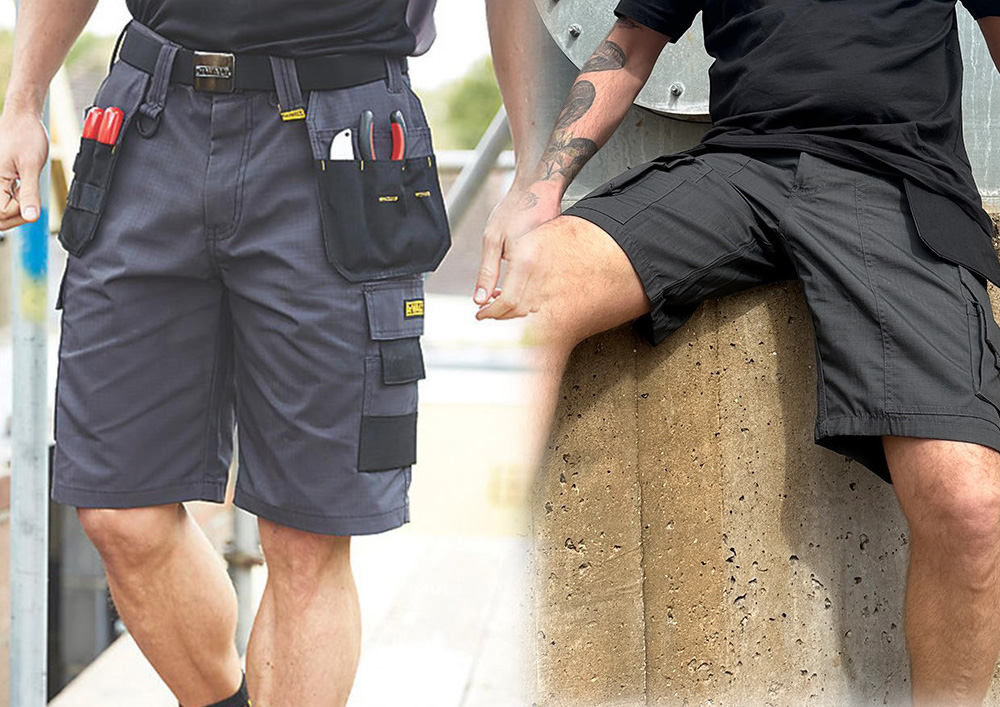
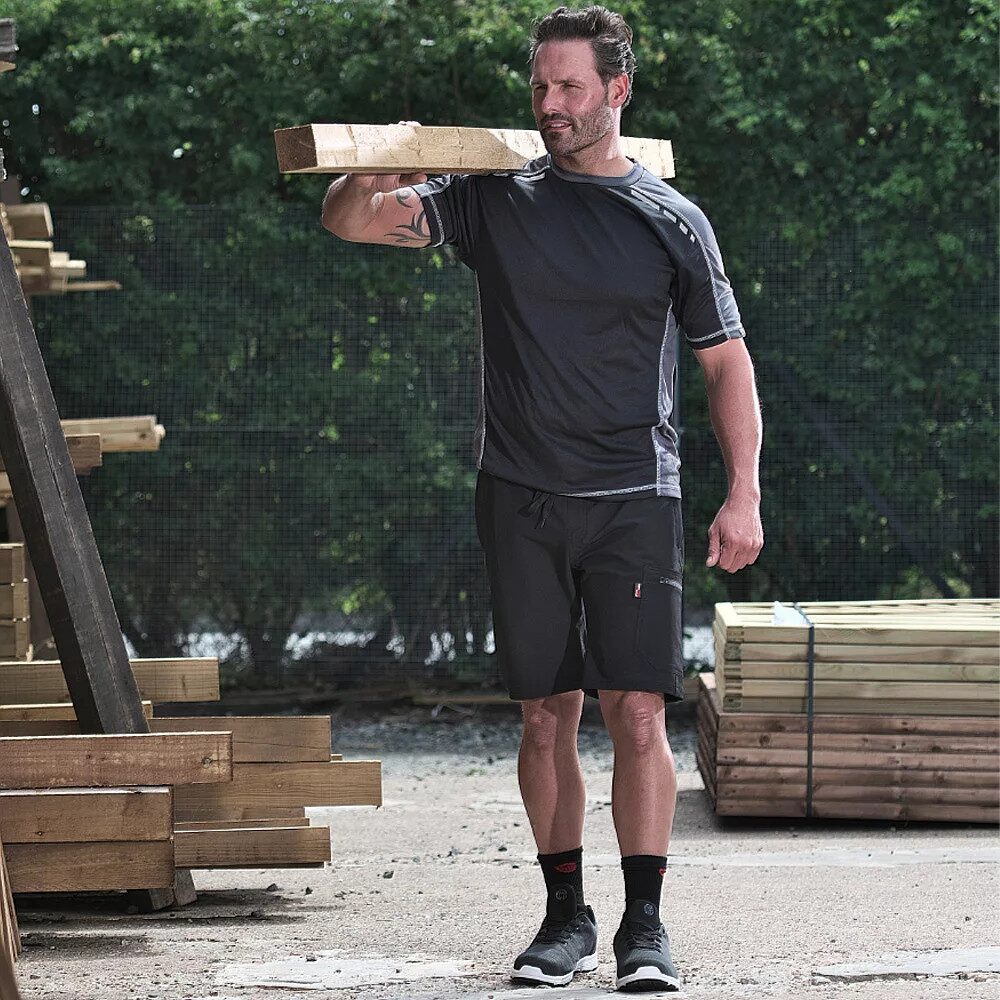
Work shorts are one of the most practical summer upgrades for tradesmen who want to stay cooler without losing the storage and durability they rely on from work trousers.
When the weather gets hot, heavy trousers can quickly become uncomfortable, especially during physical jobs, outdoor work or long days moving around site.
Work shorts give you better airflow around the legs while still offering useful pockets for everyday essentials like tape measures, pencils, screws, nails, knives and small hand tools.
Unlike casual shorts, trade work shorts are designed for site use.
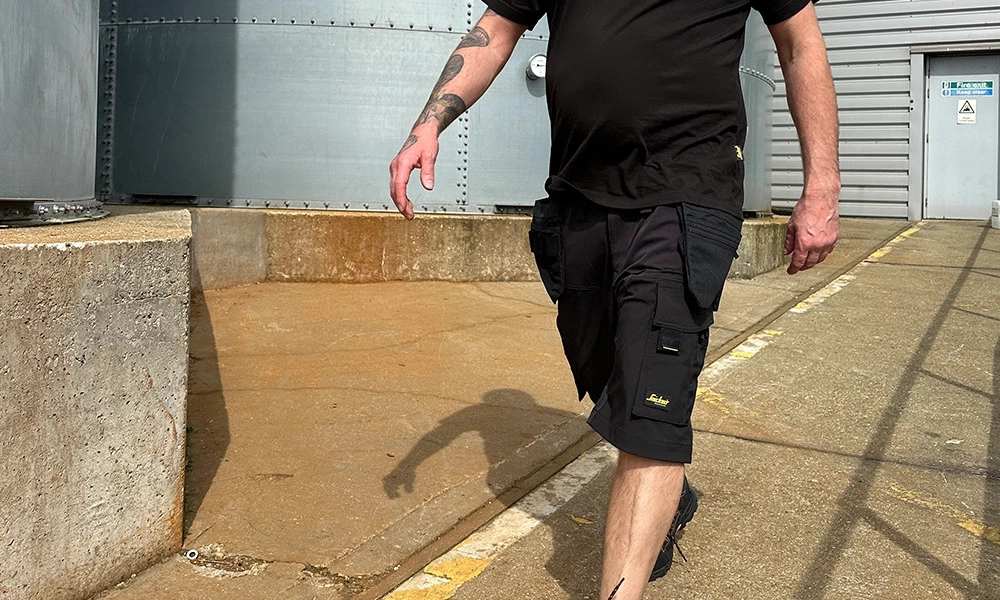
They are usually made from tougher fabrics, include reinforced stitching, and often feature cargo pockets, holster pockets, ruler pockets or tool loops.
That means you get the comfort of shorts with the practicality of proper workwear.
Why It’s Great for Summer Site Work
Your lower body can get just as uncomfortable as your upper body in warm weather.
Thick trouser legs can trap heat, hold sweat and make movement feel harder as the day goes on.
Work shorts help solve that problem by giving your legs more ventilation, which can make a noticeable difference when you are working outside, climbing ladders, kneeling, carrying materials or moving between jobs.
They are especially useful for tradesmen who spend summer working in gardens, extensions, workshops, warehouses, dry indoor spaces or outdoor areas where full length trousers are not required.
The key benefit is comfort without giving up practicality.
You still have access to the pockets and storage you would expect from work trousers, but with a cooler and less restrictive fit.
That makes them a strong choice for joiners, decorators, electricians, landscapers, installers and general tradesmen during hot weather.
The main thing is to check what is suitable for your job and site rules.
Some sites may require full length trousers for safety reasons, but where shorts are allowed, a proper pair of work shorts can make summer working far more comfortable.
frequently asked questions
Can tradesmen wear shorts on site?
Tradesmen can wear shorts on some sites, but it depends on the site rules, job type and risk assessment. For lower risk tasks, work shorts may be suitable in hot weather. However, some sites require full length trousers because of hazards such as sharp materials, sparks, chemicals, kneeling work or rough surfaces. Always check the site requirements before wearing shorts.
Are work shorts better than normal shorts?
Yes, work shorts are usually much better than normal casual shorts for trade use. They are designed with tougher fabrics, stronger stitching and practical storage for tools and fixings. Many also include reinforced pockets, hammer loops, ruler pockets or stretch panels, making them more suitable for daily site work than standard leisure shorts.
What should you look for in summer work shorts?
For summer work shorts, look for breathable fabric, a comfortable fit, strong pocket storage and good freedom of movement. Stretch materials can help with bending and kneeling, while reinforced pockets are useful if you carry tools throughout the day. A good pair should feel cool enough for summer but durable enough for real site conditions.
Key Takeaway
Work shorts are ideal for tradesmen who want cooler, more comfortable summer workwear while still keeping the storage, durability and practicality needed on site.
SHOP SHORTSCaps

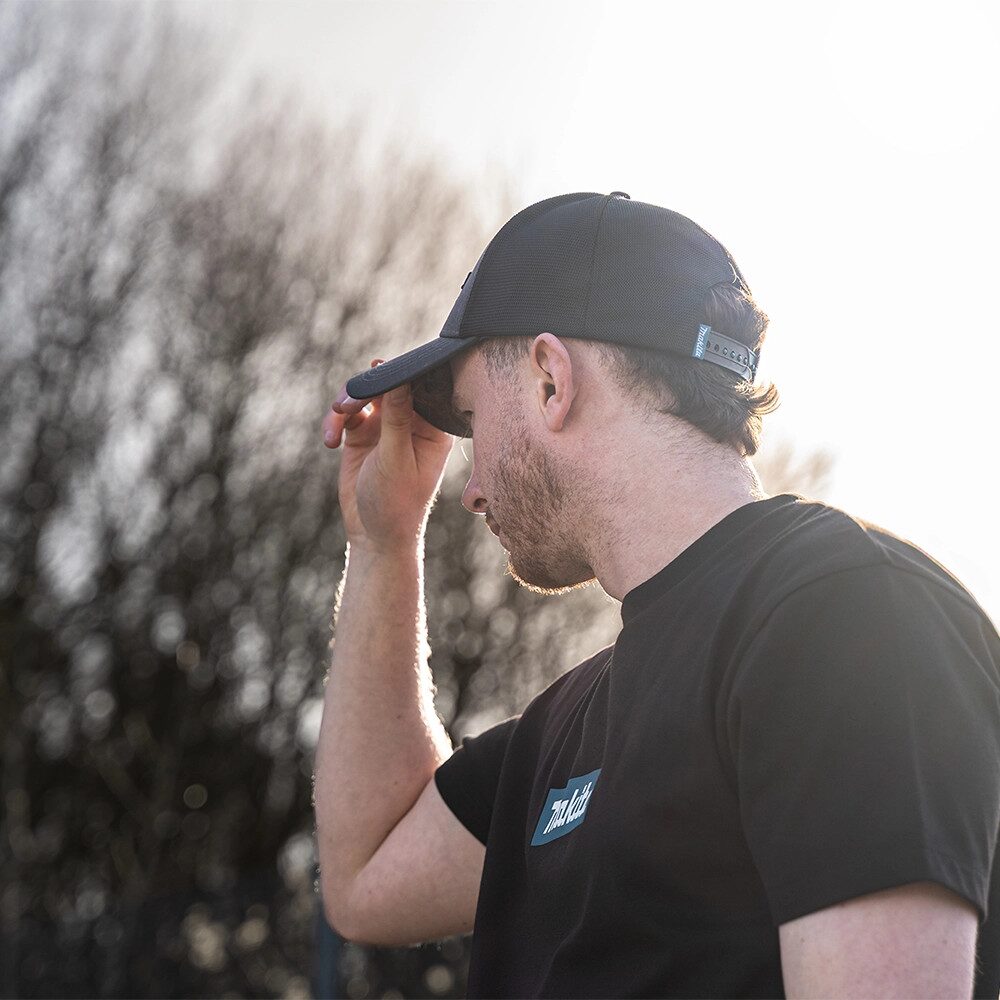
A cap might seem like a simple summer site essential, but it can make a big difference when you are working in bright sun or spending long hours outdoors.
For tradesmen working outside, a cap helps shade your face, reduce glare and protect the top of your head from direct sunlight.
That is especially useful if you have thinning hair, no hair, or simply spend most of the day exposed to the sun.
Many work caps are lightweight, comfortable and easy to keep in the van, tool bag or glove box.
Baseball style caps are popular because they are easy to wear, easy to adjust and practical for everyday site use.
Some also include mesh panels, sweatbands or breathable materials to help keep your head cooler during warm weather.
Why It’s Great for Summer Site Work
When you are working outside in summer, your head and face are some of the most exposed areas of your body.
A cap helps reduce direct sunlight on your forehead, scalp and eyes, making it easier to work comfortably through the day.
The brim is especially useful when you are cutting, drilling, measuring, driving or working with tools in bright conditions because it helps reduce glare and keeps the sun out of your eyes.
That can improve comfort and visibility, which matters when you are working with sharp tools, machinery or materials that need accurate handling.
A good cap can also help manage sweat.
Many work caps include an internal sweatband designed to absorb moisture before it runs into your eyes.
That might sound like a small detail, but on a hot day it can stop irritation, reduce distractions and help you stay focused on the job.
A cap is not a replacement for proper sun protection, but it is an easy and affordable way to improve comfort during summer site work.
Pair it with sun cream, suitable workwear and regular breaks for better protection in hot conditions.

FREQUENTLY ASKED QUESTIONS
Should tradesmen wear caps in summer?
Yes, caps are useful for tradesmen working in summer because they help shade the face, reduce glare and protect the scalp from direct sunlight. They are especially helpful for outdoor work, landscaping, roofing, groundworks, site maintenance and any job where you are exposed to the sun for long periods.
Do caps help stop sweat getting in your eyes?
Many caps include an internal sweatband that helps absorb sweat before it runs down your forehead. This can be useful when working in hot conditions, especially if you are cutting, drilling, lifting or using tools where clear vision matters. A breathable cap can also help improve comfort throughout the day.
Are caps enough for sun protection on site?
No, a cap helps, but it should not be your only sun protection. A cap mainly protects the top of your head, forehead and eyes. Your ears, neck and face can still be exposed, so it is important to use sun cream and consider extra protection if you are working outdoors for long periods.
Key Takeaway
A cap is a simple but useful summer site essential that helps reduce glare, manage sweat and protect your head from direct sunlight during outdoor work.
SHOP CAPSCoolboxes
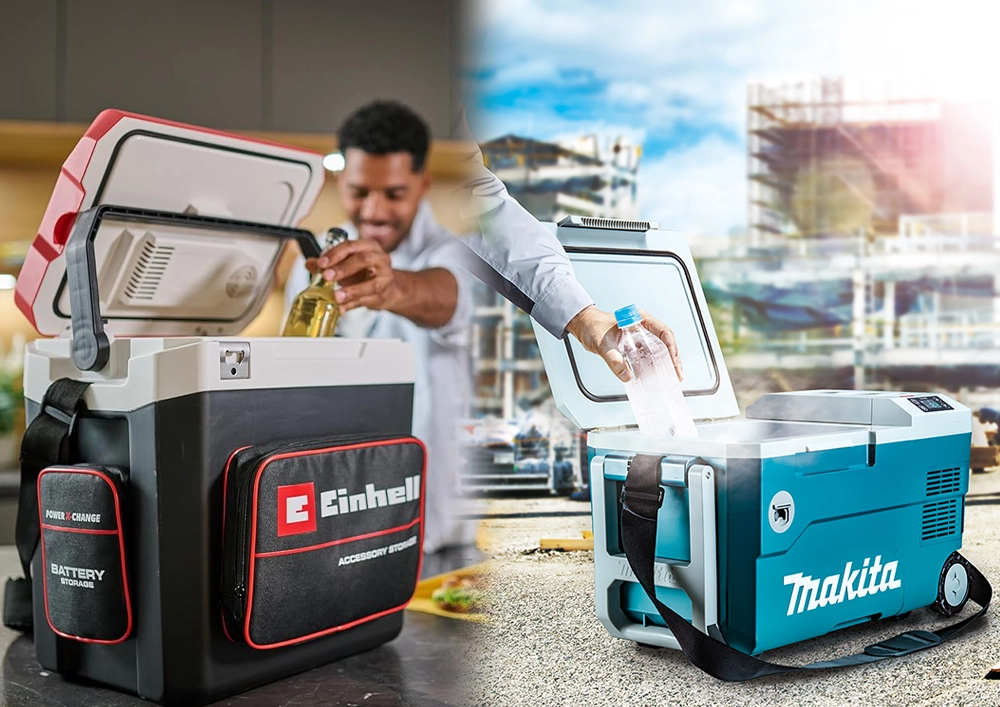
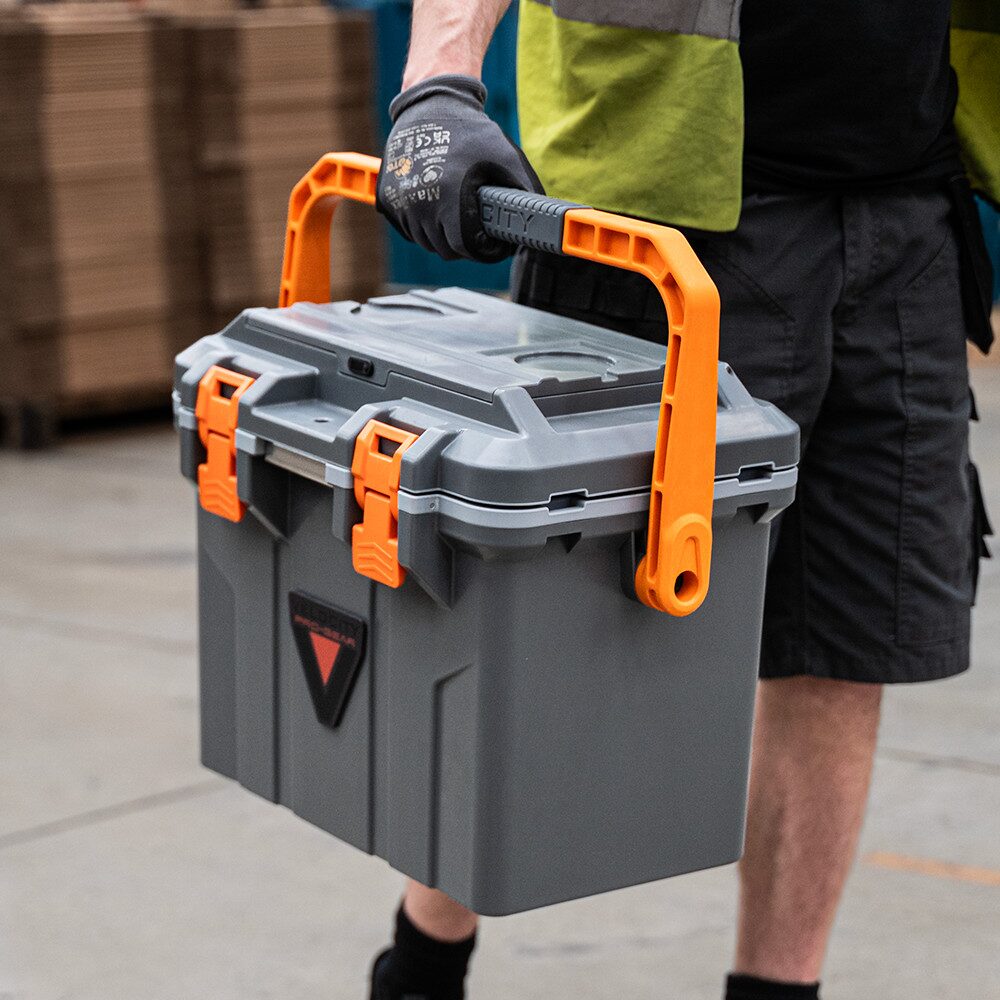
A coolbox is one of the most underrated summer site essentials, especially when you are spending full days away from a fridge, shop or proper break area.
Nothing feels better on a hot day than a cold drink, and a good coolbox helps keep water, lunch, snacks and chilled food fresher for longer while you are working.
For tradesmen, that can make a big difference to comfort, hydration and general energy levels throughout the day.
Coolboxes now come in a wide range of options, from simple insulated boxes to powered coolers that can run from mains power, vehicle sockets or compatible power tool batteries.
Some trade focused coolboxes can also connect with modular storage systems, making them easier to carry, stack and transport with the rest of your kit.
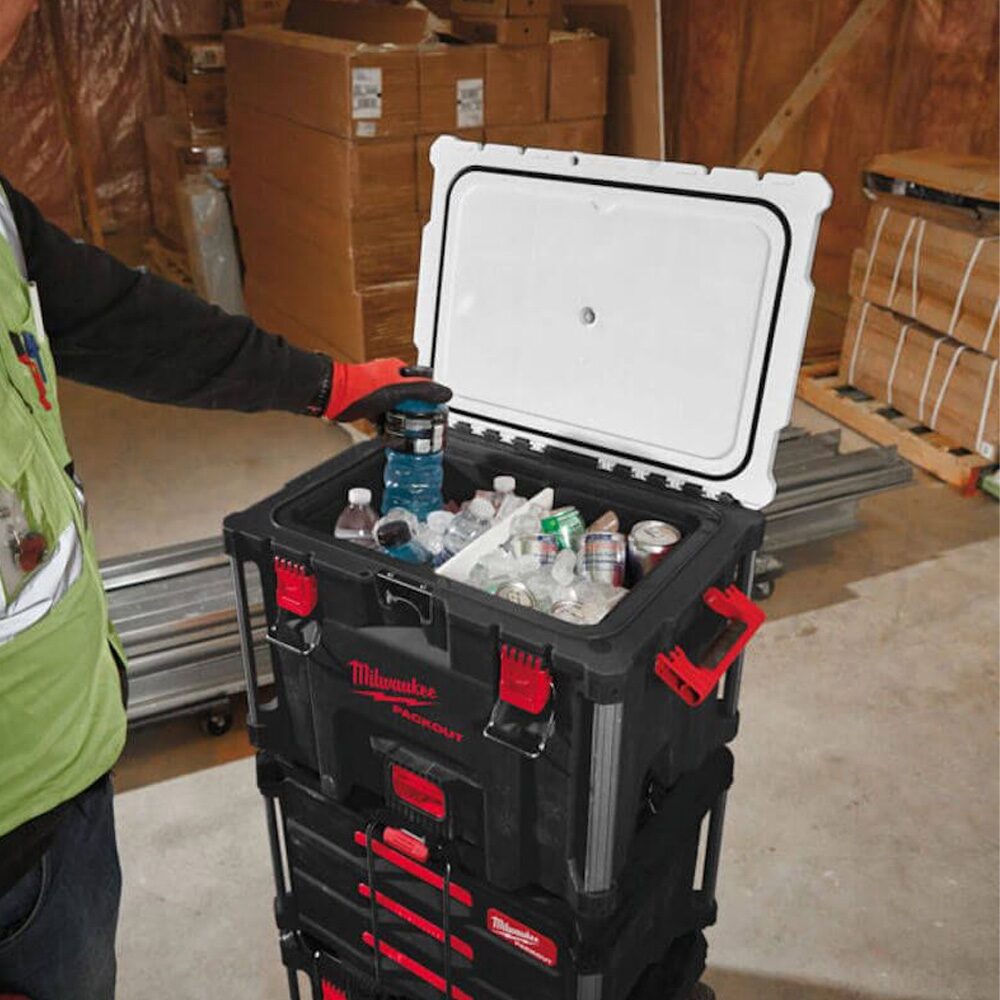
[IMAGE SPACE: Coolbox being used on site]
Why It’s Great for Summer Site Work
When you are working on site in summer, keeping drinks cold is not just a comfort thing.
It can help make hydration easier.
Warm water sitting in the van all day is not exactly appealing, and if you do not want to drink it, you are less likely to stay properly hydrated.
A coolbox gives you a better way to keep water, soft drinks and lunch cold, even when you are working outside or moving between jobs.
This is especially useful for landscapers, roofers, groundworkers, builders, decorators, installers and any tradesmen working away from a fixed kitchen or break room.
Powered coolboxes take this even further by actively cooling the contents rather than simply slowing down the warming process.
If you already use a compatible battery platform, a cordless coolbox can be a very useful addition to the van, especially for long days, remote jobs or summer work where cold drinks are a must.
Even a non powered coolbox can be a solid option when packed properly with ice blocks.
It keeps food fresher, drinks cooler and helps make your lunch break feel a lot better when the site temperature starts climbing.
frequently asked questions
Are coolboxes worth it for tradesmen?
Yes, coolboxes are worth it for tradesmen who work long days on site, especially during summer. They help keep drinks cold, food fresher and lunch more enjoyable when there is no fridge available. For anyone working outdoors, in vans, on remote jobs or away from proper break facilities, a coolbox is a practical bit of summer kit.
How long does a coolbox keep drinks cold?
How long a coolbox keeps drinks cold depends on the model, insulation, outside temperature and how often it is opened. A well packed insulated coolbox with ice blocks can keep drinks cold for several hours. Powered coolboxes can keep contents cool for much longer as long as they have a suitable power source. For best results, chill drinks before loading them and keep the lid closed as much as possible.
What is the difference between a powered coolbox and a normal coolbox?
A normal coolbox uses insulation to slow down heat transfer, usually with ice blocks or frozen packs inside. A powered coolbox actively cools the contents using mains power, vehicle power or compatible batteries. Normal coolboxes are simple and reliable, while powered coolboxes are better for longer days, regular use and keeping items colder for extended periods.
Key Takeaway
A coolbox is ideal for tradesmen who want cold drinks, fresher food and better comfort during long summer days on site.
For regular use, a powered coolbox is a serious upgrade.
SHOP COOLBOXESAir Conditioning
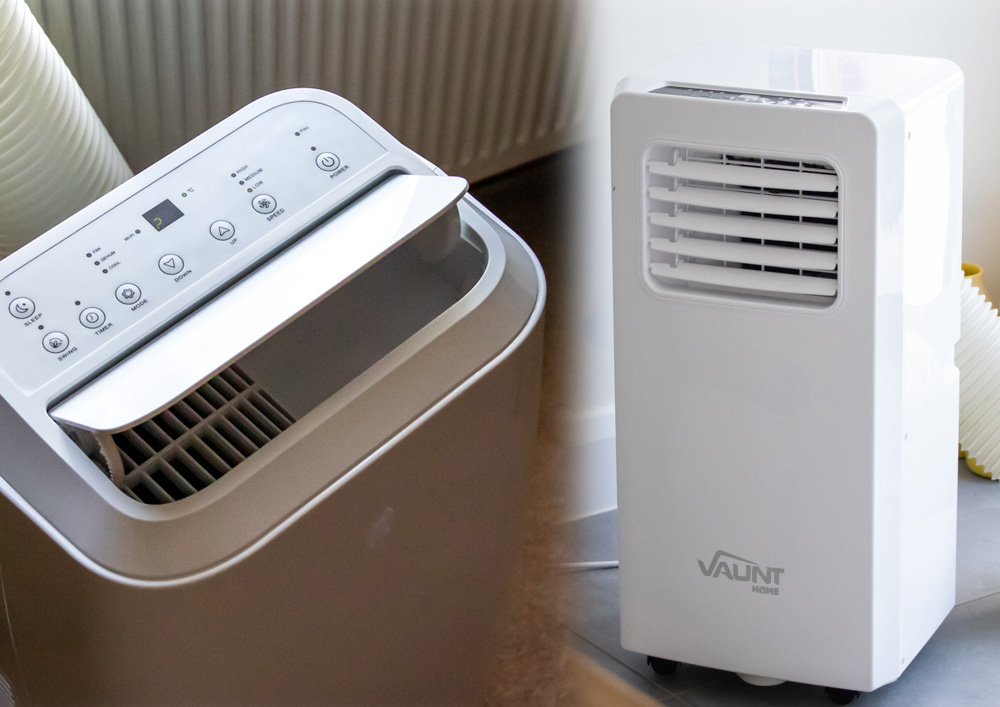
Portable air conditioning units are a strong choice when a fan is not enough to keep a working area comfortable.
They are especially useful in enclosed rooms, offices, workshops, temporary work areas, cabins, garages and smaller spaces where air can quickly become hot, still and uncomfortable.
Unlike a fan, which moves air around, an air conditioning unit actively cools the room.
That makes it a better option when you need to bring the temperature down properly rather than simply create airflow.
For tradesmen working indoors during summer, this can make a big difference to comfort, concentration and productivity.
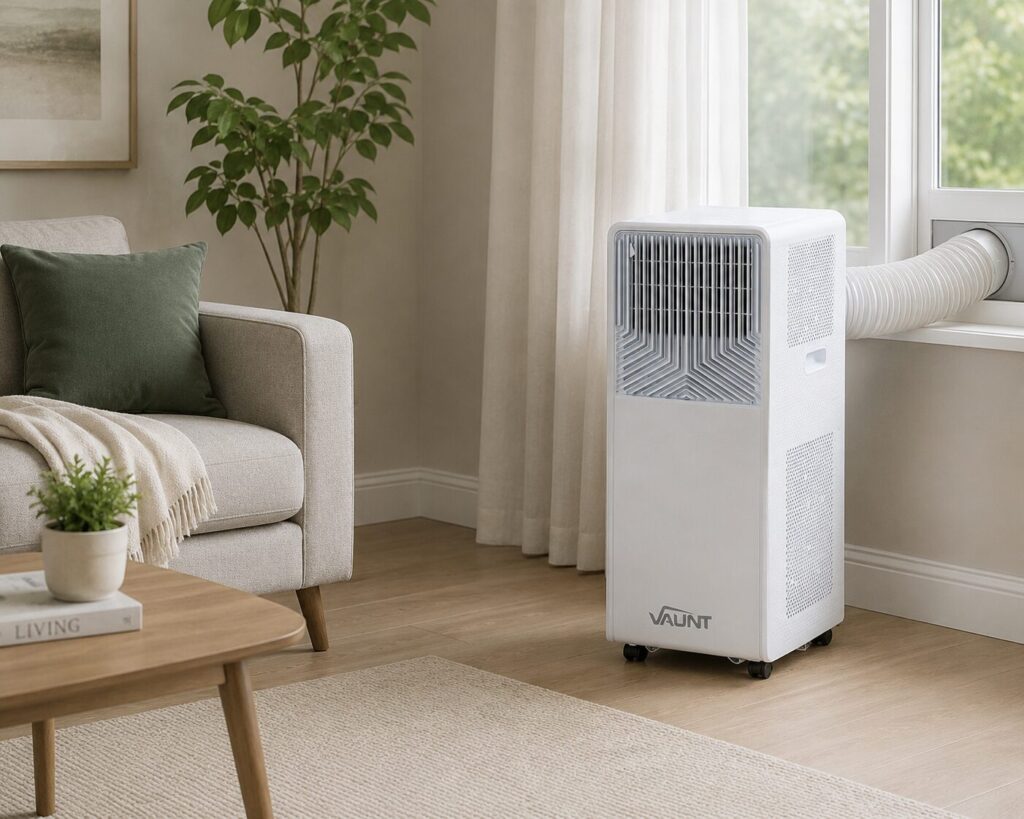
Portable air conditioners are also useful because they do not require permanent installation.
They can be moved into position when needed, set up with an exhaust hose, and used to cool the space while work is taking place.
Why It’s Great for Summer Site Work
Some summer working environments become uncomfortable very quickly, especially small rooms, site offices, loft rooms, workshops and enclosed spaces with poor ventilation.
In these situations, a fan can help move air, but it may not be enough if the room itself is already too hot.
A portable air conditioning unit gives you proper cooling by helping reduce the air temperature in the space.
That can make work feel less draining and help create a more comfortable environment for you, your team or even customers while a job is being completed.
This is particularly useful for decorators, electricians, maintenance teams, office fit out workers, installers and anyone working indoors during hot weather.
It can also be helpful after plastering, painting or general room preparation where the space needs to stay comfortable while work continues.
Comfort matters more than people think.
When a room is too hot, it can affect focus, energy levels and the pace of work.
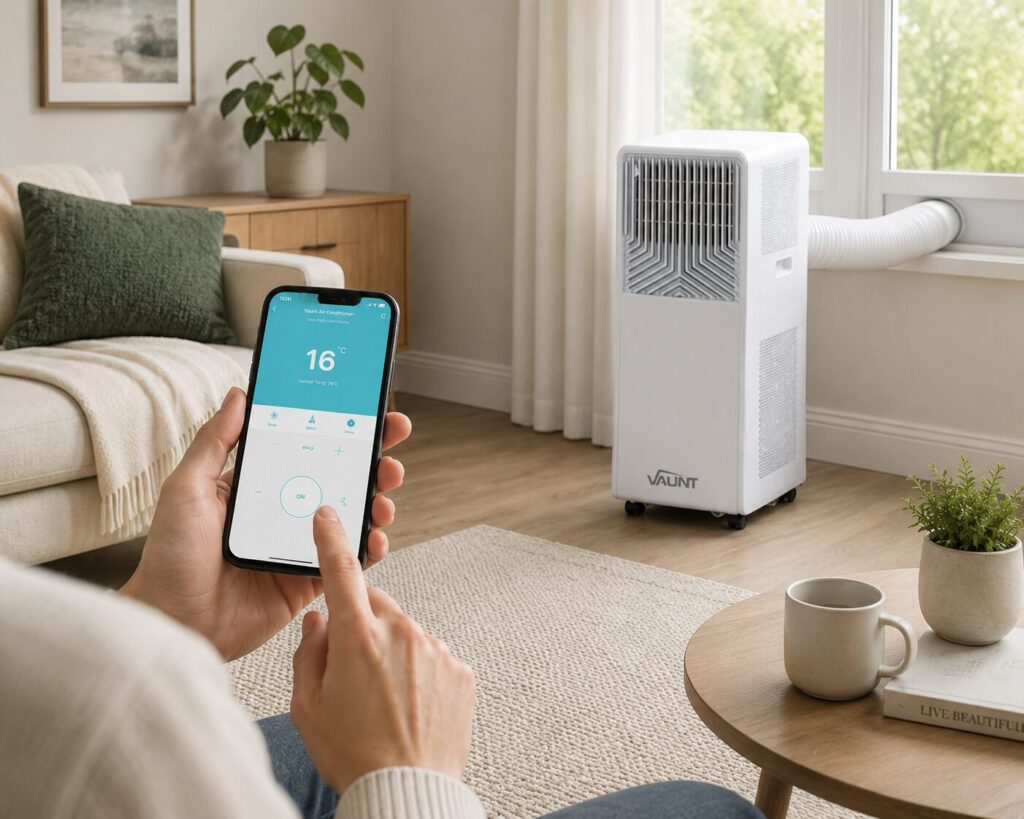
By cooling the room properly, a portable air conditioner can help make long summer days feel more manageable, especially when there is little natural airflow.
frequently asked questions
Is portable air conditioning better than a fan?
Portable air conditioning is better than a fan when you need to cool the actual room temperature. A fan moves air around and helps you feel cooler, but it does not reduce the temperature of the space. An air conditioning unit actively cools the air, making it more suitable for enclosed rooms, site offices, workshops and areas with poor ventilation.
Can portable air conditioning be used on site?
Yes, portable air conditioning can be used on site where there is suitable power, safe positioning and somewhere for the exhaust hose to vent warm air. It is best suited to indoor spaces such as offices, cabins, workshops, garages and enclosed rooms. It is not usually the right choice for open outdoor areas, where a fan or shaded setup will normally be more practical.
Do portable air conditioners need to be vented?
Yes, most portable air conditioners need to be vented because they remove warm air from the room and push it outside through an exhaust hose. This hose is usually placed through a window, door gap or suitable venting point. Without proper venting, the unit will not cool the space effectively because the warm air will remain in the room.
Key Takeaway
Portable air conditioning is ideal for tradesmen working in enclosed indoor spaces where fans are not enough and proper room cooling is needed.
SHOP AIR CONGazebos
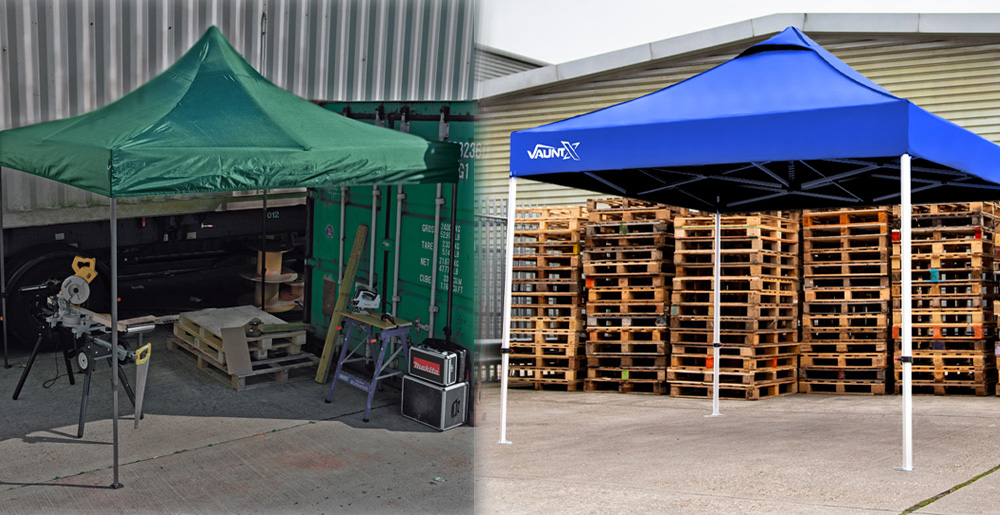
A gazebo is one of the best summer site products for tradesmen working outdoors, especially when there is little or no natural shade.
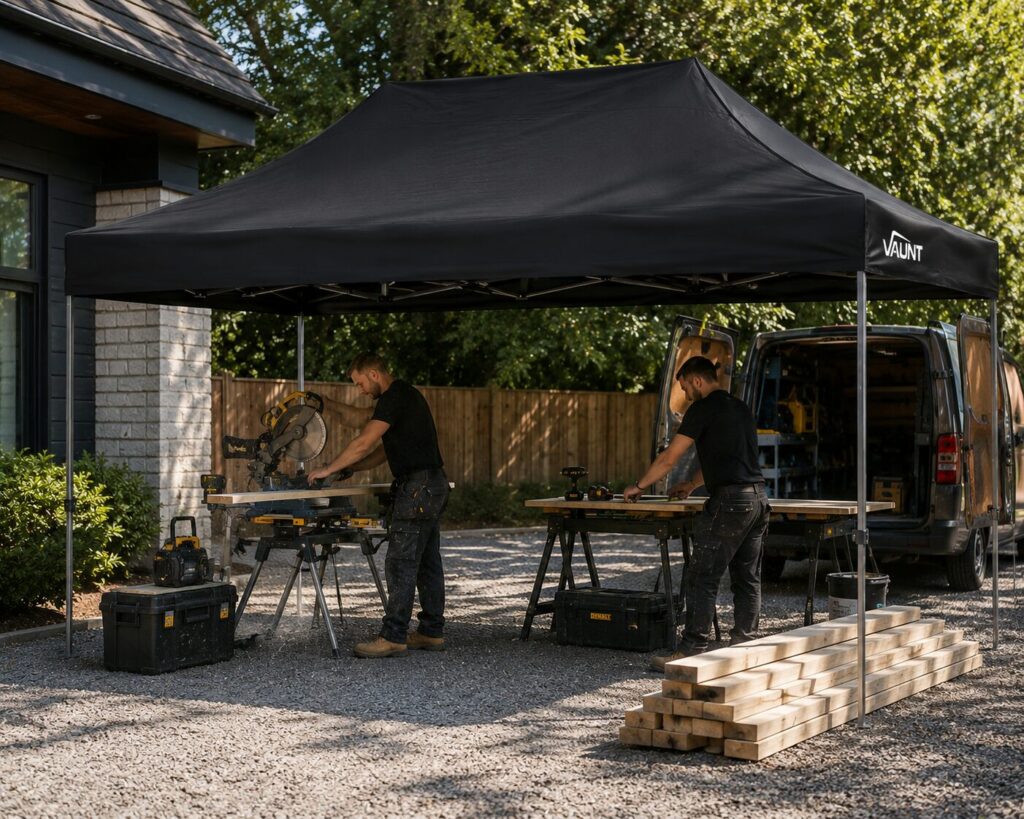
Whether you are working at a private residence, in a yard, on a driveway, in a garden or outside a unit, a pop up gazebo gives you a practical covered area for working, cutting, setting up tools or taking a break out of direct sun.
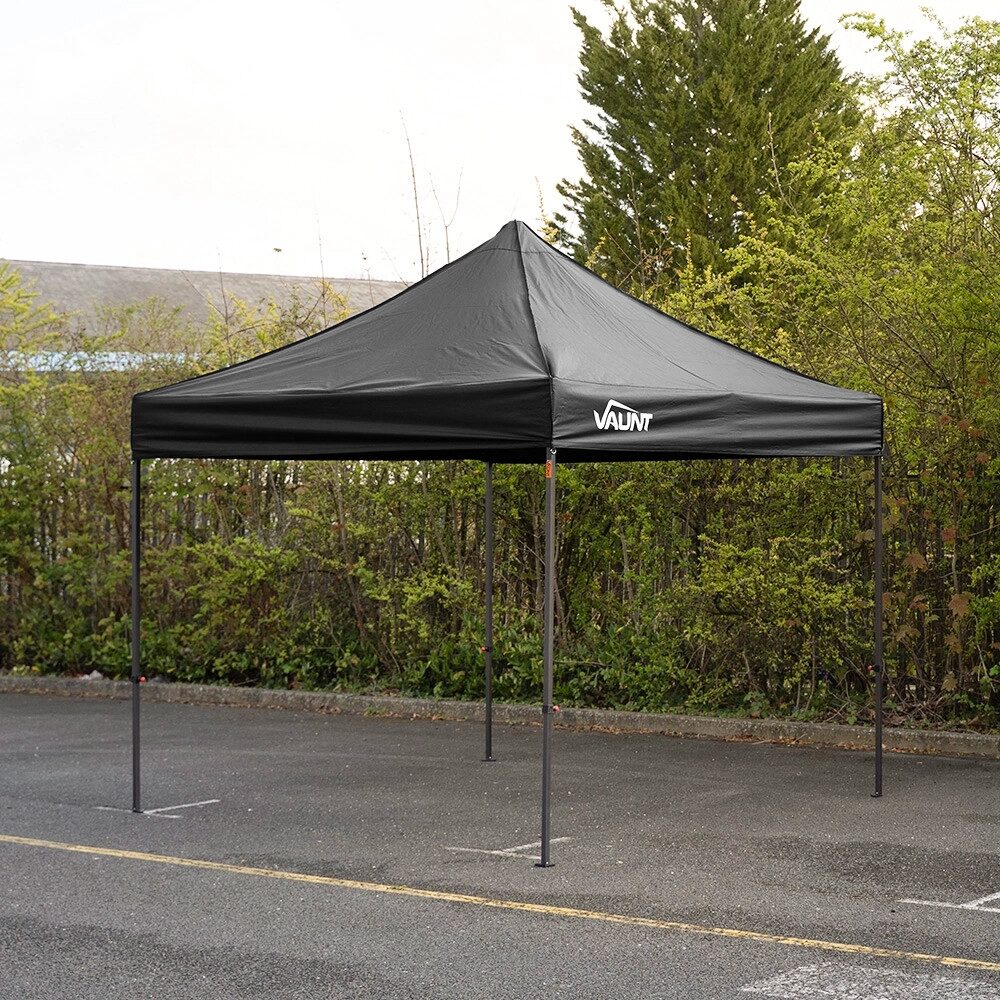
Vaunt gazebos are available in a wide range of sizes, from compact 2m x 2m options through to larger 9m x 3m setups, giving you plenty of choice depending on your space, budget and job type.
They can also help protect tools, materials and work areas from sudden showers, which is always useful when working in the UK.
Why It’s Great for Summer Site Work
Working outside in summer can be uncomfortable and tiring, especially when you are exposed to direct sunlight for long periods.
A gazebo gives you a controlled shaded area where you can work more comfortably, keep tools cooler and protect materials from sitting in the sun.
That is particularly useful for jobs where precision matters, such as cutting, measuring, assembling, decorating, detailing or setting up equipment.
Shade can also make breaks more effective.
Instead of sitting in the van or standing in direct sunlight, a gazebo gives you a cooler spot to drink water, eat lunch and recover between tasks.
For tradesmen working on driveways, patios, gardens, yards or temporary outdoor setups, that can make a long summer day feel much more manageable.
A gazebo is also useful beyond hot weather.
With side panels and lighting options available, it can become part of a more flexible outdoor setup, helping protect against light rain, wind and changing site conditions.
For anyone who regularly works outside, it is more than just a summer comfort item.
It can become an essential part of the job setup.
frequently asked questions
Are gazebos useful for site work?
Yes, gazebos are very useful for site work when you need shade, weather protection or a temporary covered workspace. They are especially helpful for outdoor jobs such as landscaping, driveway work, garden projects, cutting stations, decorating prep, storage areas and temporary work zones. They can also help protect tools and materials from direct sun or light rain.
What size gazebo is best for tradesmen?
The best gazebo size depends on the job and how much space you have available. A compact 2m x 2m gazebo is useful for small work areas or quick shade, while larger options such as 3m x 3m or above give you more room for tools, materials and working space. For bigger outdoor setups, larger gazebos can create a more practical covered work zone.
Can a gazebo protect tools and materials from the weather?
Yes, a gazebo can help protect tools and materials from direct sunlight and light rain. This is useful when you need to keep power tools, batteries, timber, fixings or work surfaces out of harsh sun or sudden showers. For stronger weather protection, side panels can help create a more enclosed setup, but gazebos should always be secured properly and used sensibly in windy conditions.
Key Takeaway
A gazebo is ideal for tradesmen who regularly work outdoors and need shade, weather protection and a practical covered area for tools, materials or break times.
SHOP GAZEBOSTrainers
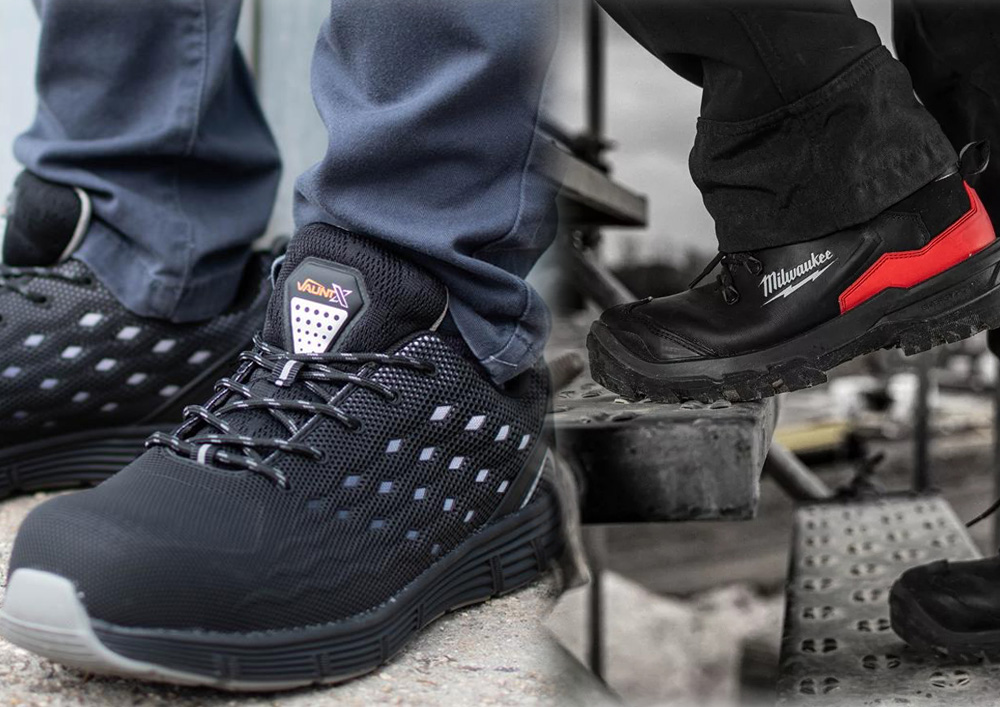
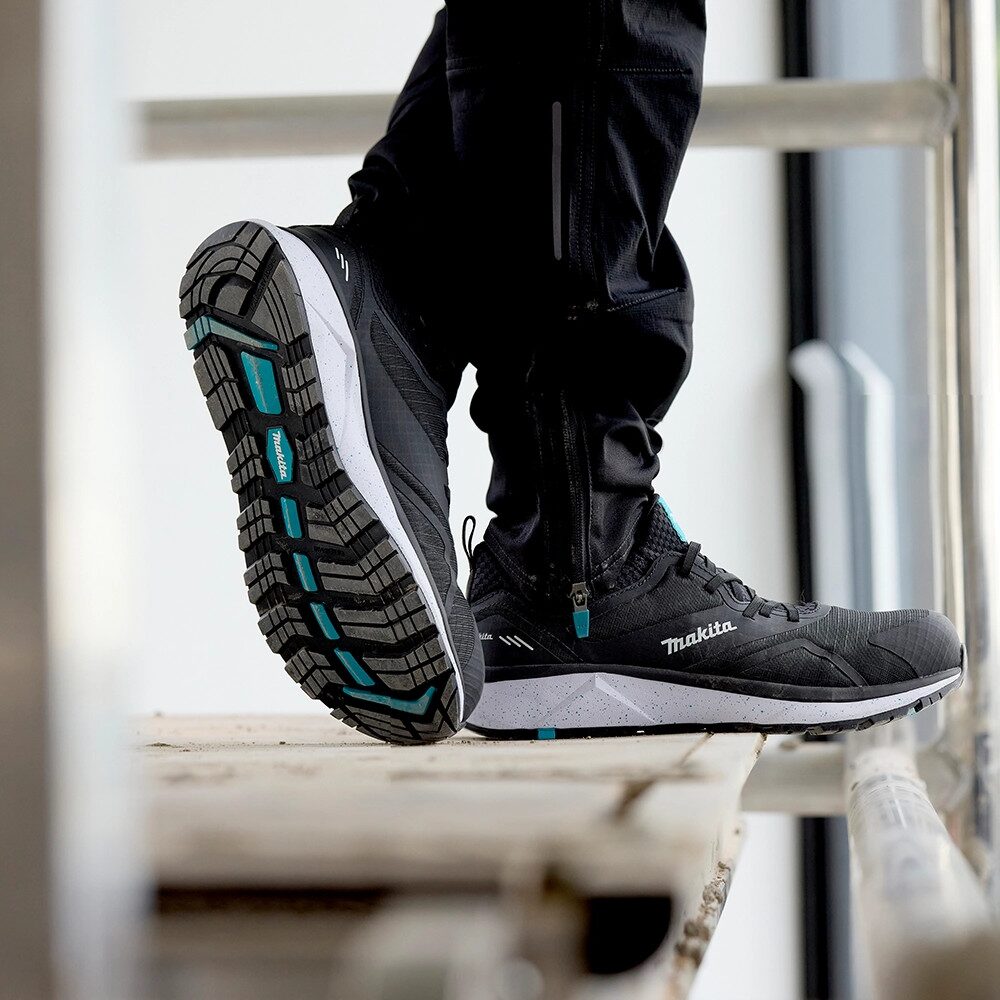
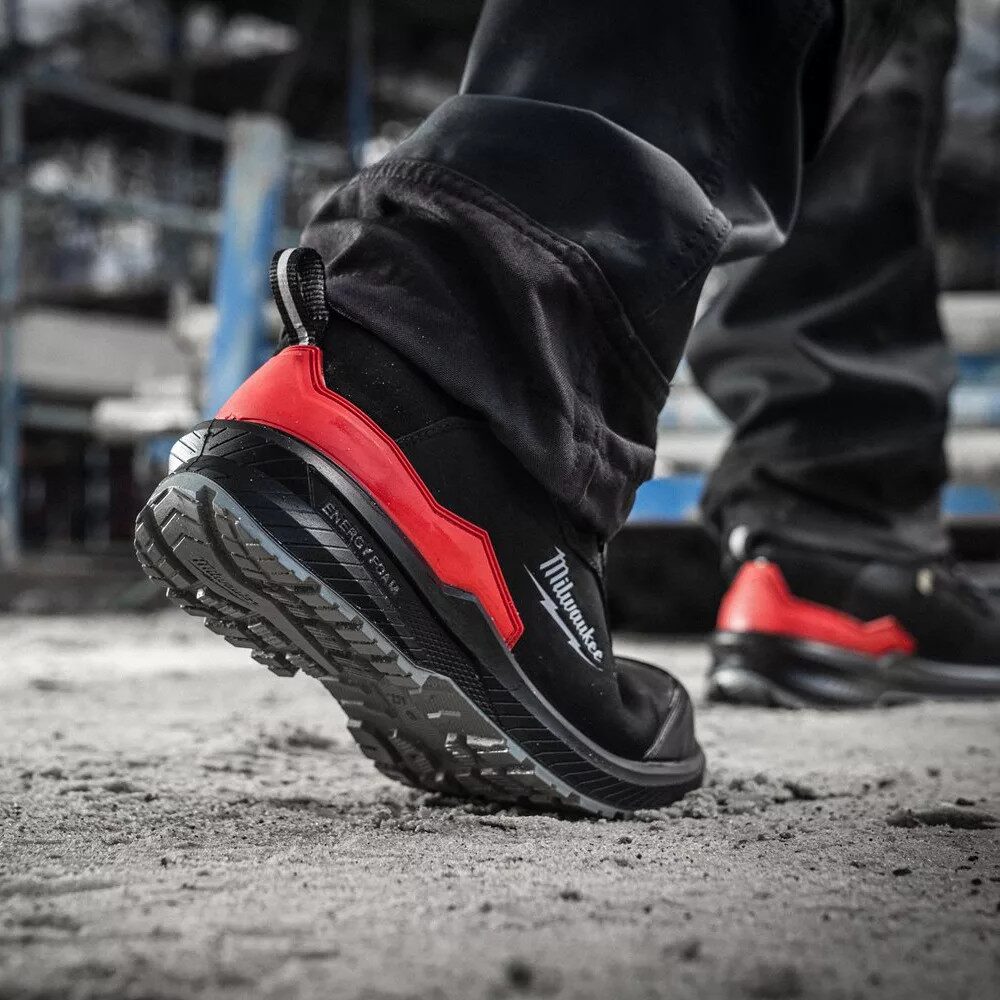
Safety trainers are a great summer alternative to traditional safety boots when you still need proper foot protection but want something lighter, cooler and easier to wear all day.
They are designed to offer the safety features required for site work while giving you the comfort and flexibility of a trainer style fit.
Many safety trainers include protective toe caps, slip resistant soles, cushioned midsoles and durable uppers, making them suitable for a wide range of trade jobs.
The main benefit in summer is comfort.
Safety trainers are often lighter and more breathable than heavy work boots, which can help reduce hot, tired feet during long days on site.
For tradesmen who are constantly moving, driving, walking between jobs or working indoors, they can be a much more comfortable option.
Why It’s Great for Summer Site Work
Hot feet can make a long working day feel even longer.
Traditional safety boots are essential for many jobs, but in warm weather they can feel heavy, restrictive and uncomfortable, especially if you are working indoors, walking all day or moving between different sites.
Safety trainers help solve this by giving you a lighter and more breathable option while still providing important protection.
They are especially useful for electricians, decorators, installers, warehouse workers, maintenance teams, joiners and tradesmen who need safety footwear but do not always need the extra height or support of a boot.
The trainer style fit can make walking, kneeling, climbing in and out of vans, and moving around site feel easier.
Many modern safety trainers are designed with cushioned soles and flexible materials, helping reduce fatigue over the course of the day.
They are also a good choice for customer facing work where you want footwear that looks smarter and less bulky than traditional boots.
The key is choosing the right safety rating for your job.
Not every site will allow trainers, and some tasks still require full safety boots, but where safety trainers are suitable, they can be one of the best ways to keep your feet cooler and more comfortable in summer.
FREQUENTLY ASKED QUESTIONS
Are safety trainers allowed on site?
Safety trainers are allowed on some sites, but it depends on the site rules, risk assessment and the safety rating of the footwear. Some workplaces accept safety trainers if they meet the required protection level, while others may require full safety boots. Always check the site requirements before choosing trainers over boots.
Are safety trainers as protective as safety boots?
Safety trainers can offer strong protection, including toe protection, slip resistance and puncture resistant midsoles, depending on the model. However, they usually do not provide the same ankle coverage as safety boots. For lighter site work, indoor jobs and general trade use, they can be suitable, but higher risk tasks may still need proper safety boots.
Are safety trainers better for summer?
Yes, safety trainers are often better for summer because they are usually lighter, more breathable and less bulky than traditional work boots. This can help reduce heat build up around the feet and make long days more comfortable. They are a good option for tradesmen who want cooler footwear without giving up essential safety features.
Key Takeaway
Safety trainers are ideal for tradesmen who want lighter, cooler and more comfortable summer footwear while still keeping essential foot protection for suitable site work.
SHOP TRAINERSSafety Glasses
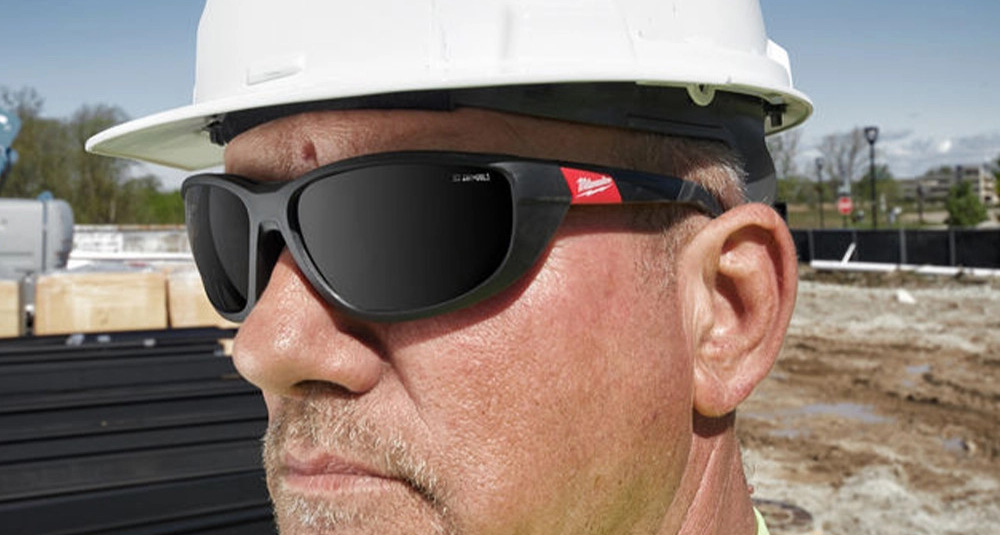
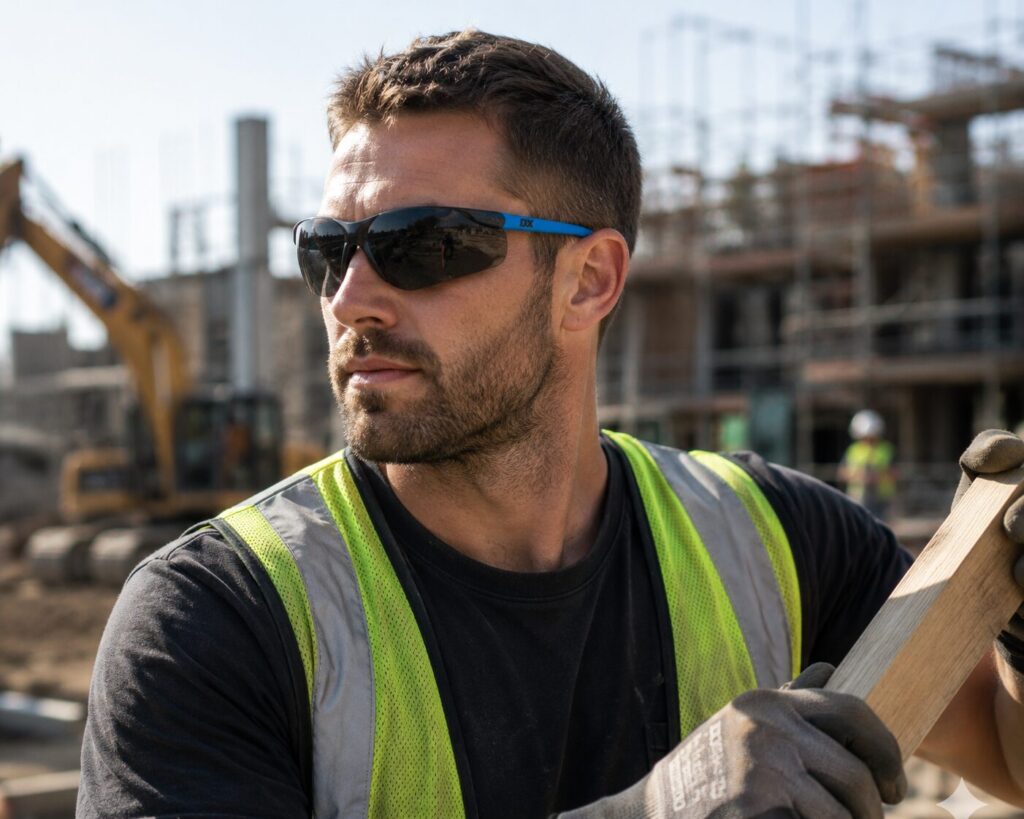
Safety glasses are essential on site all year round, but they become even more useful in summer when bright sunlight, glare and airborne dust can make outdoor work uncomfortable.
Tinted, smoked or polarised safety glasses give you the eye protection needed for trade work while also helping reduce brightness when working outside for long periods.
Unlike standard sunglasses, safety glasses are designed for working environments.
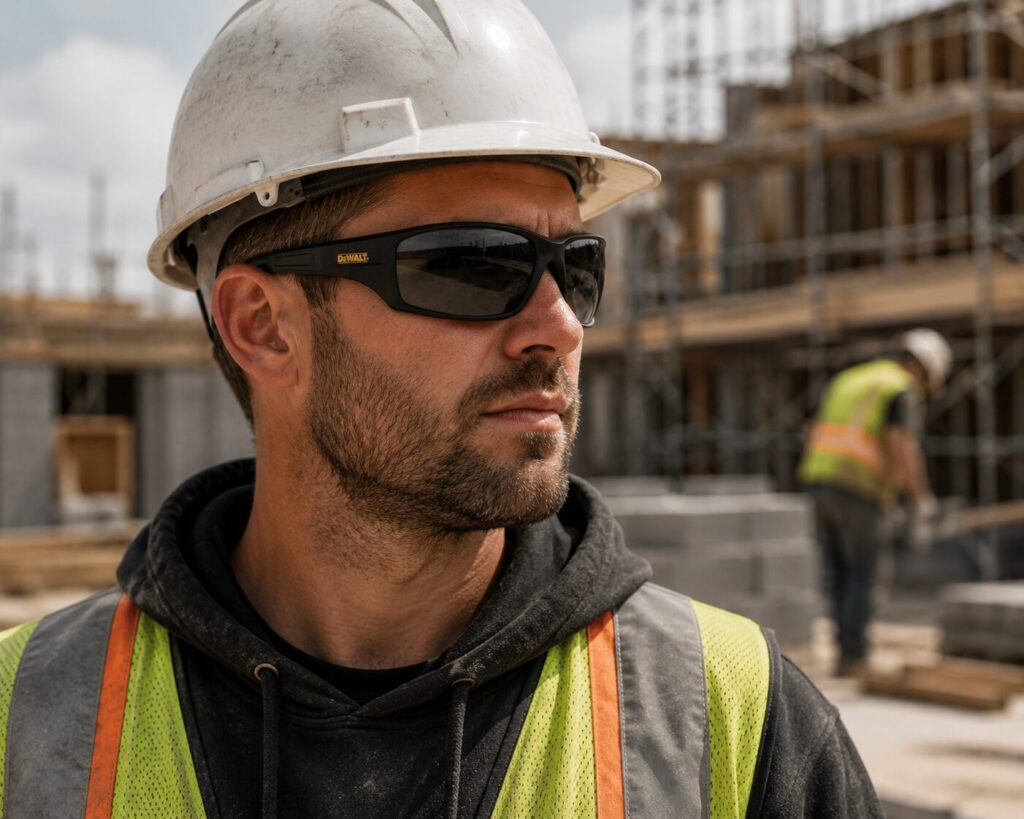
They often include impact resistant lenses, lightweight frames, non slip temple grips, soft nose pieces and wraparound coverage to help protect your eyes from flying debris, dust and general site hazards.
For tradesmen working outdoors, they give you the comfort of sunglasses with the added protection needed for site use.
Why It’s Great for Summer Site Work
Bright sunlight can make accurate work harder, especially when you are cutting, measuring, drilling, fixing, driving or working around reflective surfaces.
Tinted safety glasses help reduce glare and eye strain while still giving you the protection required for site conditions.
That makes them particularly useful for roofers, landscapers, groundworkers, builders, carpenters, scaffolders and anyone regularly working outside in summer.
They also help protect against dust, wind and flying particles.
On hot, dry days, dust can be kicked up easily by cutting, sanding, sweeping, drilling or general site movement.
A good pair of safety glasses helps keep your eyes covered so you can work more comfortably and safely.
Comfort is important too.
If safety glasses are heavy, awkward or uncomfortable, people are less likely to wear them properly.
Lightweight frames, soft nose pads and secure grips make a big difference when you are wearing them for long periods.
For summer site work, tinted safety glasses are a simple upgrade that helps protect your eyes, reduce glare and keep you focused on the job.
frequently asked questions
Are tinted safety glasses suitable for site work?
Yes, tinted safety glasses are suitable for site work when they meet the required safety standards for the task. They are designed to protect your eyes while also reducing brightness in outdoor conditions. They are especially useful for tradesmen working in direct sunlight, bright yards, driveways, roofs, gardens and open sites.
Are safety glasses better than sunglasses for work?
Yes, safety glasses are better than normal sunglasses for trade work because they are designed for impact protection and site hazards. Sunglasses may reduce brightness, but they are not always built to protect against flying debris, dust or impact. Tinted safety glasses give you both sun comfort and proper work protection.
Do polarised safety glasses help with glare?
Yes, polarised safety glasses can help reduce glare from reflective surfaces such as glass, metal, water, concrete and vehicles. This can make outdoor work more comfortable and improve visibility in bright conditions. They are especially useful for tradesmen working in exposed areas or around reflective materials during summer.
Key Takeaway
Tinted safety glasses are ideal for tradesmen who need proper eye protection while reducing glare, brightness and eye strain during outdoor summer work.
SHOP SAFETY GLASSESWater Flasks
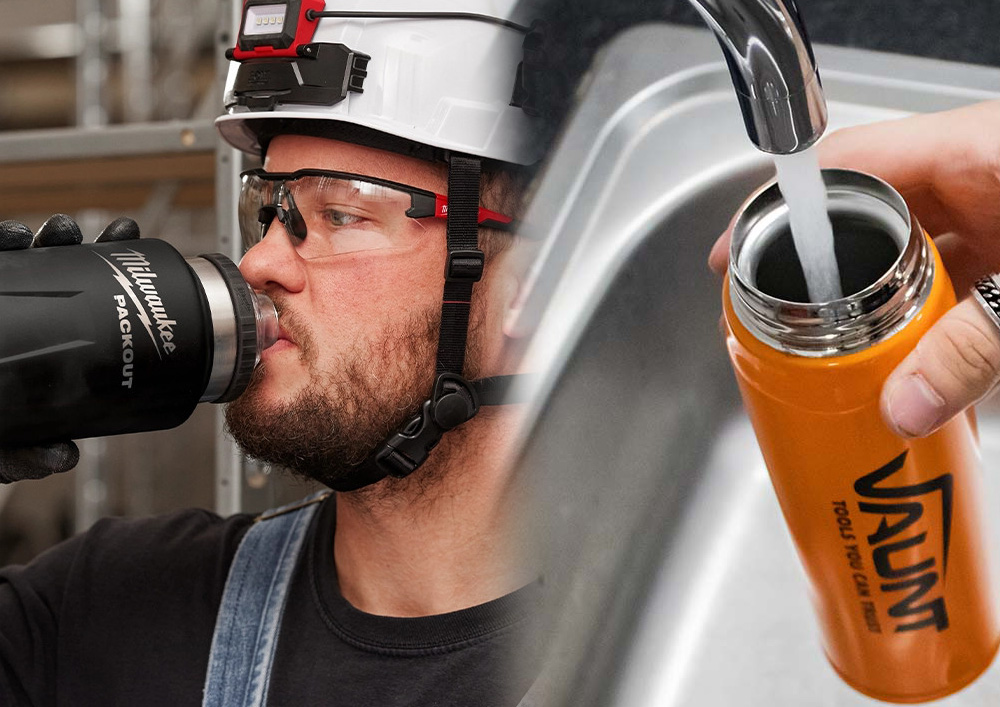
A water flask is one of the most important summer site essentials because staying hydrated is crucial when you are working in hot conditions.
Trade work is physical, and when you are lifting, carrying, cutting, drilling, climbing or working outdoors, you are going to lose fluids through sweat.
A durable water flask helps you keep a drink close by throughout the day, whether you are on site, in the van, in a workshop or moving between jobs.
Insulated water flasks are especially useful in summer because they help keep drinks cooler for longer.
That means you can fill up before work, add cold water or ice, and still have a refreshing drink later in the day.
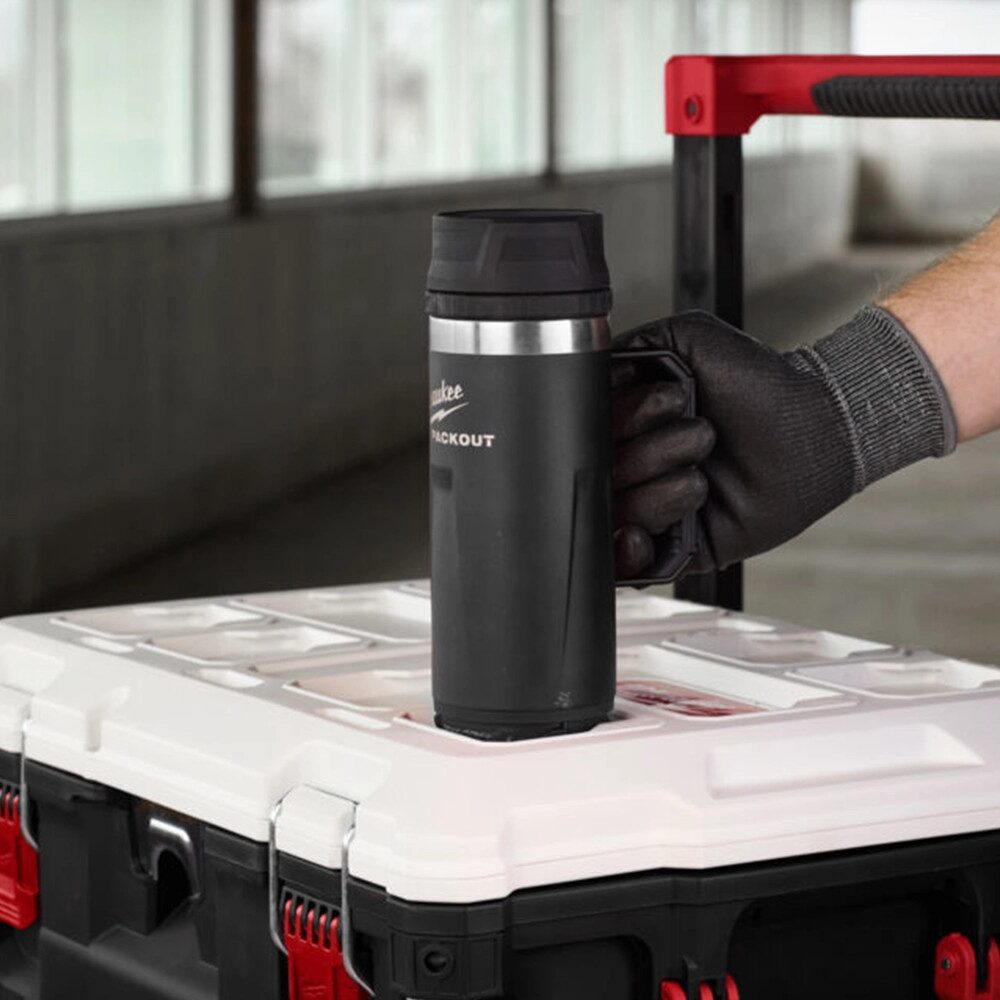
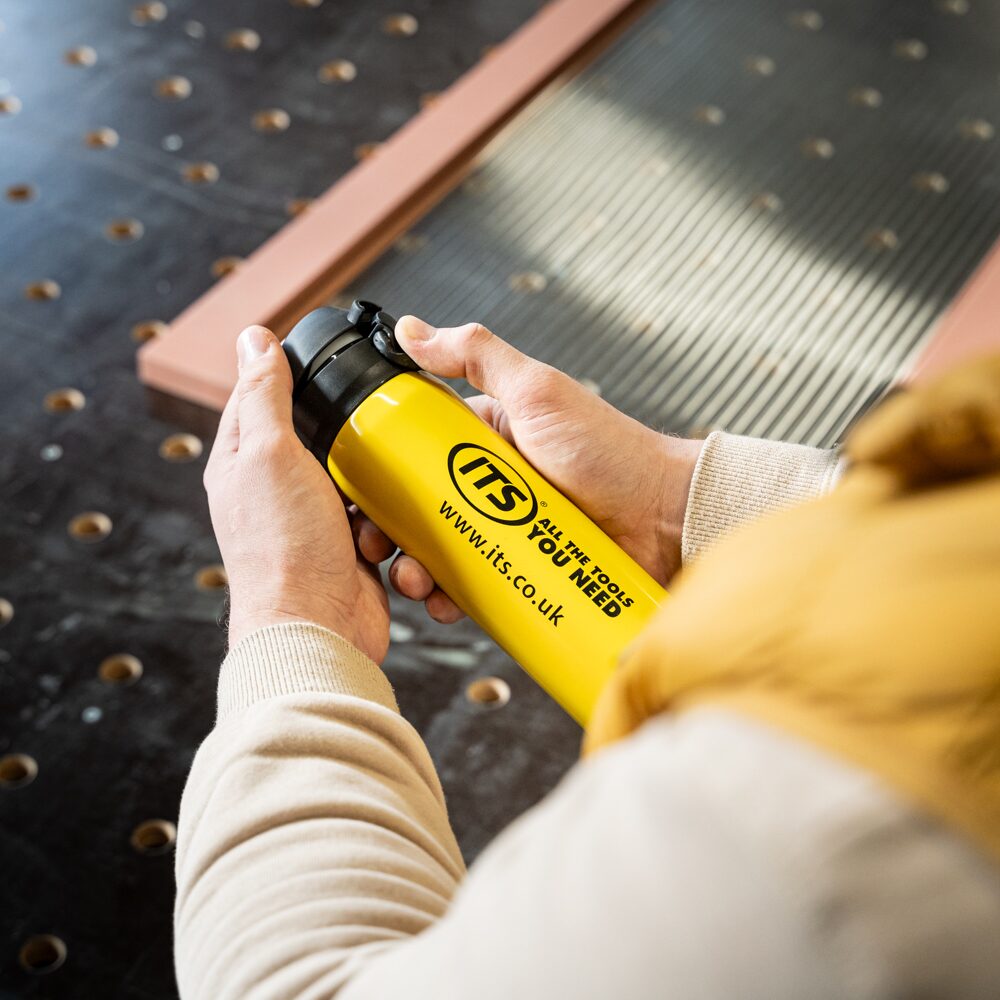
Many work flasks are also tough enough for daily use, making them much more practical than disposable bottles.
Why It’s Great for Summer Site Work
Hydration is one of the biggest parts of staying comfortable and safe during summer site work.
When the weather is hot, dehydration can creep up quickly, especially if you are focused on the job and forget to drink regularly.
A water flask makes it easier to keep water with you, rather than relying on trips to the van, shop or tap.
Cold water also makes a big difference.
Warm drinks left in a plastic bottle can be unpleasant, which means you are less likely to drink enough.
An insulated flask helps keep water cooler and more refreshing, encouraging you to drink more often throughout the day.
This is useful for all tradesmen, but especially those working outdoors, in lofts, in warm rooms, on roofs, in gardens or anywhere with limited shade.
A reusable flask is also a practical long term choice.
It reduces the need for single use bottles, can handle regular daily use and is easy to refill during the working day.
For such a simple product, it can have a big impact on comfort, focus and energy in hot weather.
FREQUENTLY ASKED QUESTIONS
How much water should tradesmen drink in hot weather?
The amount of water needed depends on the temperature, workload and how much you are sweating. In hot weather, tradesmen should drink regularly throughout the day rather than waiting until they feel thirsty. Small, frequent drinks are usually better than drinking a large amount all at once, especially during physical work.
Are insulated water flasks worth it for work?
Yes, insulated water flasks are worth it for work because they help keep drinks cooler for longer. This is especially useful during summer when bottles left in the van or direct sunlight can warm up quickly. A good flask gives you a more refreshing drink throughout the day and makes it easier to stay hydrated.
Are reusable water flasks better than plastic bottles?
Reusable water flasks are usually better for site use because they are tougher, more practical and better at keeping drinks cool. Plastic bottles can split, warm up quickly and create unnecessary waste. A durable flask is better suited to vans, tool bags, workshops and daily trade use.
Key Takeaway
A water flask is a must have summer site essential because it helps tradesmen stay hydrated, refreshed and comfortable during long hot working days.
SHOP WATER FLASKSFinal Thoughts
Staying cool on site is not just about comfort. It can help you stay productive, focused and ready to tackle the day ahead, whether you are working indoors, outdoors or constantly moving between jobs.
From cordless fans and coolboxes to breathable workwear, safety trainers and insulated water flasks, there are plenty of simple ways to make summer working more manageable.
The right gear can help you stay comfortable when temperatures rise, protect you from the sun and keep you performing at your best throughout the day.
Have we missed one of your summer site essentials? Let us know in the comments below and share the products you would not want to be without when the weather heats up.