



Whether your dad was a DIY expert, a bodge it and hope for the best type, or simply never got round to showing you the basics, there are some practical skills every adult should know.
From hanging a shelf and checking your car’s oil to unblocking a toilet, stopping a leaky tap, and resetting a tripped fuse, these basic DIY skills can save you time, money, and a lot of unnecessary panic.
This beginner friendly guide covers 5 essential DIY jobs your dad should’ve taught you, with simple advice to help you tackle everyday home maintenance tasks with more confidence.
How to Reset a Tripped Fuse Without Panicking
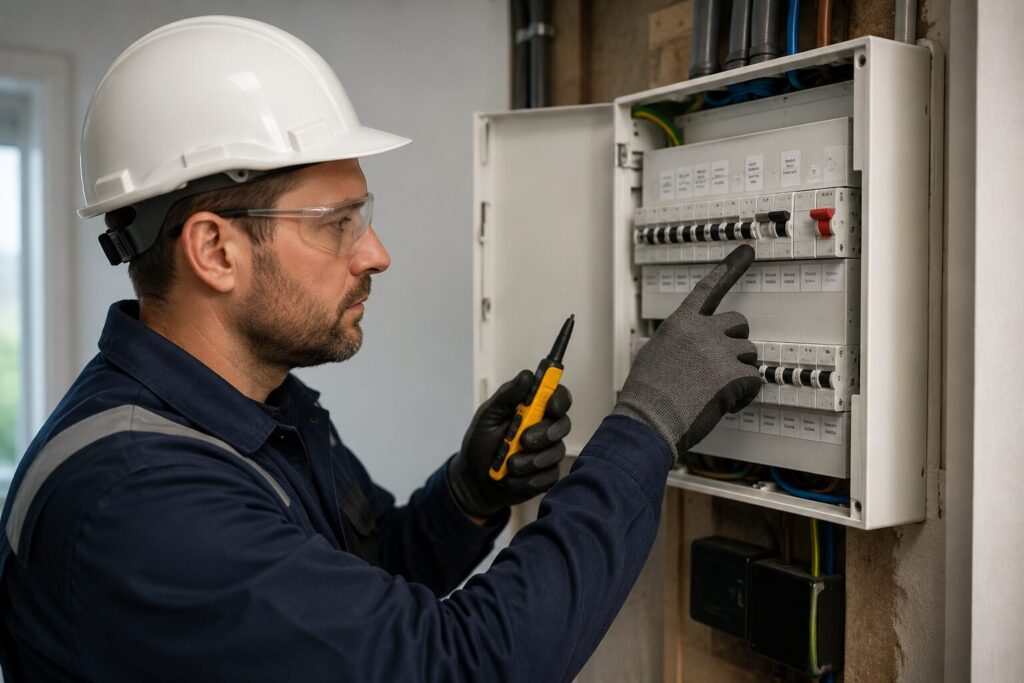
A tripped fuse or circuit breaker is one of the most common household electrical problems, usually caused by overloaded sockets or faulty appliances.
While suddenly losing power can feel stressful, resetting a tripped fuse is normally a quick and safe DIY job if you know what to look for.
Whether your kitchen sockets have stopped working after running too many appliances at once or a single room has lost power, this quick guide will help you safely reset a tripped fuse box or consumer unit without making the problem worse.
Why It Happens
A fuse or circuit breaker usually trips to protect your home from electrical overloads or faults. Common causes include running too many high powered appliances on one circuit, faulty kettles or microwaves, damaged extension leads, or defective wiring.
Modern consumer units automatically shut off power when they detect a problem, helping prevent overheating and electrical fires.
The quick how-to
- Locate your fuse box or consumer unit, usually found under the stairs, in the garage, or near the front door.
- Identify the circuit breaker that has flipped down or moved to the OFF position.
- Turn the switch fully OFF before resetting it.
- Flip the breaker back ON firmly.
- If the fuse trips again immediately, unplug appliances connected to that circuit and try again.
- If the breaker continues to trip, stop resetting it and contact a qualified electrician.
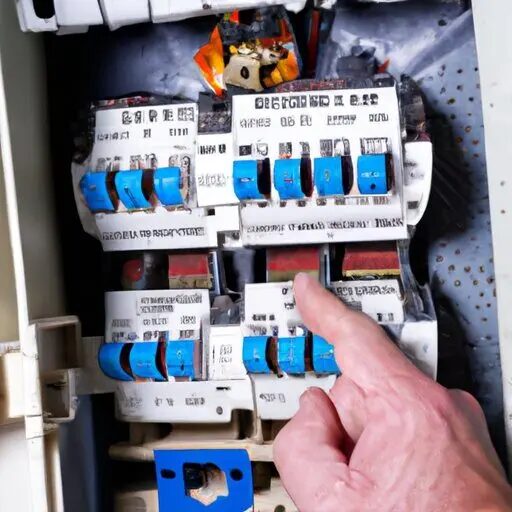
Dad-Pro Tip: Label your circuits. It’s much easier to fix things when you know which switch controls the kitchen and which one controls that mysterious plug no one has ever found.
Tools you may need
Useful tools can make diagnosing a tripped fuse quicker, safer, and far less frustrating.
| Tool | Why | Image |
|---|---|---|
| Torch or Work Light | Useful for safely checking your fuse box if the power has gone out at night or in darker areas of the home. | 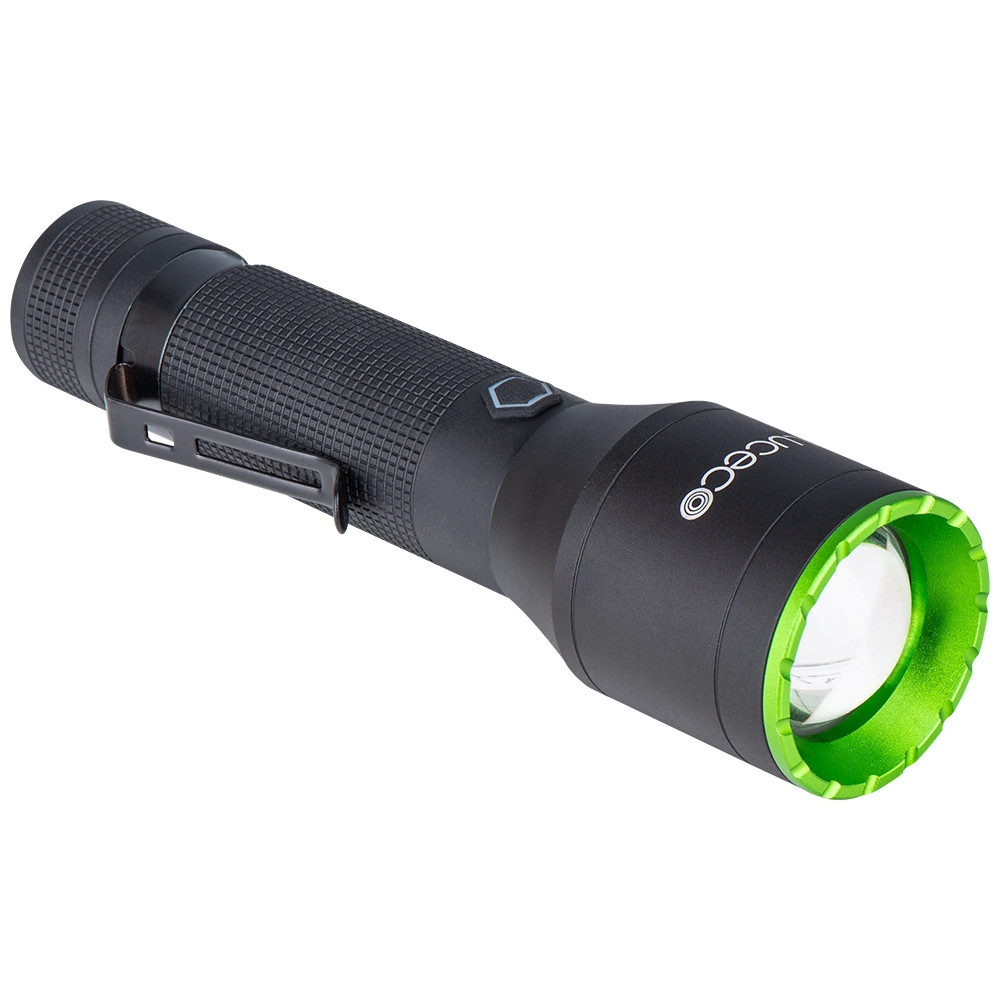 |
| Extension Lead | Helps temporarily power essential appliances from another working socket if only one circuit has tripped. |  |
| Socket Tester | A quick way to check whether a plug socket is working correctly after resetting a tripped fuse. | 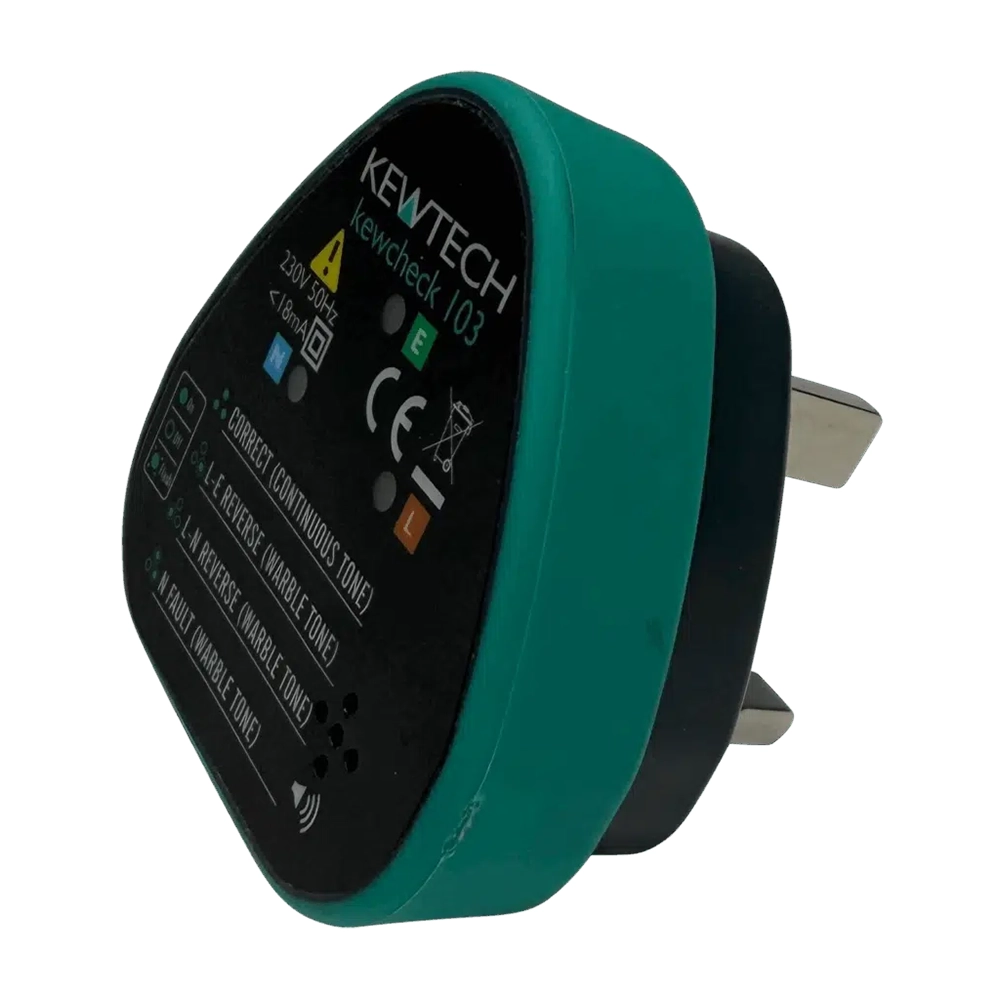 |
| Multimeter | Useful for diagnosing faulty appliances or checking for electrical issues if the fuse keeps tripping repeatedly. | 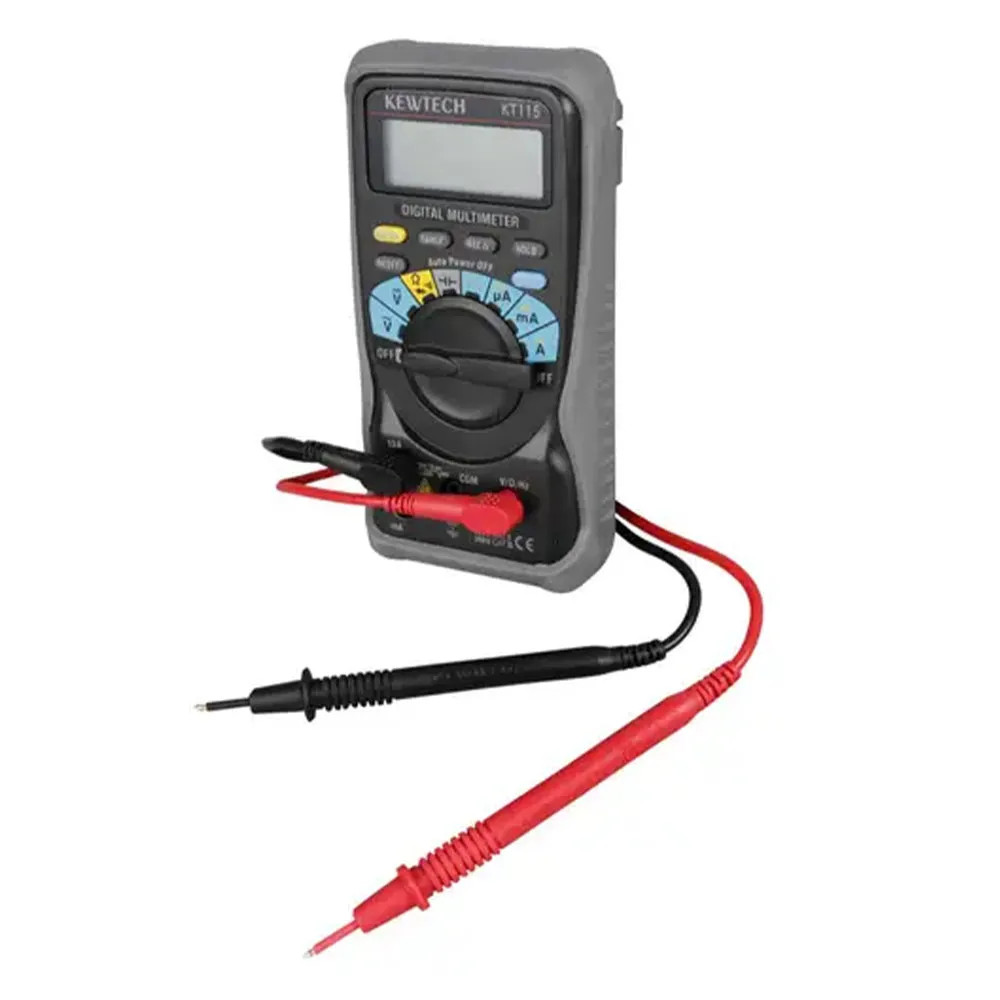 |
| Labelling Stickers or Marker Pen | Makes it easier to identify which circuit controls each room or appliance in your home. | 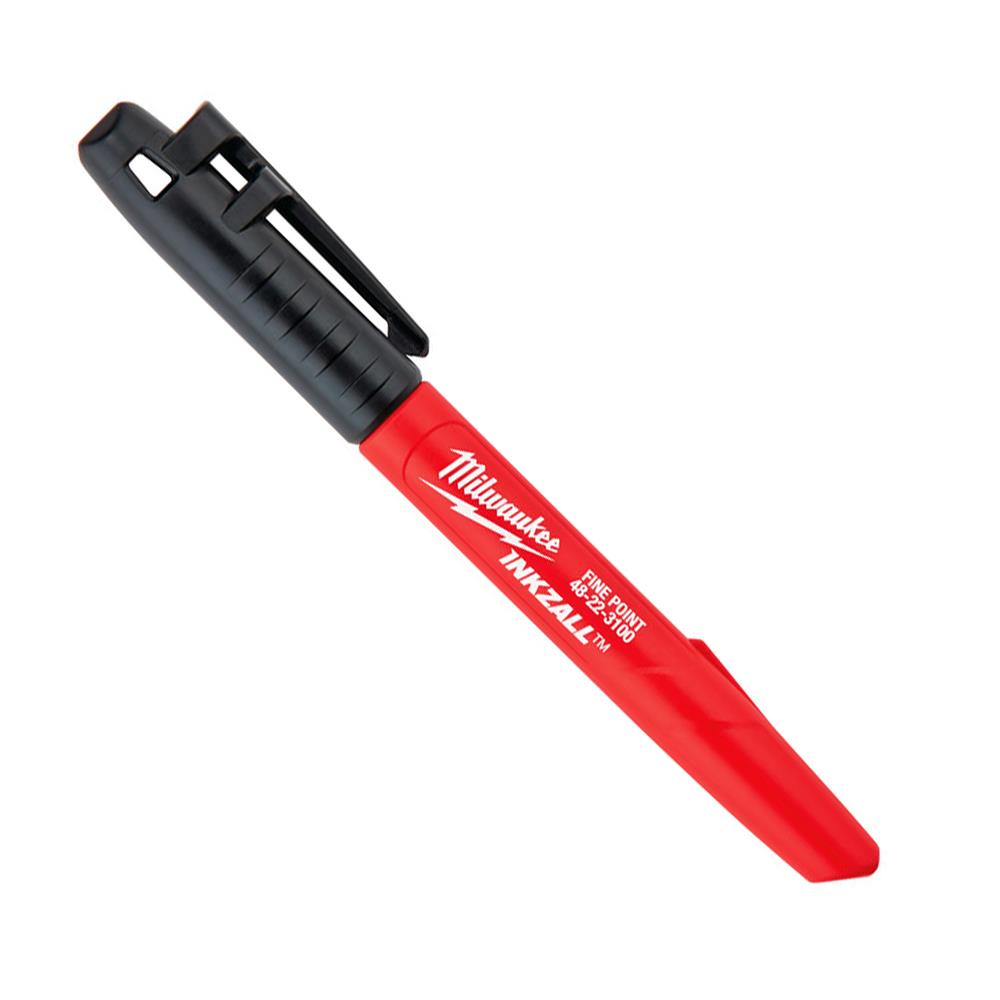 |
When to call a professional
Resetting a tripped fuse is usually simple, but some electrical problems should be left to a qualified electrician.
Call a professional if your fuse keeps tripping after you reset it, if the same circuit fails repeatedly, or if the breaker trips even after you have unplugged appliances from the affected sockets.
You should also stop and get help if you notice a burning smell, buzzing sounds, scorch marks, heat around the consumer unit, damaged sockets, or flickering lights.
Electrical faults can point to overloaded circuits, faulty wiring, or a damaged appliance, so do not keep forcing the switch back on if it will not stay on.
If in doubt, leave it off and call a qualified electrician.
Frequently asked questions
Why does my fuse box keep tripping when I use appliances?
A fuse box or circuit breaker will usually trip when too many high powered appliances are running at the same time, such as kettles, microwaves, heaters, or washing machines. A faulty appliance or damaged wiring can also cause a tripped fuse. If your fuse box keeps tripping repeatedly, unplug appliances one at a time to help identify the problem before resetting the breaker.
How do you reset a tripped fuse safely?
To reset a tripped fuse safely, locate your consumer unit or fuse box and find the switch that has moved to the OFF position or is sitting lower than the others. Turn the switch fully OFF first, then flip it back ON. If the fuse trips again immediately, unplug nearby appliances and try again. Never force a fuse switch to stay on if it repeatedly trips.
When should you call an electrician for a tripped fuse?
You should call an electrician if your fuse keeps tripping after resetting, if you notice burning smells, scorch marks, buzzing sounds, or if part of your home loses power repeatedly. Frequent electrical trips can be a sign of overloaded circuits, faulty wiring, or damaged appliances that need professional repair.
How to Hang a Shelf Without It Drooping Like a Sad Pot Plant
At some point, every home needs extra storage space, whether it is for books, plants, tools, or everyday clutter. Learning how to hang a shelf properly is one of the most useful beginner DIY skills because it helps improve organisation while avoiding crooked shelves, loose brackets, and damaged walls.
Hanging a shelf can quickly turn into a wonky nightmare if you go in with pure optimism and zero planning, but with the right tools, wall plugs, and a spirit level, getting it straight is easier than it looks.
Why Do People Put Up Shelves?
Shelves are a simple way to add extra storage, display space, and organisation without taking up floor space.
Whether it is for books, tools, plants, or everyday essentials, a properly fitted shelf can make a room feel far more practical and organised.
The Quick How-To
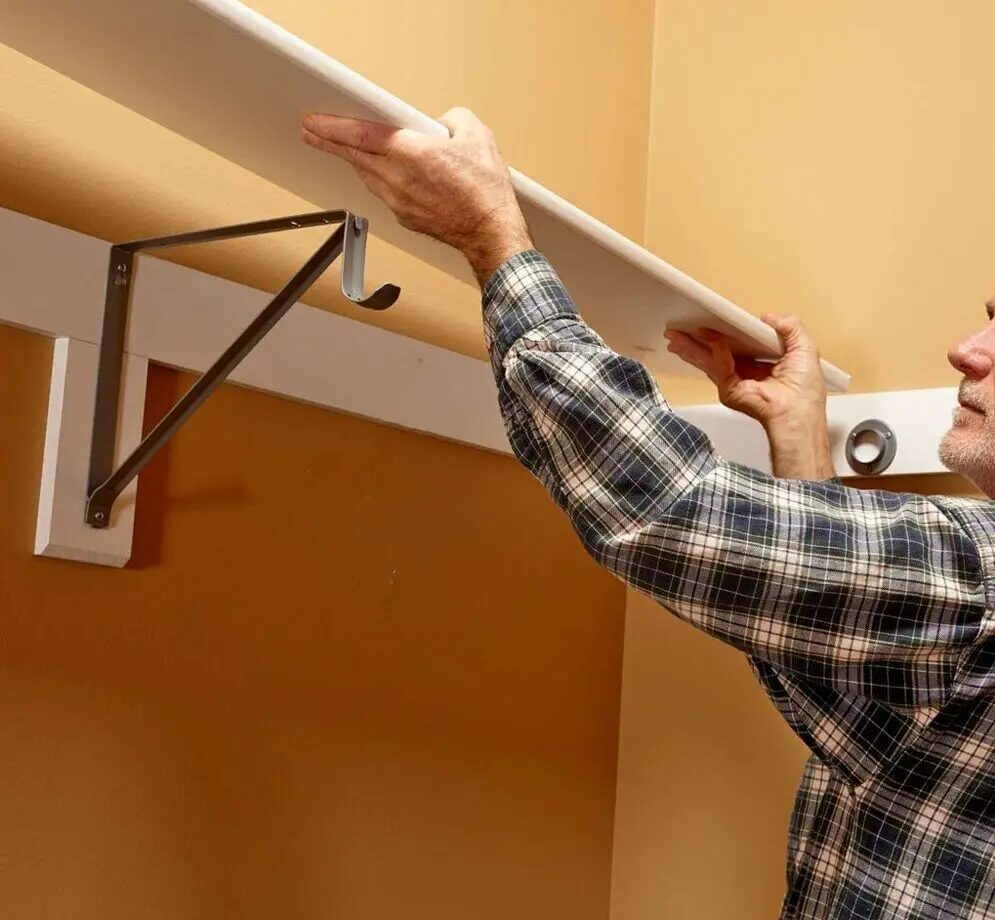
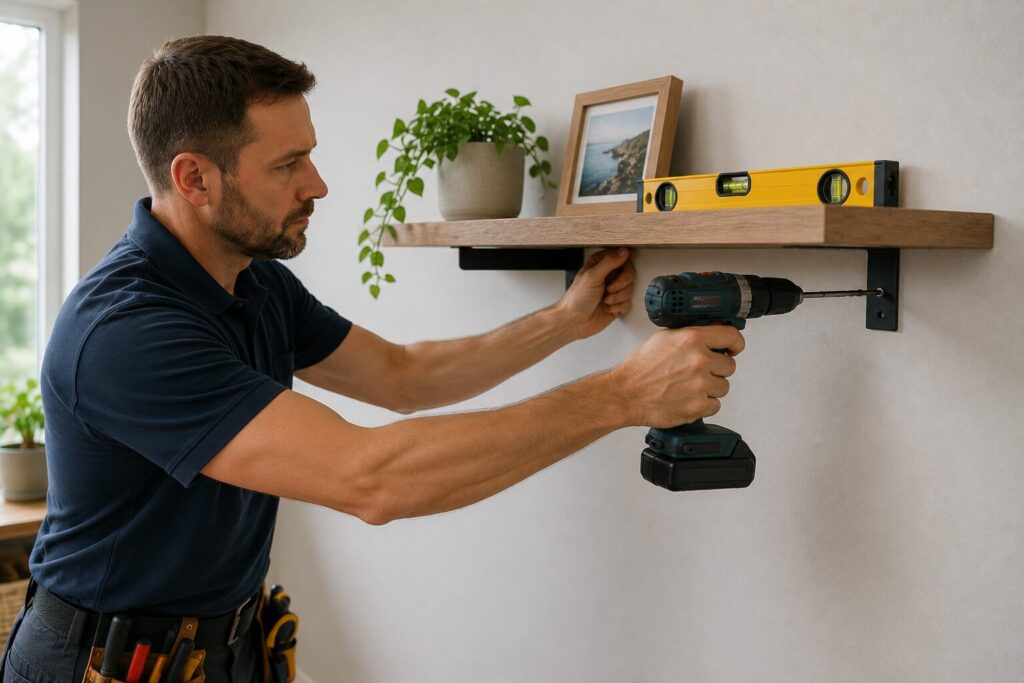
- Hold the shelf against the wall and decide the correct height before marking fixing points with a pencil.
- Mark where the brackets will sit and use a spirit level to make sure both sides are perfectly straight.
- Double check your measurements and bracket spacing before drilling.
- Drill your fixing holes, insert the correct wall plugs, and securely screw the brackets into place.
- Position the shelf on top, tighten any remaining fixings, and check the shelf is level before adding weight.
Dad-Pro Tip: If you’re hanging it above eye level, step back before you drill. Nothing screams “DIY disaster” like realising you’ve put a shelf where your forehead now lives.
tools you may need
Useful tools can make hanging a shelf far easier and far less complicated.
| Tool | Why? | Image |
|---|---|---|
| Spirit Level | Helps make sure your shelf is perfectly straight and prevents it from looking uneven once installed. | 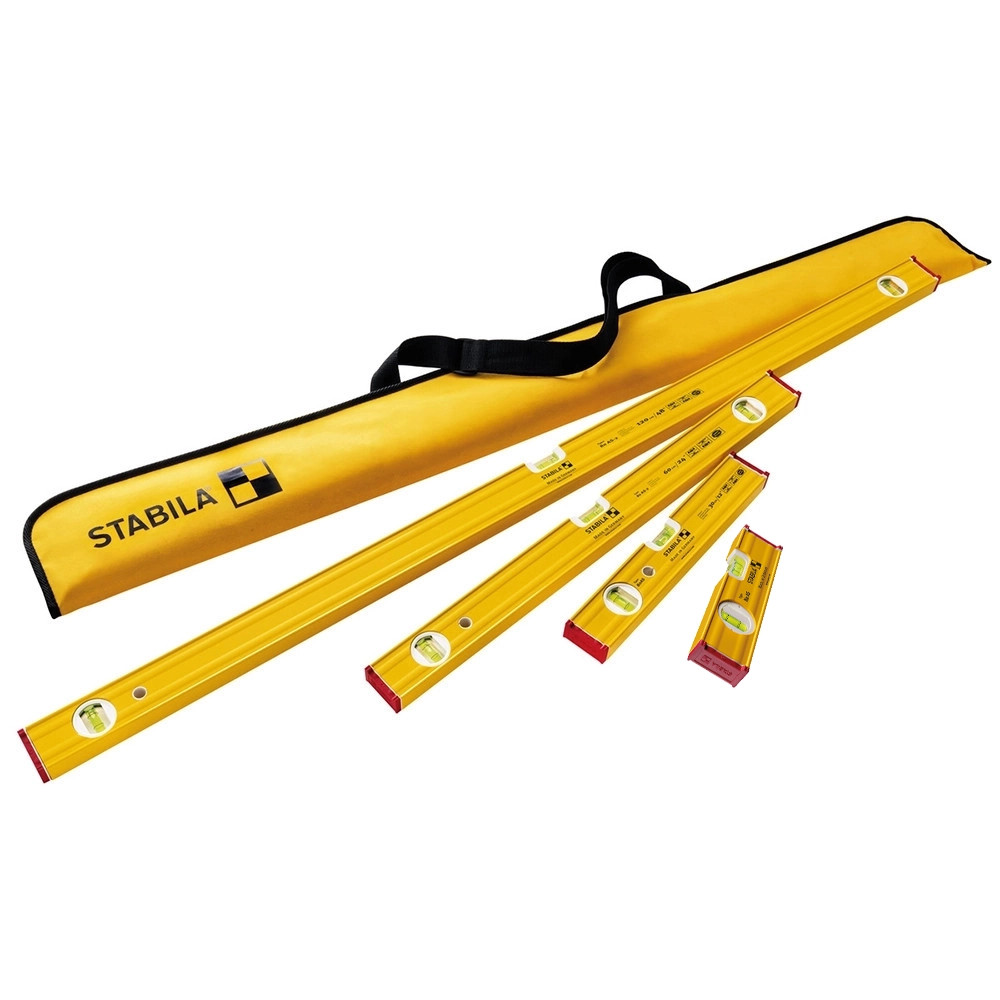 |
| Combi Drill | Ideal for drilling fixing holes into plasterboard, brick, or masonry walls before mounting shelf brackets. | 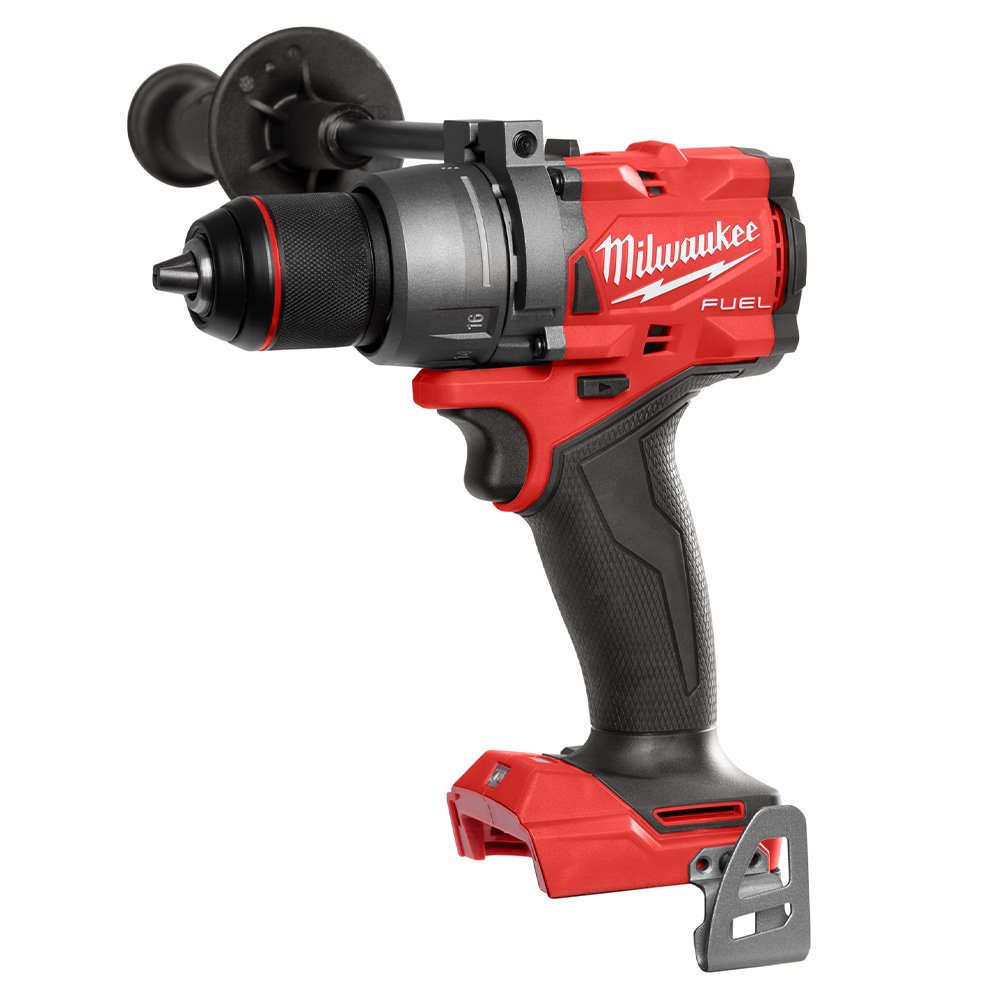 |
| Wall Plugs | Provide a stronger and more secure fixing when installing shelves into masonry or plasterboard walls. | 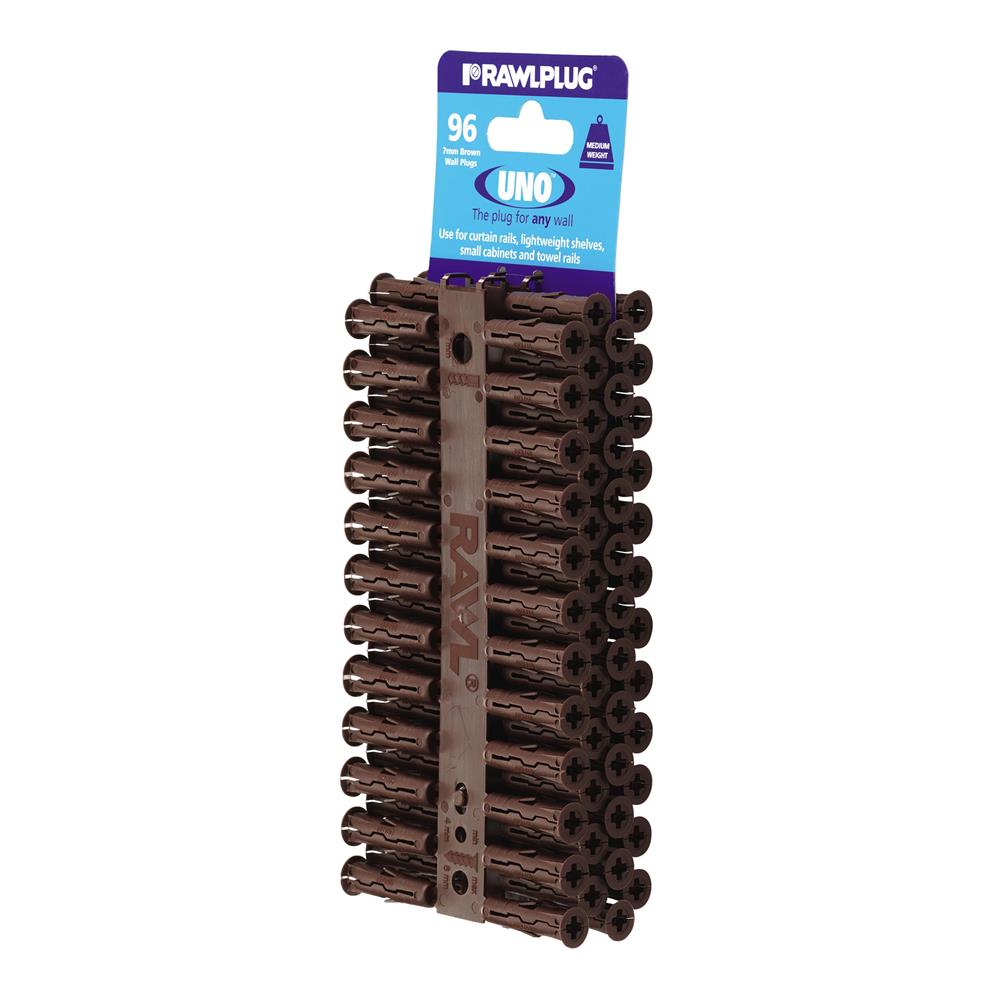 |
| Tape Measure | Makes it easier to accurately position brackets and evenly space your shelf before drilling. | 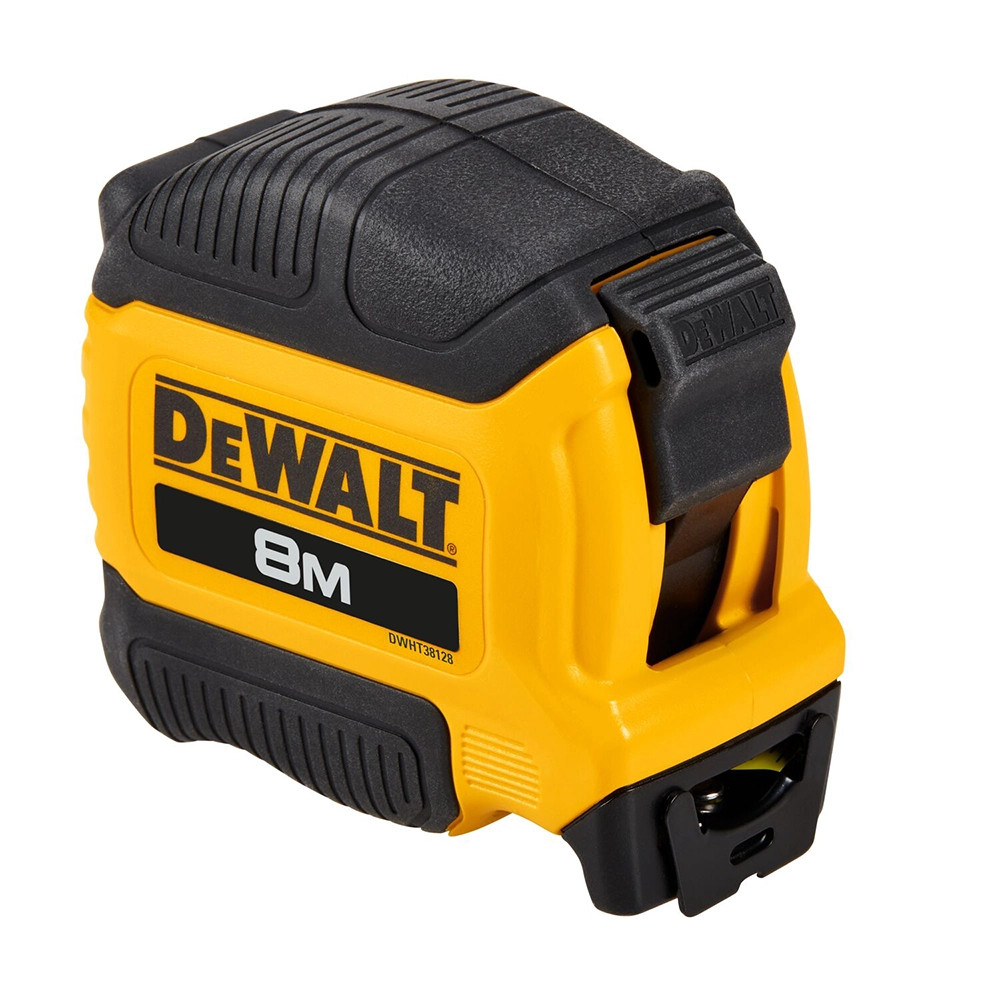 |
| Screwdriver | Useful for securely tightening screws and fixing shelf brackets firmly to the wall. | 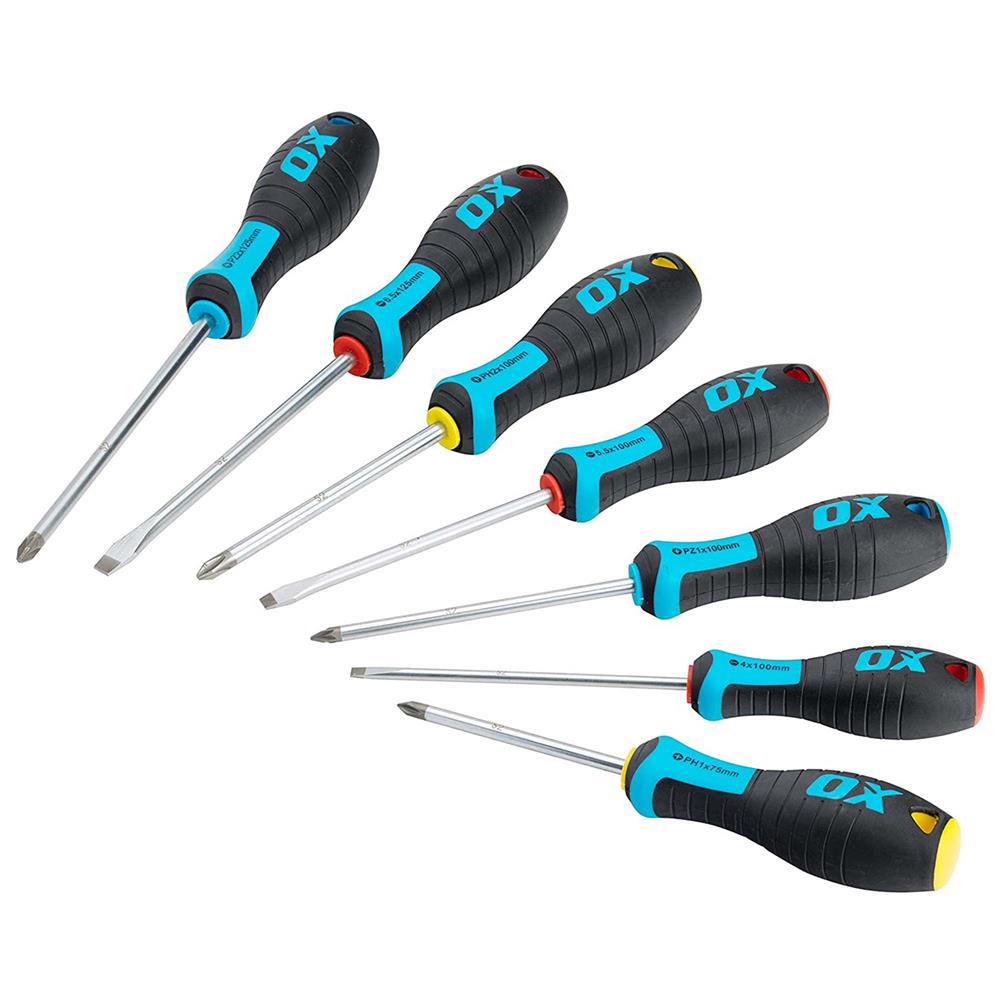 |
when to call a professional
If your wall starts crumbling while drilling, the shelf feels loose after fitting, or you are mounting heavy shelves onto plasterboard, it may be worth calling a professional. You should also get help if you are unsure about hidden pipes, electrical cables, or the correct fixings needed for your wall type.
Frequently asked questions
What wall plugs do I need for hanging a shelf
The best wall plugs for shelves depend on your wall type. Masonry walls usually need standard plastic wall plugs, while plasterboard walls often require plasterboard fixings or hollow wall anchors for a secure hold.
How much weight can a wall shelf hold?
A wall shelf’s weight capacity depends on the shelf material, bracket strength, wall type, and fixings used. Heavy items like books or tools normally require stronger brackets and secure fixings into brick, masonry, or wall studs.
Why does my shelf keep leaning or sagging?
Shelves usually sag because the brackets are not level, the fixings are loose, or the shelf is overloaded. Using a spirit level, proper wall plugs, and evenly spaced brackets can help keep your shelf straight and secure.
How to Check Your Car’s Oil (Before the Engine Starts Making New Noises)
Checking your car’s oil is one of the most important basic car maintenance skills because low engine oil can lead to poor performance, overheating, and expensive engine damage.
Fortunately, checking your oil level is quick, simple, and beginner friendly, requiring only a few minutes and a clean cloth.
Why Checking Your Oil Matters
Engine oil helps lubricate moving engine parts, reduce heat, and prevent excessive wear inside your car’s engine. Driving with low oil levels can lead to overheating, poor engine performance, and serious mechanical damage over time.
The quick HOW-TO
- Make sure the engine is switched off and the car is parked on level ground before checking the oil level.
- Open the bonnet and locate the engine oil dipstick, usually marked with a brightly coloured handle near the engine.
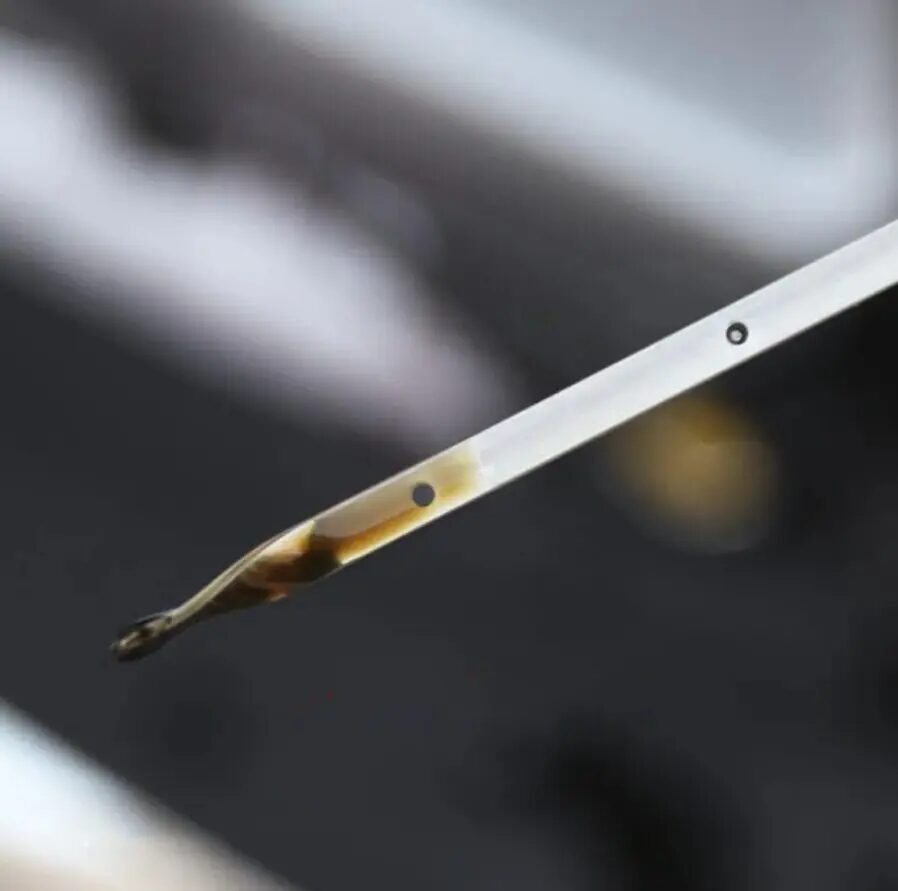
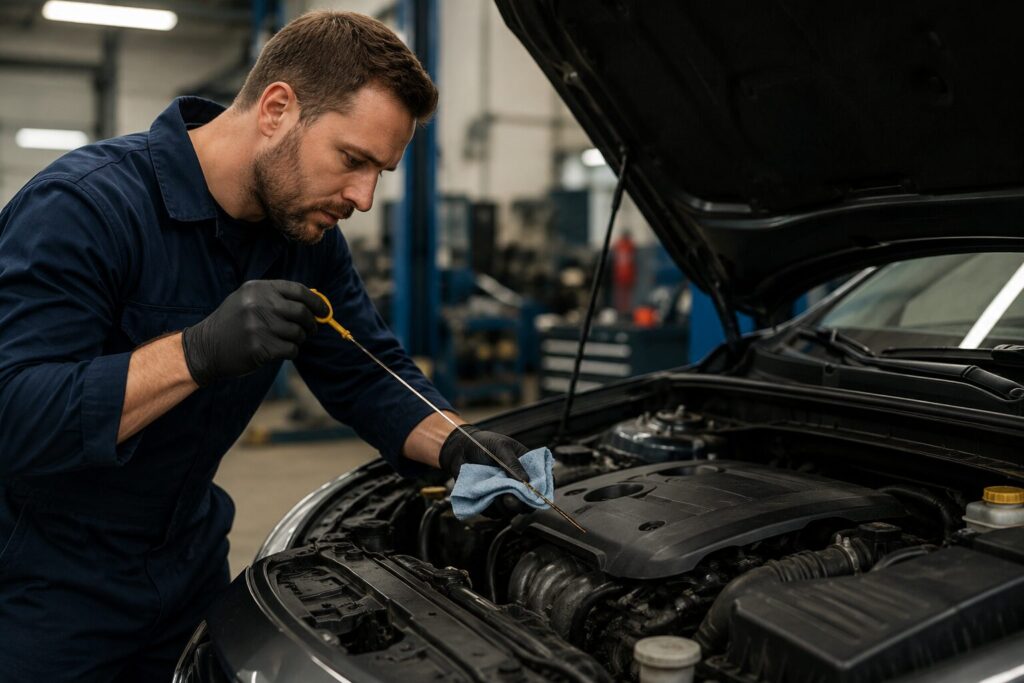
- Pull the dipstick out fully and wipe it clean using a cloth or paper towel before inserting it back in completely.
- Remove the dipstick again and check the oil level markings at the tip. The oil should sit between the MIN and MAX indicators.
- If the oil level is low, slowly top it up using the correct engine oil recommended for your vehicle.
- Replace the dipstick securely and close the bonnet properly before driving the car again.
Dad-Pro Tip: Always keep a spare bottle of the correct oil in your boot. It’s the closest you’ll get to feeling like a motoring genius without actually knowing how an engine works.
tools you may need
| Tool | Why? | Image |
|---|---|---|
| Engine Oil | Useful for topping up low oil levels and helping protect the engine from wear and overheating. | 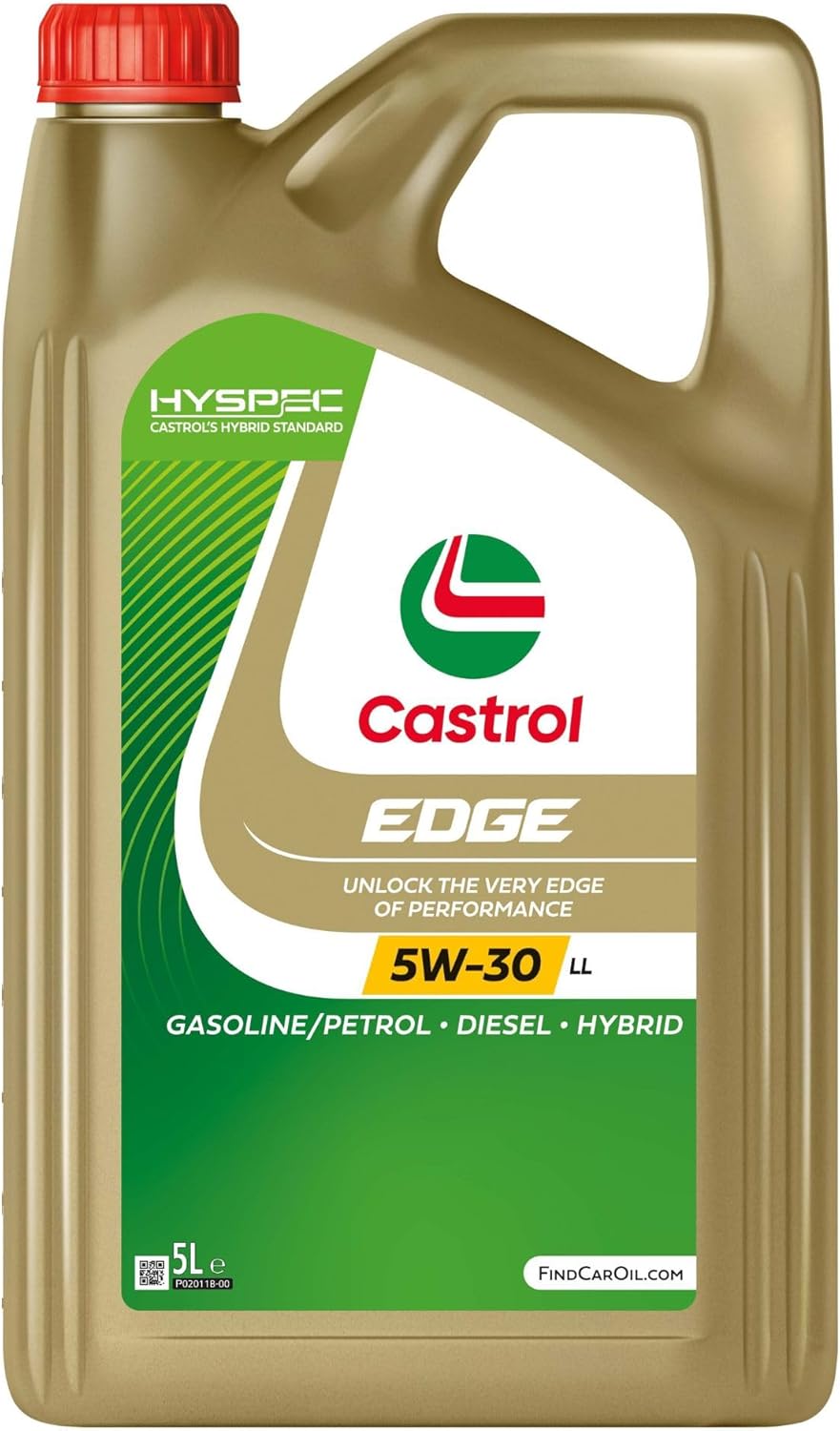 |
| Microfibre Cloth or Paper Towels | Ideal for wiping the dipstick clean before checking the oil level accurately. |  |
| Funnel | Helps pour engine oil into the filler cap cleanly without spills or mess inside the engine bay. | 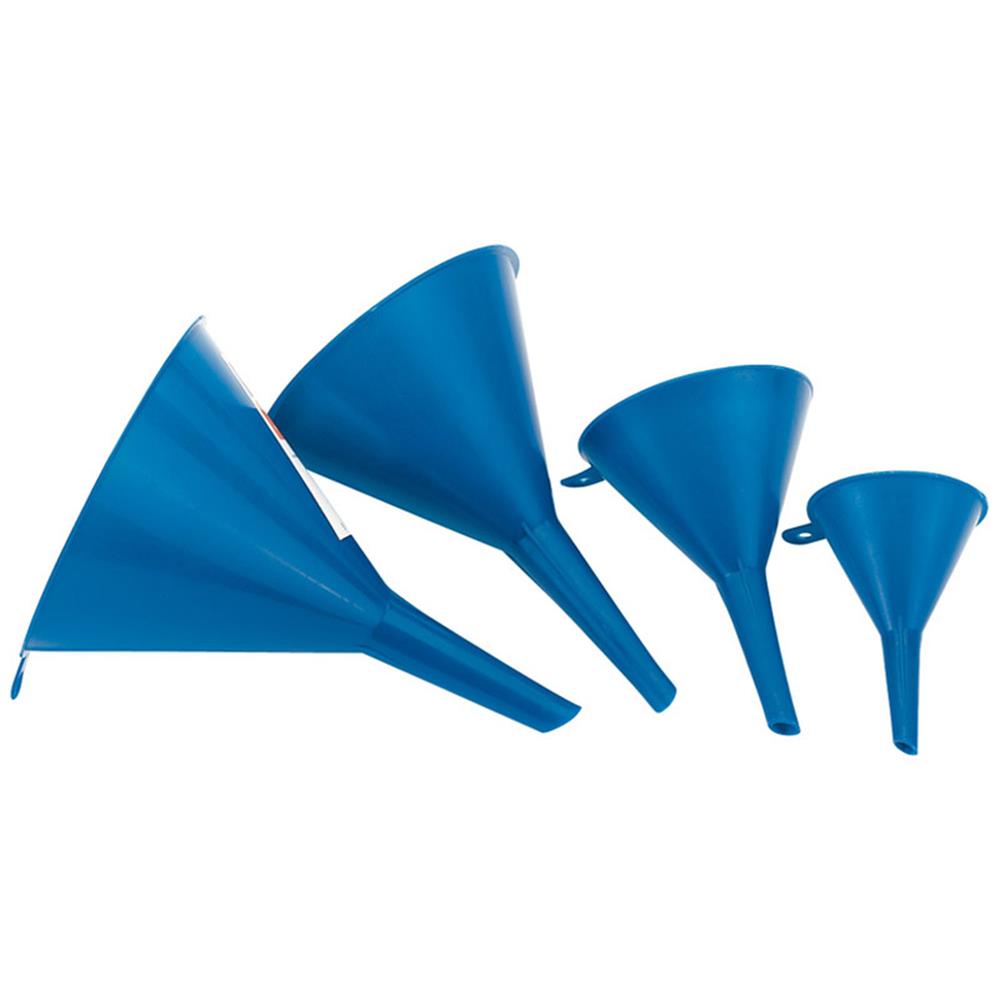 |
| Under Bonnet Light | Makes it easier to locate the dipstick and oil filler cap in darker conditions or poorly lit garages. | 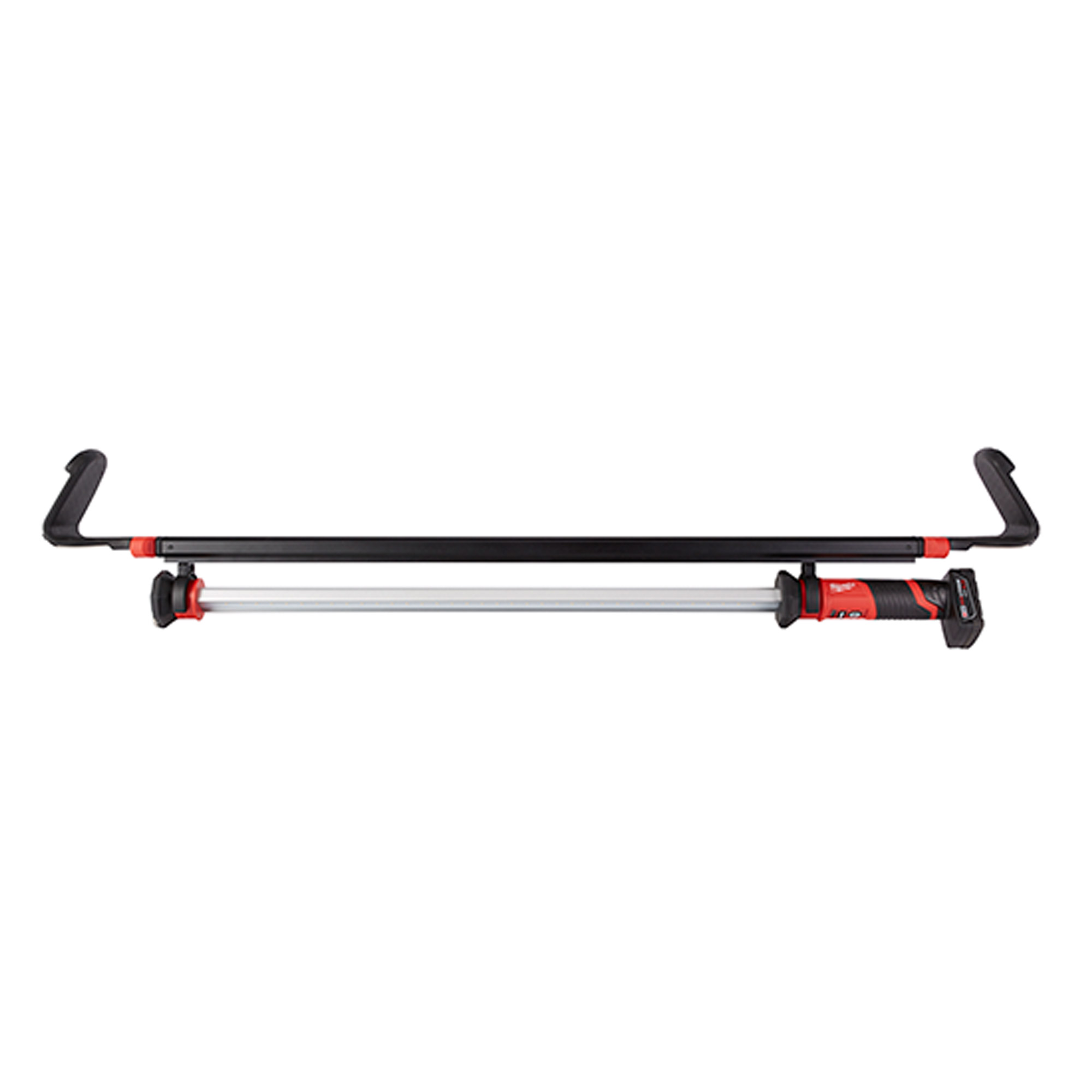 |
| Nitrile Gloves | Keeps your hands clean while handling engine oil and working around the engine bay. | 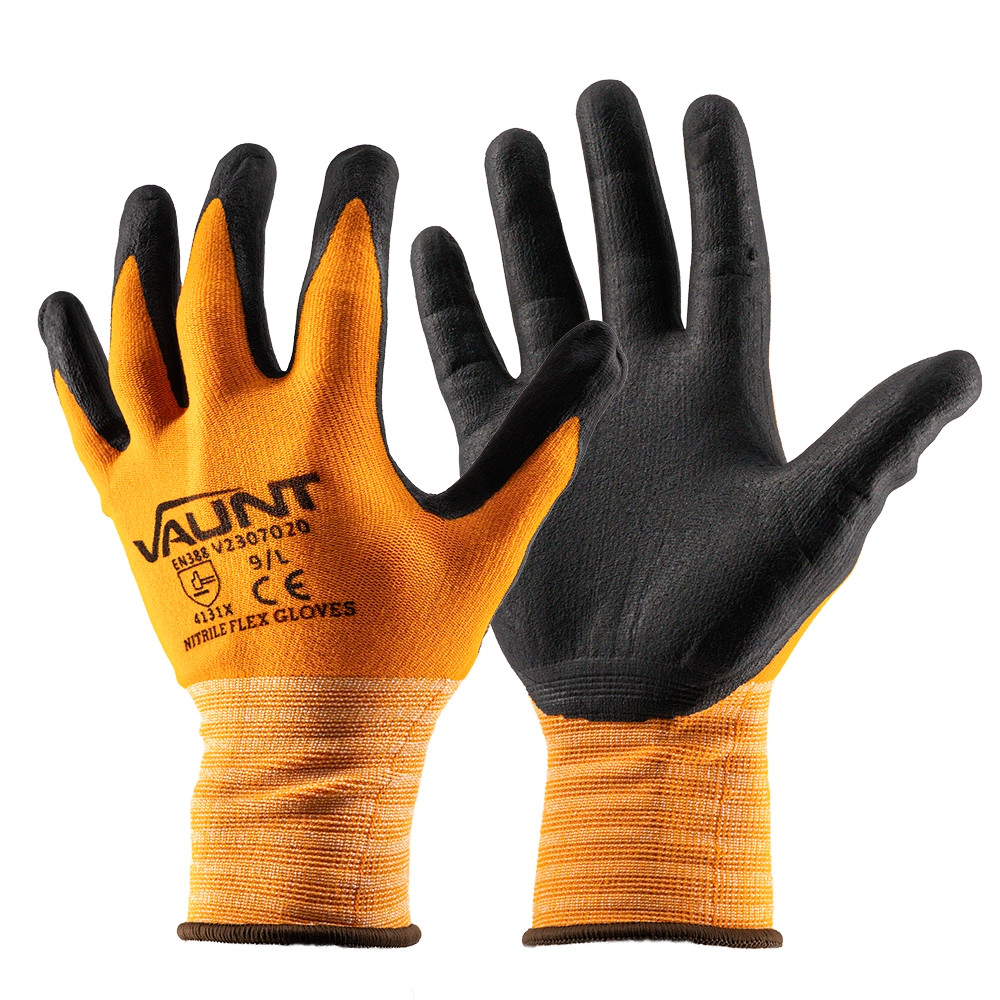 |
when to call a professional
If your oil level keeps dropping quickly, the oil looks milky or heavily contaminated, or you notice warning lights, smoke, or unusual engine noises, you should have the car checked by a professional mechanic. You should also get professional advice if you are unsure which engine oil your vehicle needs or if you spot oil leaks around the engine or underneath the car.
Frequently Asked Questions
How often should you check your car’s oil level?
Most manufacturers recommend checking your engine oil at least once a month and before long journeys. Regular oil checks help prevent low oil levels, engine wear, overheating, and costly mechanical damage.
What happens if your car is low on engine oil?
Driving with low engine oil can reduce lubrication inside the engine, causing increased friction, overheating, poor performance, and serious engine damage over time. If the oil warning light appears, check the oil level as soon as it is safe to do so.
How do you know if your car needs more oil?
You can check your car’s oil level using the engine oil dipstick. If the oil sits close to or below the MIN marking, the engine will usually need topping up with the correct type of engine oil recommended for your vehicle.
How to Unblock a Toilet Without Calling a Professional (or crying)
A blocked toilet is one of the most common household plumbing problems, usually caused by excess toilet paper, wipes, or a blockage in the toilet drain.
While it can look dramatic when the water starts rising, many toilet blockages can be cleared at home using a toilet plunger and a few simple steps before calling a plumber.
Why this happens
Toilets usually become blocked because of excessive toilet paper, wet wipes, sanitary products, or items that should not be flushed down the toilet.
Over time, these materials can restrict water flow and create a blockage in the toilet drain or waste pipe.
The Quick How-To
- Stop flushing the toilet to avoid overflowing the bowl and making the blockage worse.
- Use a proper toilet plunger and position it over the drain hole to create a tight seal.
- Push down gently, then pull upwards firmly several times to help loosen the blockage inside the toilet drain.
- If the water level starts dropping, flush carefully to check whether the blockage has cleared.
- If the toilet is still blocked, pour warm water into the bowl and leave it for a few minutes before trying again.
- If the blockage will not clear or the toilet keeps backing up, contact a qualified plumber.
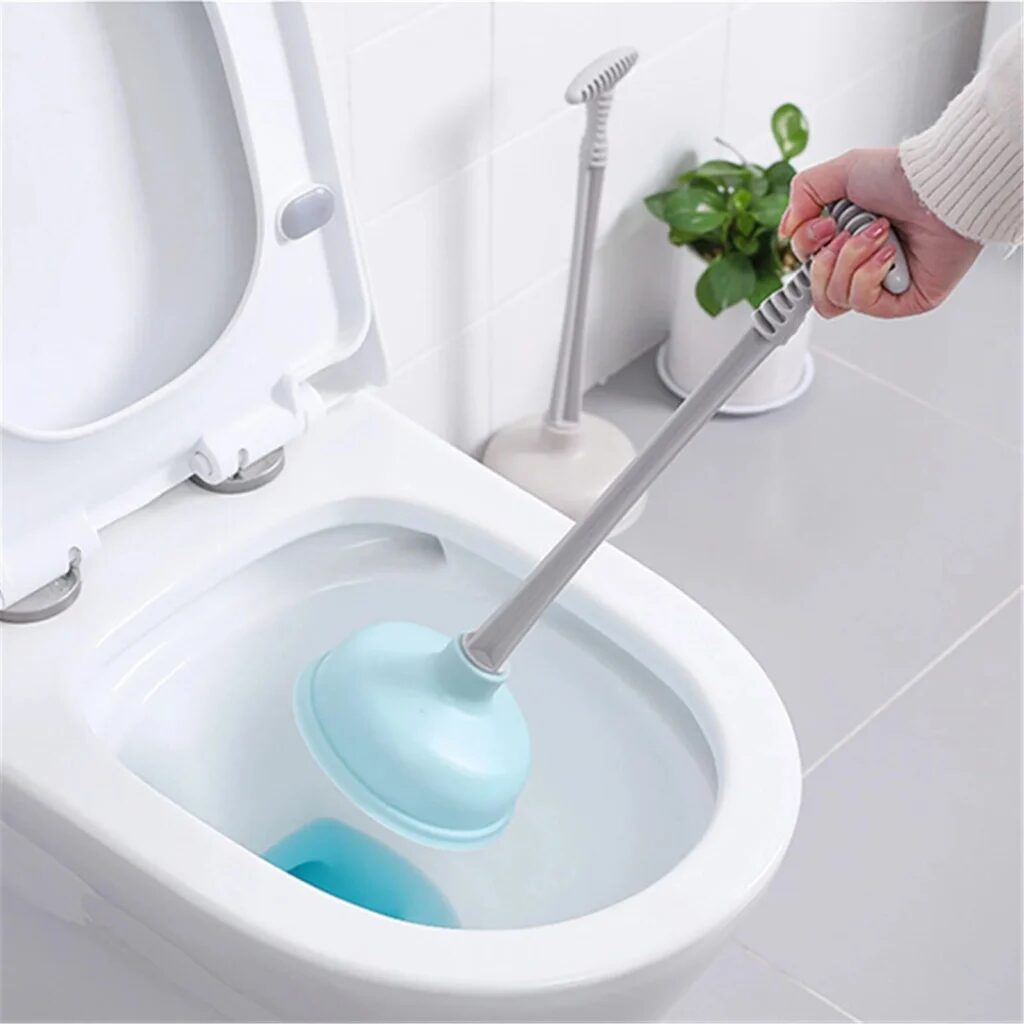
Dad-Pro Tip: Keep a dedicated “toilet plunger” and a separate “everything else plunger.” Trust us. You really don’t want to mix those up.
Tools you may need
| Tool | Why? | Image |
|---|---|---|
| Toilet Plunger | The most effective tool for loosening common toilet blockages and restoring water flow through the drain. | 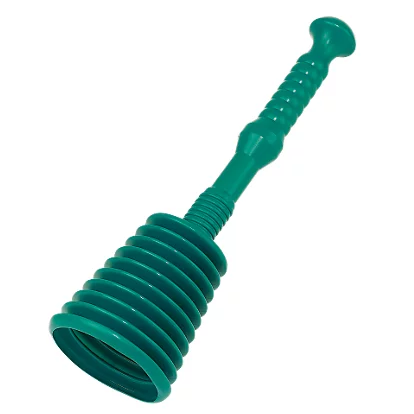 |
| Rubber Gloves | Helps keep the job cleaner and more hygienic when dealing with blocked toilets or dirty water. | 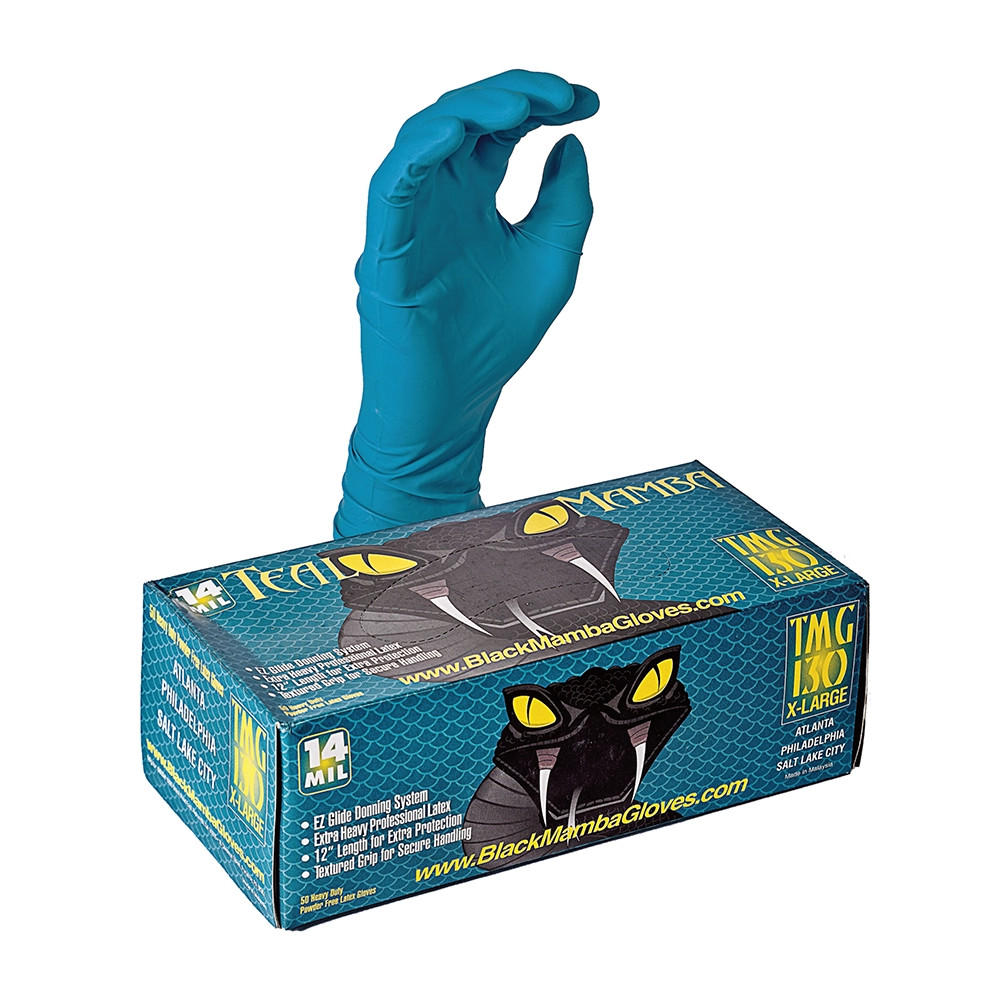 |
| Bucket or Towels | Useful for catching spills or cleaning up excess water if the toilet starts overflowing. | 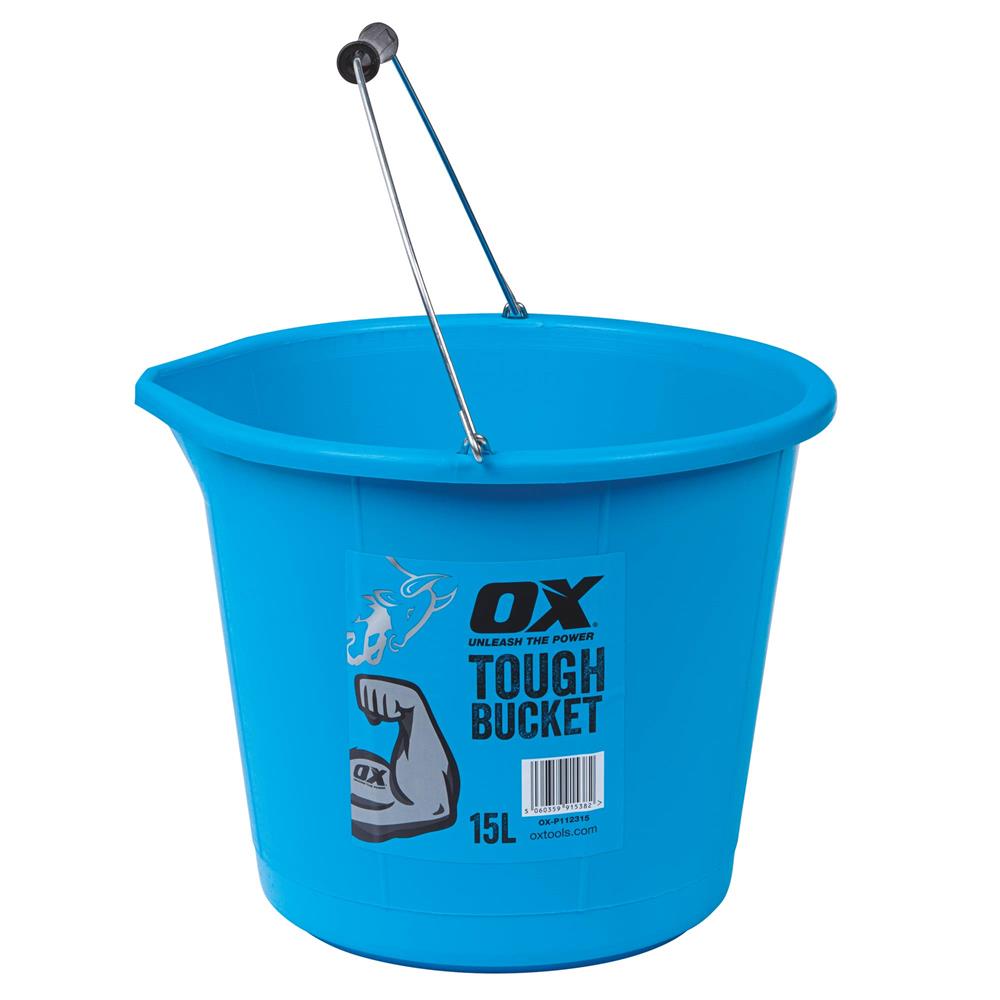 |
| Drain Snake or Toilet Auger | Helps break up deeper blockages that cannot be cleared with a standard plunger. | 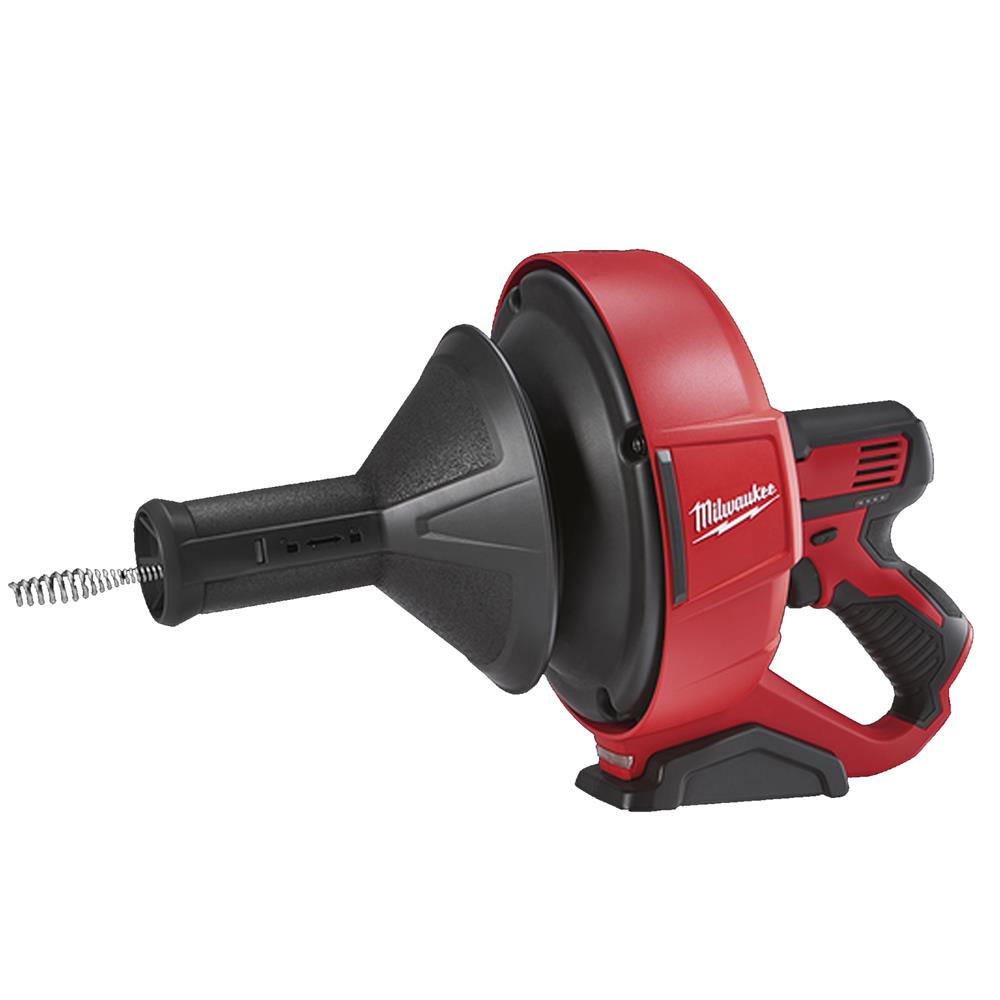 |
| Warm Water and Washing Up Liquid | Can help soften minor toilet blockages and improve drainage before plunging again. | 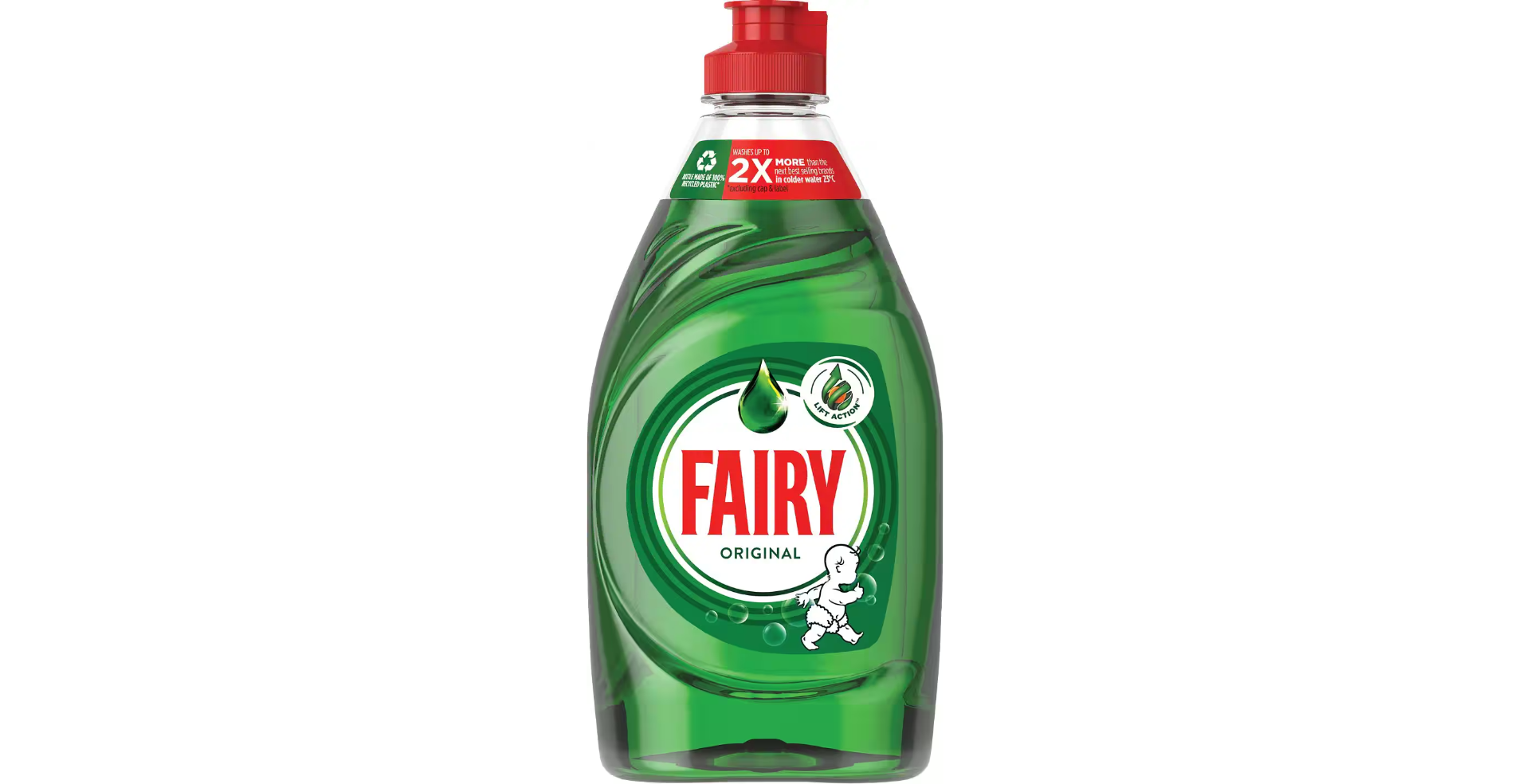 |
When to call a professional
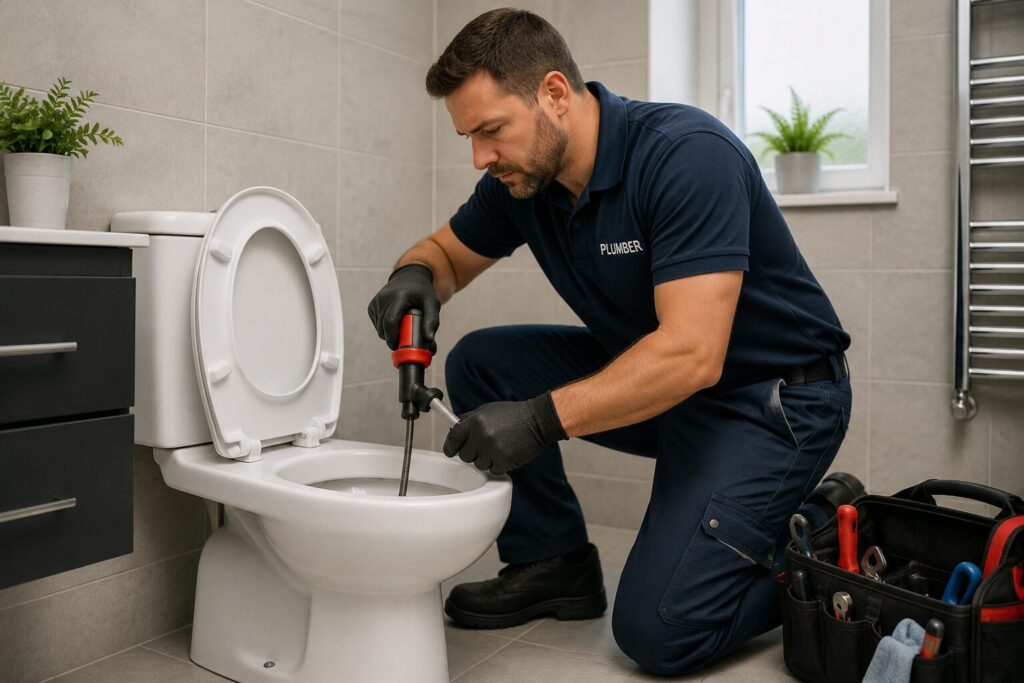
If your toilet is still blocked after plunging, keeps backing up after flushing, or the water level rises instead of draining, it is time to call a professional plumber.
You should also get help if more than one drain is blocked, you notice bad smells coming from the toilet, or you suspect the blockage is deeper in the waste pipe rather than just in the toilet bowl.
Frequently Asked Questions
What is the best way to unblock a toilet at home?
The best way to unblock a toilet is usually with a proper toilet plunger, which helps loosen blockages and restore water flow through the drain. Warm water and washing up liquid can also help soften minor toilet blockages before plunging again.
Why is my toilet blocked but other drains are working?
If only the toilet is blocked, the problem is usually caused by excess toilet paper, wipes, sanitary products, or a blockage inside the toilet drain itself. If multiple drains are backing up at the same time, there may be a larger blockage in the main waste pipe or drainage system.
When should you call a plumber for a blocked toilet?
You should call a plumber if the toilet keeps overflowing, the blockage will not clear after plunging, or the toilet repeatedly backs up after flushing. Persistent toilet blockages can be a sign of deeper drainage problems that require professional equipment to fix safely.
How to Stop a Leaking Tap Before It Becomes a Water Feature
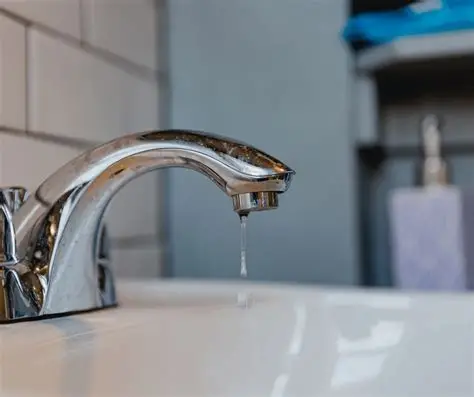
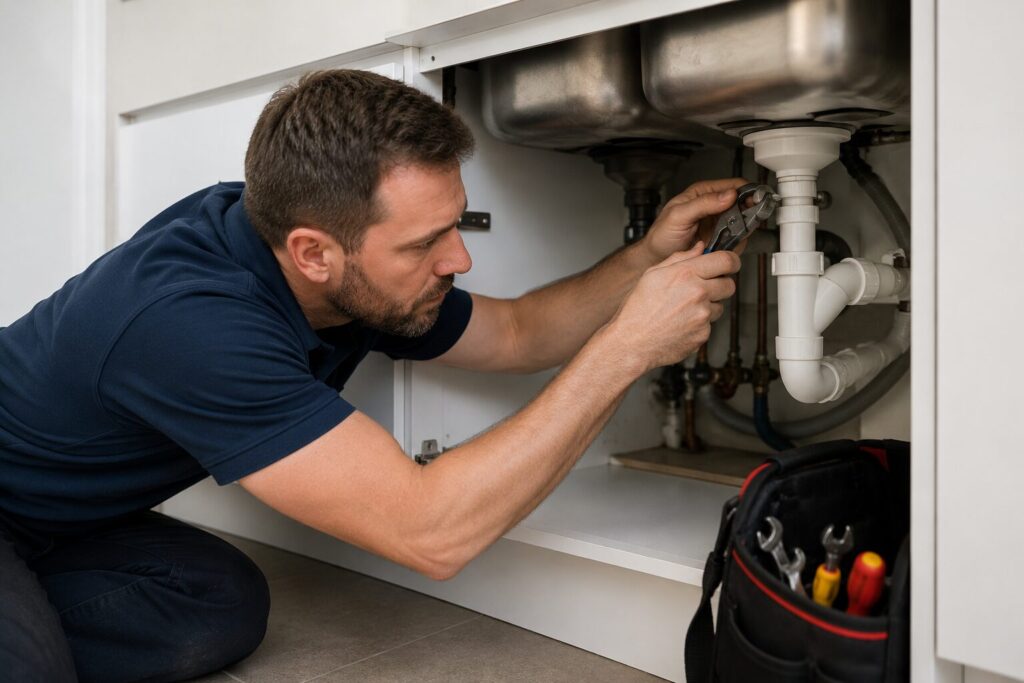
A leaking tap is one of the most common household plumbing problems, usually caused by a worn washer, damaged O ring, or faulty ceramic cartridge.
While a dripping tap might seem minor at first, it can waste water, increase bills, and become surprisingly annoying over time, but in many cases it is a simple DIY fix with a few basic tools.
Why this happens
Most leaking taps are caused by worn washers, damaged ceramic cartridges, loose fittings, or ageing seals inside the tap.
Over time, these parts wear down from regular use and allow water to continue dripping even when the tap is fully turned off.
The Quick How-To
- Turn off the water supply using the isolation valve underneath the sink before starting any repair work.
- Remove the tap handle cap carefully with a flat screwdriver and unscrew the handle to access the internal parts.
- Take out the tap head and inspect the washer, O ring, or ceramic cartridge for signs of wear or damage.
- Replace the damaged part with a matching washer or cartridge suitable for your tap type.
- Reassemble the tap, turn the water supply back on, and test the tap to check the leak has stopped.
- If the tap is still dripping, double check the fitting and make sure the replacement part is installed correctly.
Dad-Pro Tip: Put a towel or plug in the sink before you start unscrewing things. Dropping a tiny washer down the drain is how DIY rage begins.
tools you may need
| Tool | Why? | Image |
|---|---|---|
| Adjustable Spanner | Helps loosen and tighten tap fittings, nuts, and connectors during the repair. | 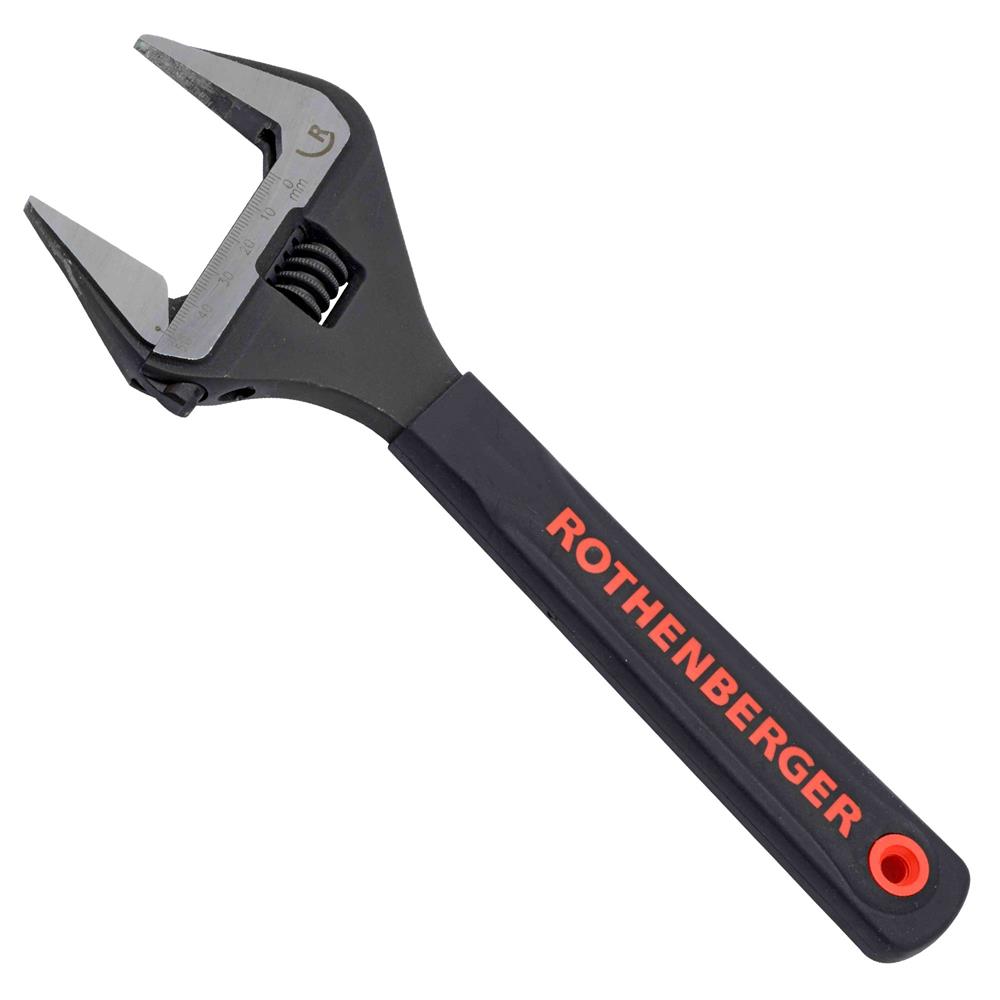 |
| Flat Screwdriver | Useful for removing the tap handle cap and accessing the internal tap parts. | 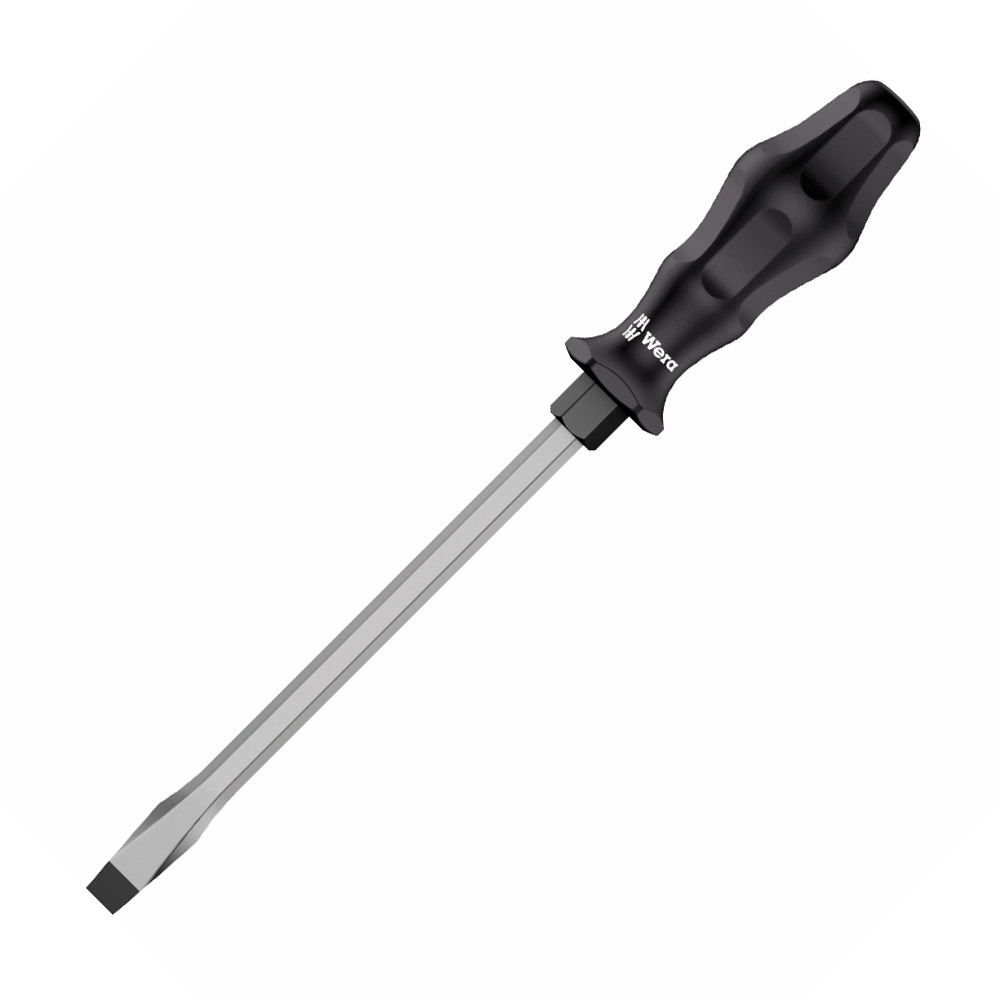 |
| Replacement Washer or Ceramic Cartridge | Replaces the worn part that is usually causing the dripping tap. | 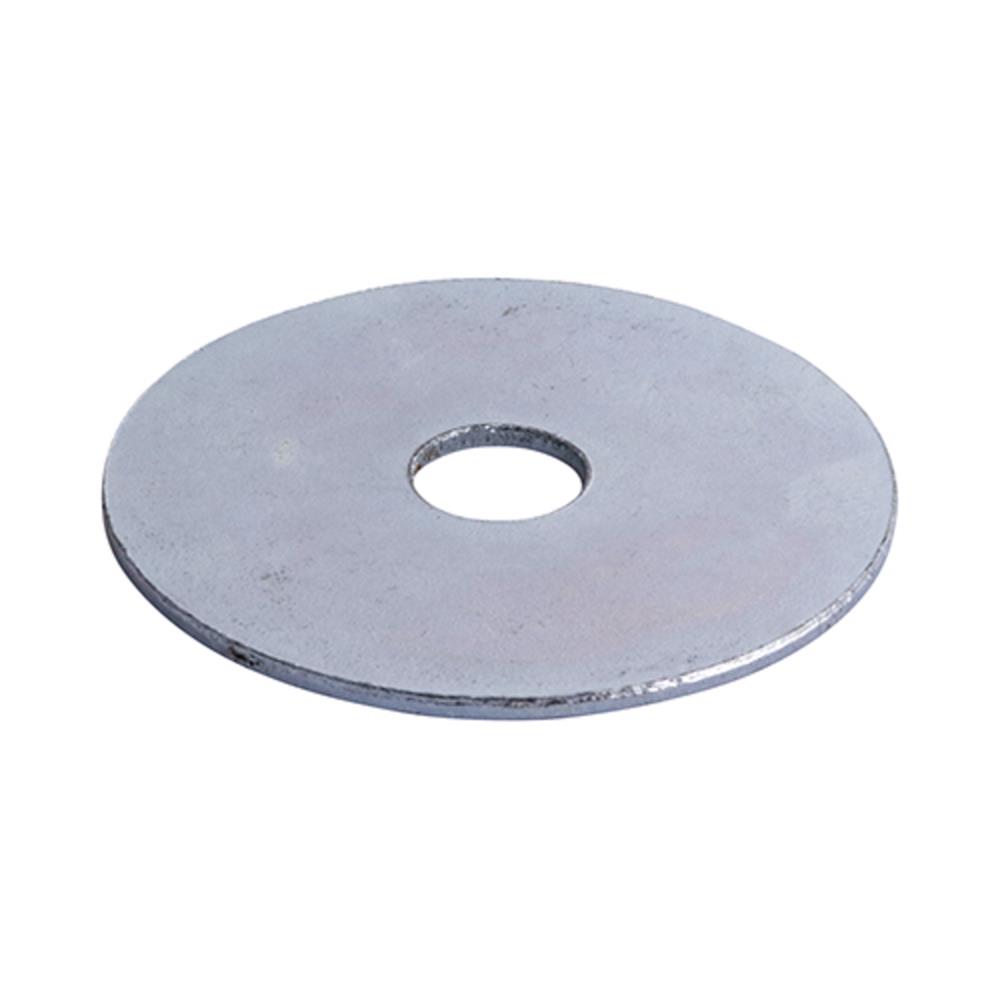 |
| Cloth or Towel | Helps protect the sink, catch small parts, and clean up any water during the repair. | |
| Plumber’s Grease | Helps lubricate moving tap parts and seals when reassembling the tap. | 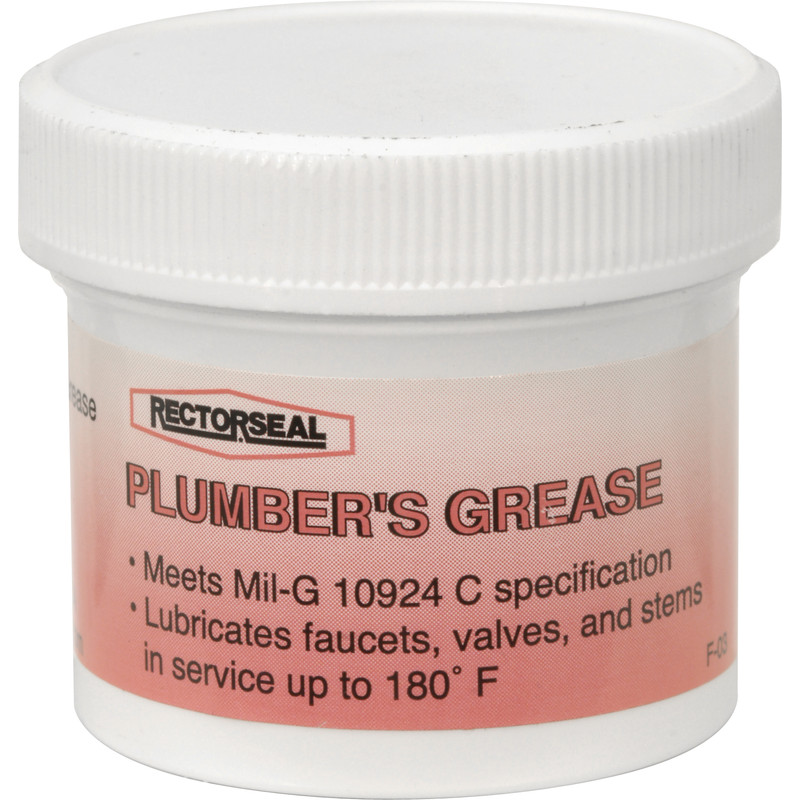 |
when to call a professional
If the tap continues leaking after replacing the washer or cartridge, the fitting is badly corroded, or you cannot turn off the water supply safely, it is best to contact a professional plumber.
You should also get professional help if the leak is coming from pipework underneath the sink, the tap base itself, or if you notice water damage around the surrounding units or walls.
Frequently Asked Questions
Why is my tap still dripping after replacing the washer?
If a tap is still dripping after replacing the washer, the problem could be caused by a damaged ceramic cartridge, worn O ring, loose fitting, or corrosion inside the tap body. Incorrectly fitted replacement parts can also prevent the tap from sealing properly.
Can a dripping tap increase your water bill?
Yes, a leaking or dripping tap can waste a surprising amount of water over time, especially if the leak is constant. Fixing a leaking tap quickly can help reduce water waste and lower household water bills.
What causes a leaking tap in kitchens and bathrooms?
Most leaking taps are caused by worn washers, damaged ceramic cartridges, ageing seals, or loose internal components. Regular use and water pressure gradually wear these parts down, allowing water to continue dripping even when the tap is turned off.
frequently asked questions
Why is my tap still dripping after replacing the washer?
If a tap is still dripping after replacing the washer, the problem could be caused by a damaged ceramic cartridge, worn O ring, loose fitting, or corrosion inside the tap body. Incorrectly fitted replacement parts can also prevent the tap from sealing properly.
Can a dripping tap increase your water bill?
Yes, a leaking or dripping tap can waste a surprising amount of water over time, especially if the leak is constant. Fixing a leaking tap quickly can help reduce water waste and lower household water bills.
What causes a leaking tap in kitchens and bathrooms?
Most leaking taps are caused by worn washers, damaged ceramic cartridges, ageing seals, or loose internal components. Regular use and water pressure gradually wear these parts down, allowing water to continue dripping even when the tap is turned off.
Learning these basic DIY skills will not turn you into a professional tradesman overnight, but they can help you handle common household problems with more confidence and less panic.
From resetting a tripped fuse and fixing a leaking tap to hanging shelves and unblocking toilets, these simple home maintenance skills can save time, money, and unnecessary stress when everyday problems appear around the house.
The more beginner DIY jobs you learn to tackle yourself, the easier it becomes to keep your home running smoothly and avoid turning small issues into expensive repairs.
Think we missed an essential life skill your dad should have taught you? Let us know in the comments and we might cover it in a future guide.