


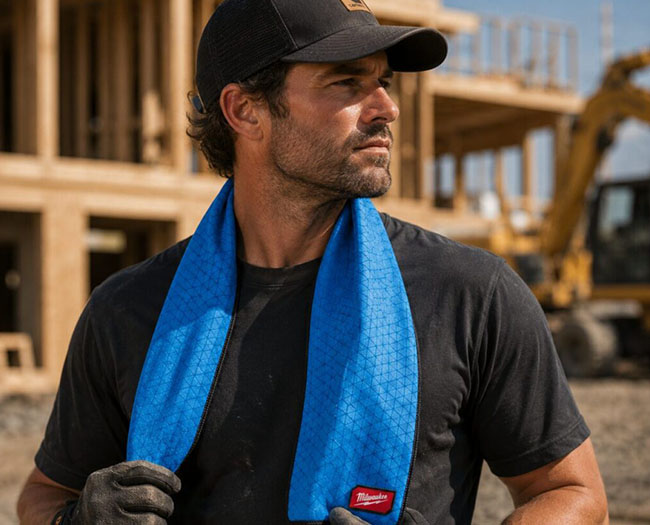
When the UK gets hit by a heatwave, most people head for the nearest beer garden, beach, or air conditioned office. Tradesmen don’t get that luxury.
Whether you’re roofing in direct sunlight, laying patios, building extensions, or working on a new build with no shade in sight, high temperatures can quickly turn a normal working day into a serious challenge. What starts as feeling a bit warm can soon become dehydration, heat exhaustion, reduced concentration, and an increased risk of accidents on site.
The good news is that staying cool during hot weather doesn’t require complicated equipment or expensive solutions. A few simple changes to your routine, clothing, and work area can make a huge difference when temperatures start climbing.
In this guide, we’ll look at practical ways to stay cool on site during a UK heatwave, recognise the warning signs of heat related illness, and highlight some useful products that can make working in hot weather much more comfortable.
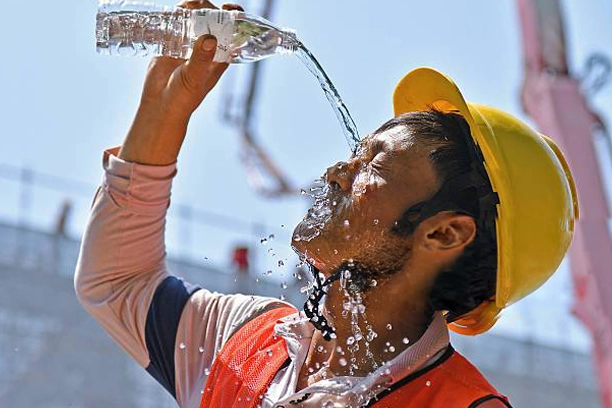
Why Heatwaves Are More Dangerous on Site Than You Think
Being uncomfortable is one thing. Being unsafe is another.
Working outdoors during a heatwave puts additional stress on your body. Long hours in direct sunlight, heavy PPE, physically demanding tasks, and limited access to shade can all increase the risk of heat related illnesses.
The effects are not always obvious straight away. Dehydration can reduce concentration and reaction times long before you actually feel thirsty. That means mistakes become more likely, and on a busy construction site, even a small lapse in concentration can have serious consequences.
Common heat related conditions include:
| Condition | Common Symptoms |
|---|---|
| Dehydration | Thirst, headache, tiredness |
| Heat Exhaustion | Dizziness, nausea, excessive sweating |
| Heat Stroke | Confusion, collapse, loss of consciousness |
If temperatures are high and you’re working outdoors for extended periods, prevention is always better than cure.
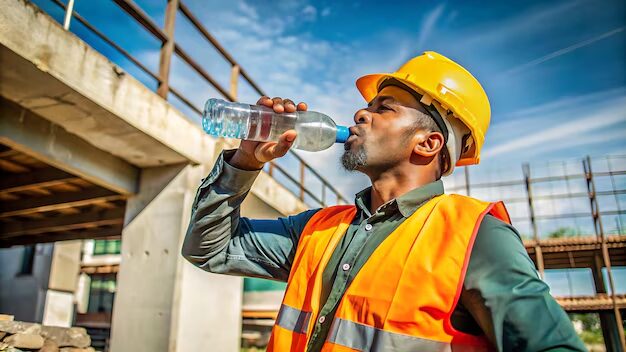
1. Start Hydrating Before You Get To Site
One of the biggest mistakes people make during hot weather is waiting until they’re thirsty before drinking water.
By the time you feel thirsty, you’re already becoming dehydrated.
Start drinking water before leaving for work and continue drinking regularly throughout the day. Small amounts often are generally more effective than drinking large quantities all at once.
If you’re sweating heavily, consider electrolyte drinks or tablets to help replace the salts and minerals your body loses during the day.
It’s also worth reducing energy drinks and excessive caffeine during extreme temperatures, as these can contribute to dehydration if they’re replacing water intake.
Quick Tip
Aim to drink water consistently throughout the day, not just during breaks.
2. Wear The Right Clothing
What you wear can have a huge impact on how comfortable you feel during a heatwave.
Heavy cotton clothing can quickly become hot, sweaty, and uncomfortable. Lightweight, breathable fabrics help regulate body temperature and improve comfort during long days outdoors.
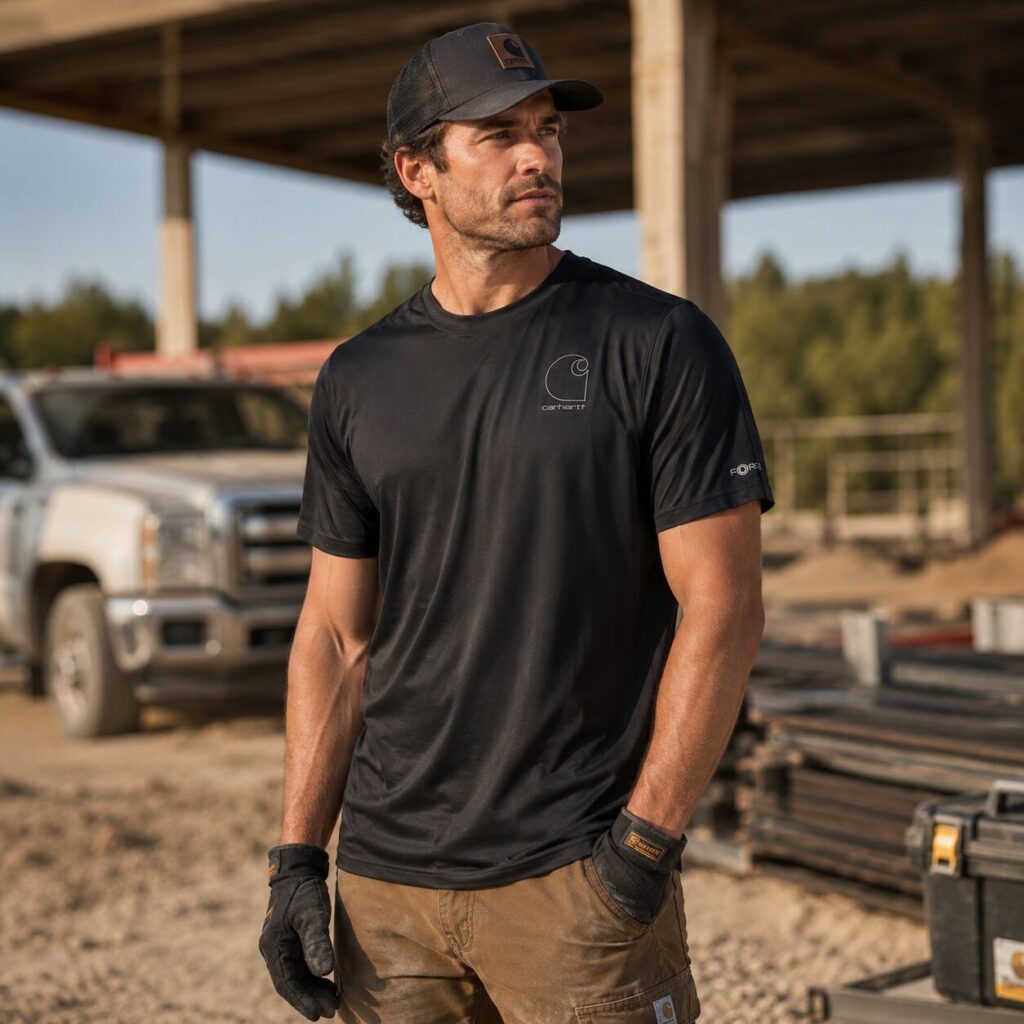
One option worth considering is the Carhartt Sun Defender Logo T Shirt.
Designed specifically for outdoor working conditions, it offers UPF sun protection while remaining lightweight and comfortable during hot weather. Unlike standard work t shirts, it helps reduce sun exposure without making you feel like you’re wearing an extra layer.
Combined with lightweight work trousers, breathable safety boots, and appropriate head protection, the right clothing can make a significant difference when temperatures rise.
3. Create Shade Wherever Possible
Not every job offers the luxury of working under cover.
New build sites, landscaping projects, roofing work, and external renovations often leave workers exposed to direct sunlight for most of the day.
Whenever possible, create dedicated shaded areas where workers can cool down during breaks, eat lunch, or simply get out of direct sunlight for a few minutes.
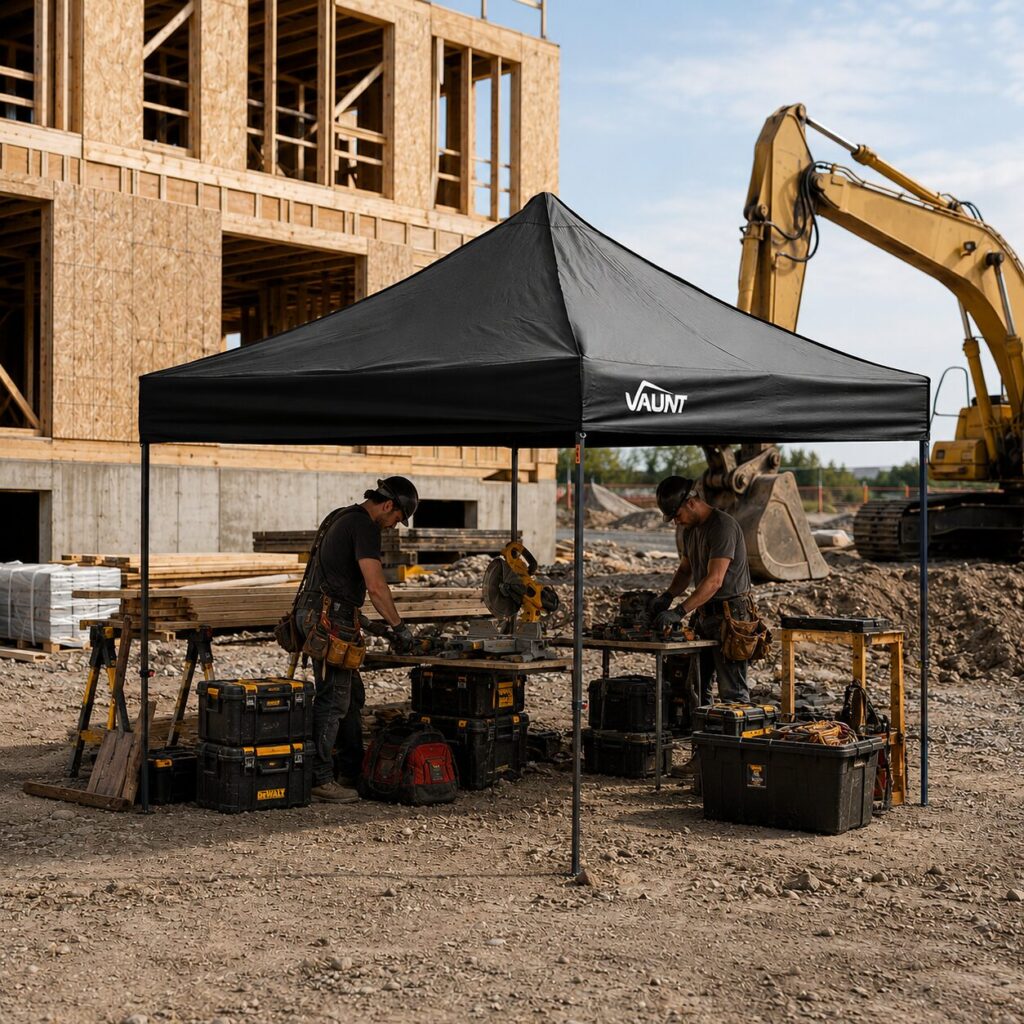
A simple solution is the Vaunt Steel Pop Up Gazebo 3m x 3m.
Quick to set up and easy to transport, it creates an instant shaded area that can be used for break zones, cutting stations, or outdoor workspaces. During particularly hot days, having somewhere to escape direct sunlight can make a noticeable difference to comfort levels and overall productivity.
Even short periods spent in the shade can help lower body temperature and reduce the risk of overheating.
4. Use Cooling Products That Actually Work
Most tradesmen are understandably sceptical of products that claim to keep you cool.
Some are gimmicks.
Some genuinely work.
Cooling towels fall firmly into the second category.
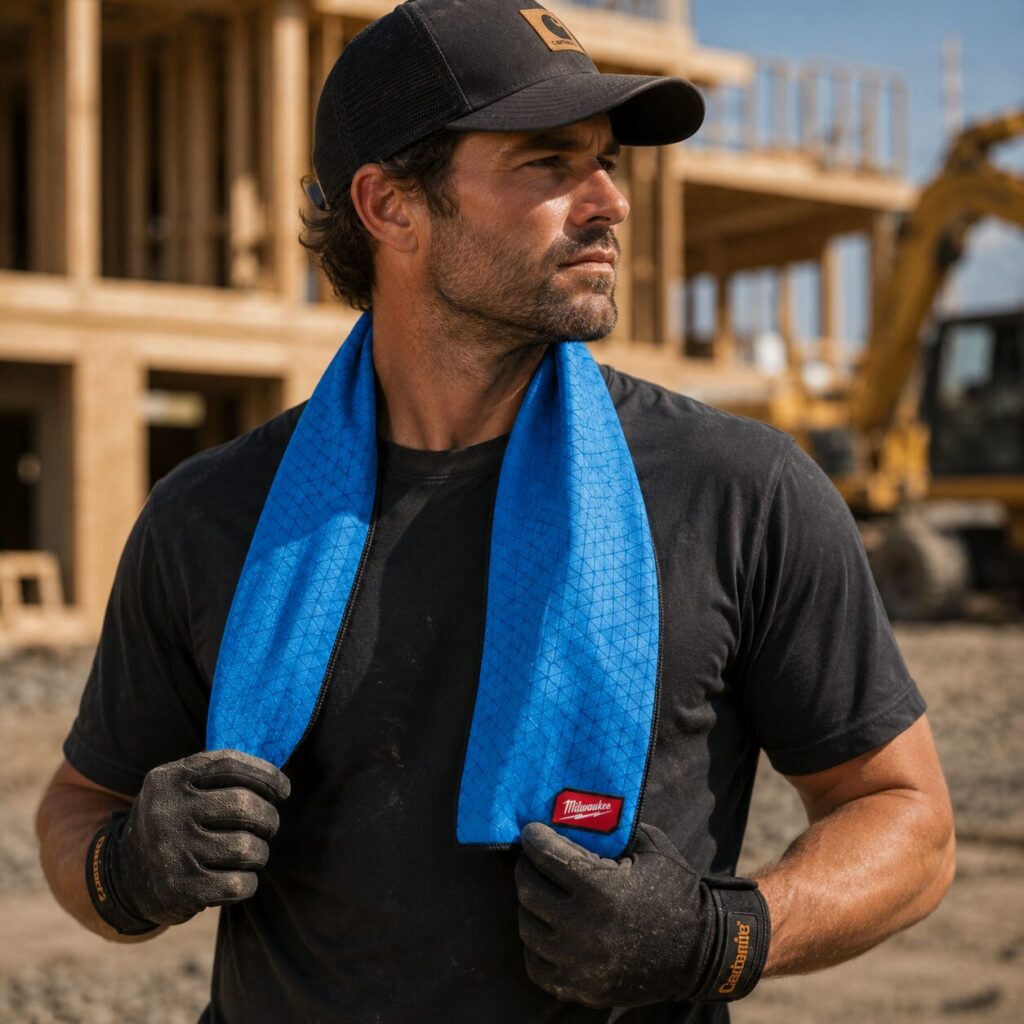
The Milwaukee Microfiber Cooling Towel is designed to provide immediate cooling relief simply by wetting it with water and placing it around your neck or head. As the moisture evaporates, it helps reduce skin temperature and provides a noticeable cooling effect.
They’re particularly useful during roofing work, landscaping projects, groundwork, and any job where direct sun exposure is unavoidable.
Because they’re lightweight and easy to carry, they can be used throughout the day whenever temperatures become uncomfortable.
It’s a simple solution, but during a heatwave, simple solutions are often the best ones.
5. Take Proper Breaks
Nobody likes losing productivity.
However, pushing through extreme heat without taking breaks can actually make you less productive in the long run.
Regular short breaks help your body regulate temperature, reduce fatigue, and maintain concentration levels.
Use break times to:
- Move into shade
- Drink water
- Remove unnecessary layers if safe
- Cool down before returning to work
Five minutes spent cooling down can often prevent much longer delays caused by fatigue, dehydration, or heat exhaustion later in the day.
6. Protect Your Skin From UV Exposure
When people think about heatwaves, they often focus on temperature.
The sun itself presents another challenge.
Construction workers and tradesmen can spend hours exposed to UV radiation, often without realising how much exposure they’re receiving.
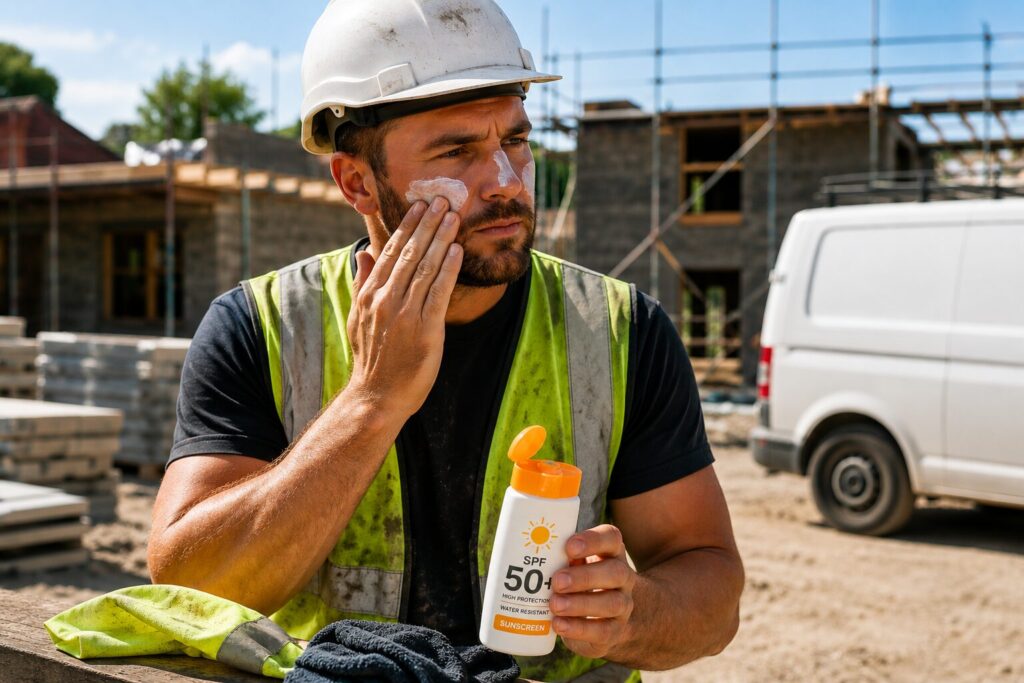
Applying a high factor sunscreen before work and reapplying it throughout the day can help reduce the risk of sunburn and long term skin damage.
Pay particular attention to:
- Neck
- Ears
- Face
- Arms
- Hands
These areas are often exposed throughout the working day and can easily be forgotten.
7. Know The Signs Of Heat Exhaustion
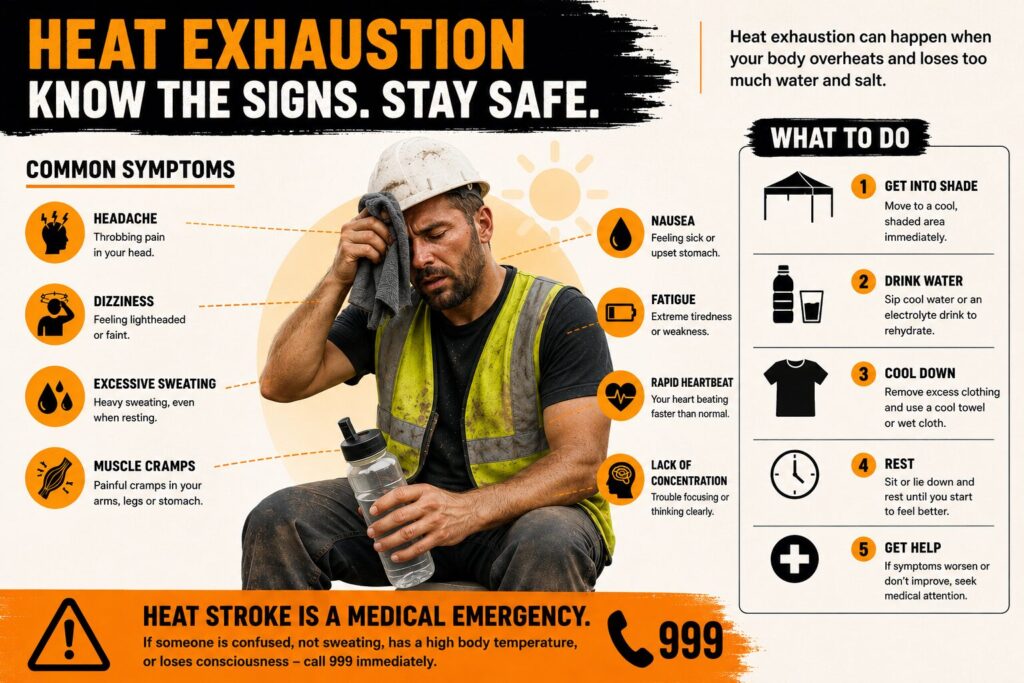
Recognising the symptoms early can prevent a more serious situation developing.
| Condition | Symptoms | Action Required |
|---|---|---|
| Dehydration | Headache, thirst | Drink water |
| Heat Exhaustion | Dizziness, nausea | Rest immediately |
| Heat Stroke | Confusion, collapse | Call emergency services |
If you or someone on site experiences these symptoms:
- Move into shade immediately
- Drink cool water
- Loosen or remove unnecessary clothing
- Rest until symptoms improve
If symptoms worsen or do not improve, seek medical assistance immediately.
Heat stroke is a medical emergency and should never be ignored.
Essential Summer Site Kit Checklist
Working during a heatwave becomes much easier when you’re properly prepared.
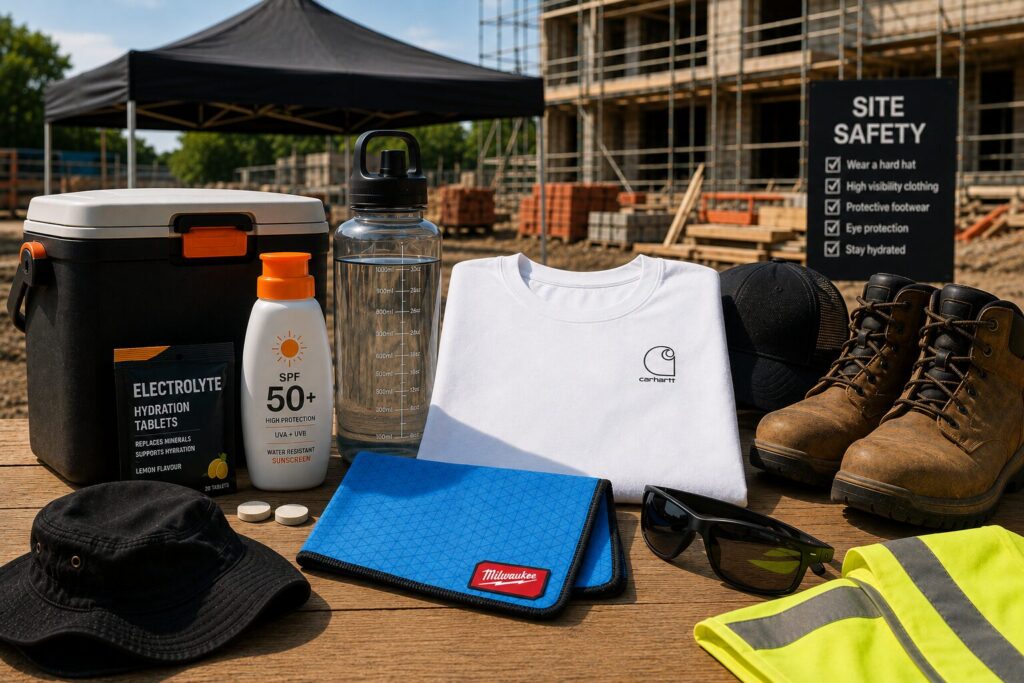
Summer Site Essentials
| Hydration | Sun Protection | Cooling |
|---|---|---|
| Water bottle | Sunscreen | Cooling towel |
| Electrolytes | UV workwear | Gazebo |
| Cool box | Sunglasses | Shade shelter |
Frequently Asked Questions
What temperature is too hot to work outside in the UK?
There is no legal maximum working temperature for outdoor work in the UK. However, employers still have a duty to ensure working conditions remain safe and to manage risks associated with extreme heat.
How much water should tradesmen drink during a heatwave?
Water requirements vary depending on workload and temperature, but workers should drink regularly throughout the day rather than waiting until they feel thirsty.
| Temperature | Recommended Intake |
|---|---|
| 20°C | 3-4 litres |
| 25°C | 4-5 litres |
| 30°C+ | 5-7 litres |
What temperature is too hot for construction workers?
There is no specific maximum temperature at which construction work must stop in the UK. However, employers have a legal duty to assess risks and ensure working conditions remain safe. When temperatures rise above 25°C, workers should take additional precautions such as drinking more water, taking regular breaks, wearing suitable clothing, and creating shaded rest areas where possible.
Can you wear shorts on a building site?
It depends on the site rules and the type of work being carried out. Many construction sites require workers to wear full length trousers to protect against cuts, abrasions, burns, and other hazards. Always check site specific PPE requirements before wearing shorts on site.
What should you do if someone collapses from heat?
If someone collapses due to heat, move them to a shaded or cool area immediately and call emergency services if they are unconscious, confused, having a seizure, or not responding normally. Remove excess clothing where safe to do so and use cool water, damp towels, or fans to help lower their body temperature. If they are conscious and able to swallow, encourage them to sip cool water. Never leave them alone and continue monitoring their condition until medical help arrives, as heat stroke can quickly become life threatening.
How do you prevent heat exhaustion?
The best way to prevent heat exhaustion is to stay hydrated, take regular breaks in shaded areas, wear lightweight breathable clothing, apply sunscreen, and avoid prolonged periods of direct sun exposure where possible. It’s also important to recognise early warning signs such as dizziness, headaches, excessive sweating, and fatigue before they become more serious.
Is it legal to stop work because of heat?
There is no UK law that sets a maximum outdoor working temperature. However, employers must carry out risk assessments and take reasonable steps to protect workers from heat related risks. If working conditions become unsafe, employers may need to adjust working hours, provide additional breaks, increase access to drinking water, or temporarily stop certain tasks until conditions improve.
What are the first signs of heat stroke?
Early signs of heat stroke can include confusion, difficulty concentrating, a rapid heartbeat, severe headache, dizziness, nausea, and unusually hot skin. Unlike heat exhaustion, a person suffering from heat stroke may stop sweating despite being extremely hot. Heat stroke is a medical emergency and requires immediate medical attention.
What is the difference between heat exhaustion and heat stroke?
Heat exhaustion causes symptoms such as dizziness, headaches, and excessive sweating. Heat stroke is much more serious and can cause confusion, collapse, and loss of consciousness. Heat stroke requires immediate medical attention.
Do cooling towels actually work?
Yes. Cooling towels use evaporative cooling to help reduce skin temperature. They’re particularly effective when used around the neck during periods of high heat.
Final Thoughts
Working through a UK heatwave is never going to be comfortable, but it doesn’t have to be miserable either.
Staying hydrated, wearing appropriate clothing, creating shade, taking regular breaks, and using practical cooling solutions can make a huge difference to both comfort and safety.
The key is preparation.
A bottle of water, a shaded break area, a cooling towel, and the right clothing might seem like small things individually, but together they can help you stay productive, comfortable, and safe when temperatures start soaring.
Because when everyone else is heading to the beach, somebody still has to get the job done.