


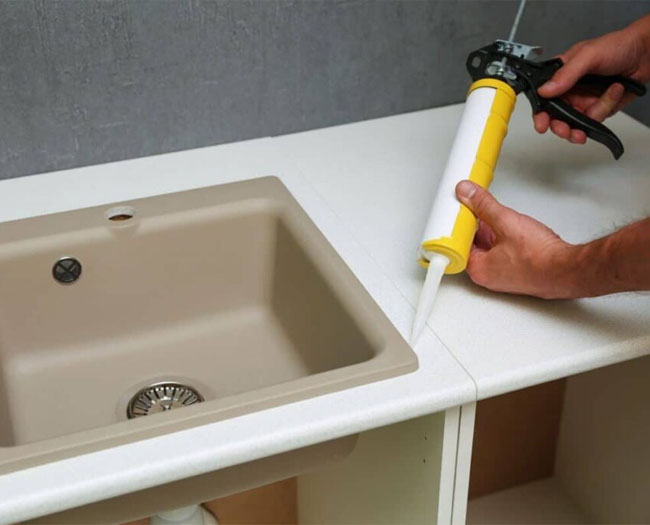
Whether you’re sealing a bath, fitting a new kitchen worktop, or weatherproofing around windows and doors, one question always comes up: how long does silicone take to dry?
The answer depends on several factors, including the type of silicone, the temperature, humidity levels, and how thick the sealant has been applied. While many silicone sealants become touch dry within a few hours, that doesn’t mean they’re fully cured and ready for use.
Using silicone too soon can lead to leaks, weak adhesion, and a poor finish, so it’s worth understanding the difference between drying and curing before you start your next project.
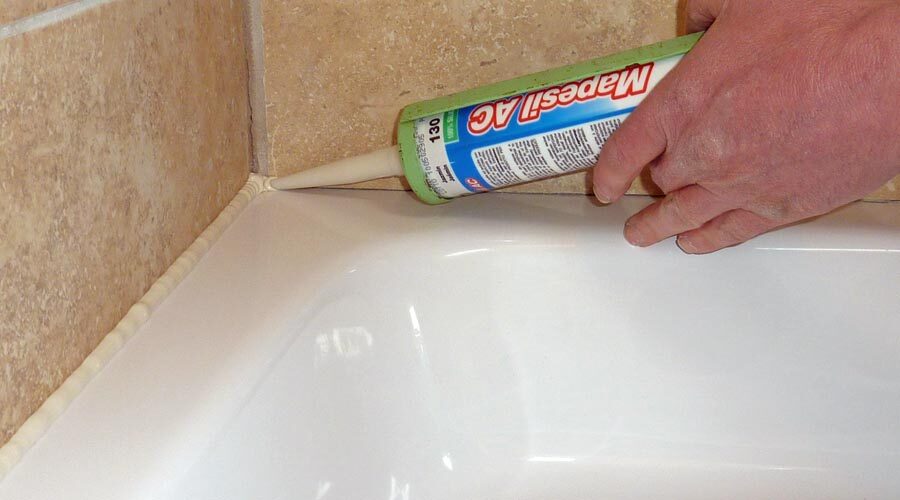
Quick Answer: How Long Does Silicone Take to Dry?
For most standard silicone sealants, you can expect the following:
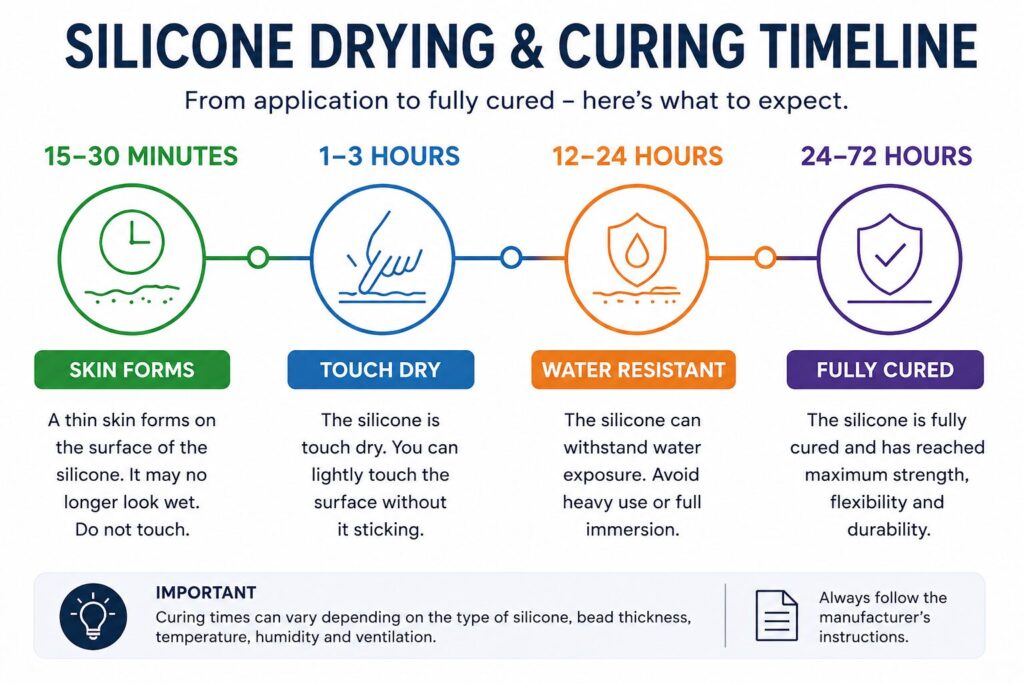
Always check the manufacturer’s instructions, as some fast curing products can cure much quicker, while specialist silicones may require longer.
What Is the Difference Between Drying and Curing?
One of the biggest misconceptions about silicone is that drying and curing mean the same thing.
Drying refers to the outer surface becoming touch dry. This usually happens fairly quickly, often within a few hours.
Curing refers to the chemical process that hardens the silicone all the way through. This takes much longer and is what gives the sealant its full strength, flexibility, and waterproof properties.
This means a bead of silicone may feel dry on the surface but still be soft underneath.
Using the area before the silicone has fully cured can compromise the seal and reduce its lifespan.
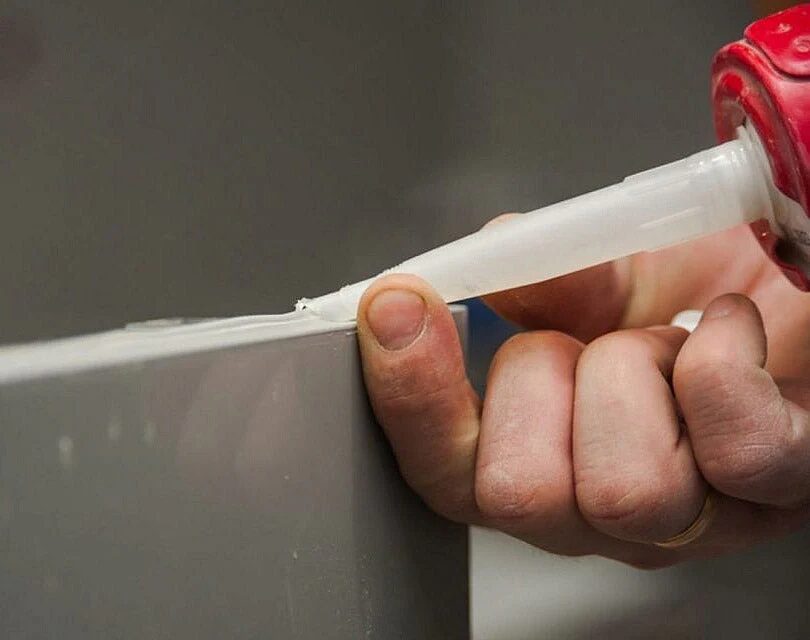
How Long Does Bathroom Silicone Take to Dry?
Bathroom silicone is specifically designed for wet environments such as showers, baths, sinks, and wet rooms.
Most sanitary silicone sealants will become touch dry within a few hours, but manufacturers typically recommend waiting at least 24 hours before exposing them to water.
If you’ve recently sealed around a bath or shower tray, it can be tempting to use it the same day. However, introducing water too early can prevent the silicone from curing properly and may lead to mould growth or premature failure.
For best results:
- Leave bathroom silicone for at least 24 hours before use
- Ensure good ventilation in the room
- Avoid touching or cleaning the sealant while it cures
- Follow the manufacturer’s curing recommendations
How Long Does Kitchen Silicone Take to Dry?
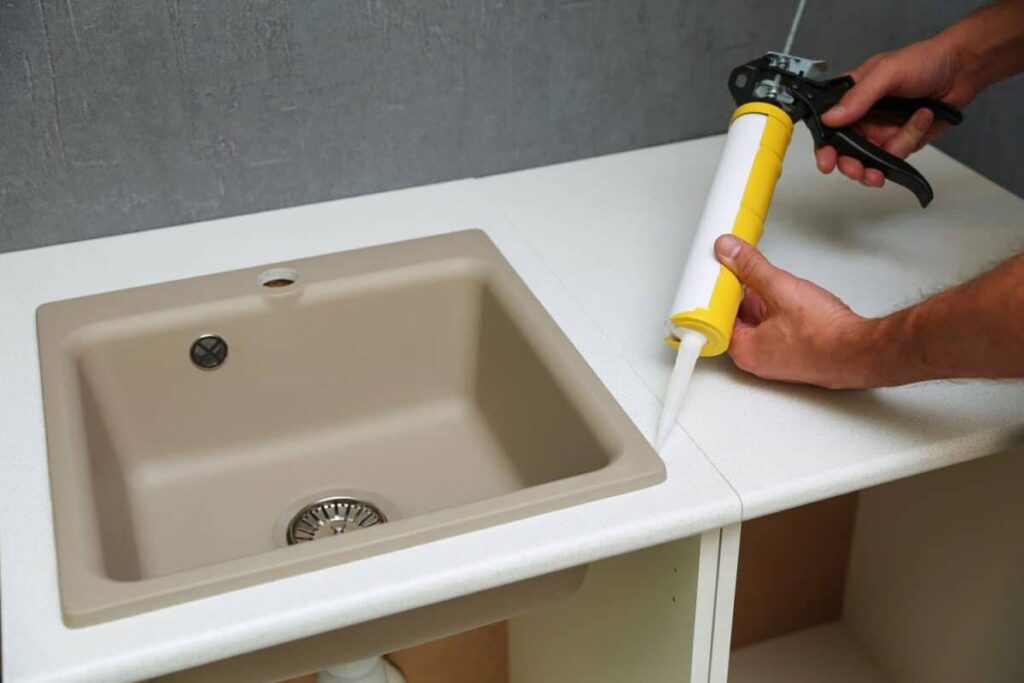
Kitchen silicone sealants generally cure at a similar rate to bathroom silicones.
Whether sealing around sinks, splashbacks, worktops, or kitchen fixtures, most products require between 24 and 72 hours to fully cure.
Because kitchens tend to be warmer and better ventilated than bathrooms, curing can sometimes happen slightly faster. However, it’s still advisable to avoid excessive moisture and cleaning until the sealant has fully cured.
What Affects Silicone Drying Time?
Several factors can influence how quickly silicone dries and cures.
Temperature
Warmer temperatures generally speed up the curing process.
Most silicone sealants perform best between 5°C and 40°C. Cold temperatures can significantly slow curing times, while extremely hot conditions can affect application quality.
Humidity
Unlike many adhesives and sealants, silicone actually cures by reacting with moisture in the air.
This means moderate humidity often helps silicone cure faster. Very dry environments can slow the process down.
Bead Thickness
The thicker the bead of silicone, the longer it will take to cure.
A thin bead around a sink may cure relatively quickly, while a large bead around a bath or expansion joint could take several days to fully cure.
Ventilation
Good airflow helps create consistent curing conditions and prevents moisture becoming trapped around the sealant.
| Condition | Effect on Cure Time |
|---|---|
| Warm and humid | Faster curing |
| Cold conditions | Slower curing |
| Thick bead | Slower curing |
| Thin bead | Faster curing |
| Good ventilation | Faster curing |
How Can You Tell If Silicone Has Fully Cured?
The easiest method is simply to follow the manufacturer’s recommended curing time.
However, fully cured silicone will generally:
- Feel firm but flexible
- No longer feel tacky
- Have a consistent appearance throughout
- Show no soft spots when gently pressed
Avoid testing the silicone too frequently during curing, as touching it can leave marks and affect the finish.
Shop Related Categories
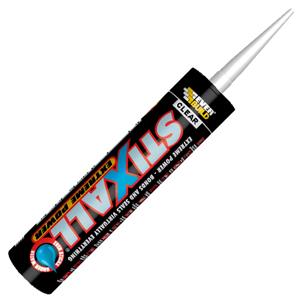
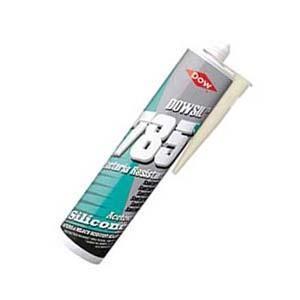

Why Is My Silicone Still Sticky?
If your silicone still feels sticky after several hours or even days, there could be a few reasons.
The Silicone Was Applied Too Thickly
Large beads take much longer to cure because moisture needs time to penetrate throughout the sealant.
The Temperature Is Too Low
Cold conditions can dramatically slow curing times, especially during winter months.
The Product Has Expired
Old or expired silicone may never cure properly. Always check the use by date before application.
Poor Ventilation
Enclosed areas with limited airflow can slow curing and leave the surface tacky for longer.
Not Enough Time Has Passed
Many people expect silicone to fully cure overnight. In reality, some products require up to 72 hours to reach full strength.
Which Silicone Dries Fastest?
Not all silicone sealants cure at the same speed. While most standard silicones become touch dry within a few hours, some specialist formulas are designed to get the job finished much faster.
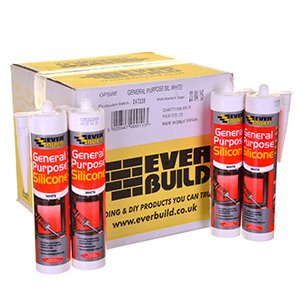
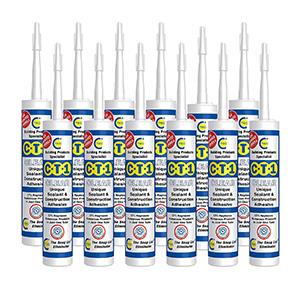
Fast cure silicone sealants are often the quickest option, with some products becoming water resistant within a few hours and fully curing in around 24 hours under the right conditions. These are ideal when a bathroom, kitchen, or work area needs to be back in use as quickly as possible.
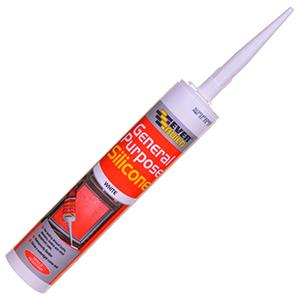
Sanitary silicone and general purpose silicone typically take longer, often requiring between 24 and 72 hours to fully cure. Hybrid sealants can also offer relatively quick curing times while providing the added benefit of being paintable, something traditional silicone cannot offer.
| Product Type | Typical Cure Time | Best For |
|---|---|---|
| Fast Cure Silicone | Around 24 Hours | Quick repairs |
| Sanitary Silicone | 24-72 Hours | Bathrooms |
| General Purpose Silicone | 24-48 Hours | Everyday sealing |
| Hybrid Sealant | 24 Hours | Paintable applications |
If speed is your priority, a fast cure silicone is usually the best choice. However, it’s always important to balance curing time with the specific requirements of the job, especially in high-moisture areas where long-term waterproof performance is critical.
Can You Speed Up Silicone Drying Time?
While you can’t force silicone to cure instantly, there are a few ways to help the process.
Keep the room warm and well ventilated.
Apply only the amount of silicone needed for the job.
Choose a fast curing sealant if quick turnaround is important.
Avoid exposing the sealant to water until it has cured properly.
What you shouldn’t do is try to dry silicone using direct heat from a heater or heat gun, as this can affect the sealant and compromise the finish.
Common Silicone Drying Times Comparison
| Silicone Type | Water Resistant | Full Cure |
|---|---|---|
| Bathroom Silicone | 12 to 24 hours | 24 to 72 hours |
| Kitchen Silicone | 12 to 24 hours | 24 to 72 hours |
| General Purpose Silicone | 12 to 24 hours | 24 to 48 hours |
| Fast Cure Silicone | 1 to 6 hours | Around 24 hours |
Frequently Asked Questions
Can I shower 12 hours after applying silicone?
It’s generally best to wait at least 24 hours before using a shower. Some fast curing products may allow earlier use, but always follow the manufacturer’s instructions.
What happens if silicone gets wet before it cures?
Water can interfere with the curing process, weaken adhesion, and reduce the effectiveness of the seal.
Does silicone dry faster in hot weather?
Warm temperatures can speed up curing, but excessive heat can make application more difficult.
Can you sleep in a room after applying silicone?
Most modern silicone sealants are safe once applied, but it’s best to keep the room well ventilated while curing. Strong vinegar-like odours from acetoxy silicone can be noticeable for several hours.
Can silicone cure in cold weather?
Yes, but curing will take longer. Many manufacturers recommend applying silicone above 5°C for best results.
Why does silicone take so long to cure?
Silicone cures by reacting with moisture in the air. This process happens gradually from the outside inward, which is why full curing can take several days.
How long should silicone dry before using a bath?
Most manufacturers recommend waiting at least 24 hours before filling or using a bath. Some fast cure products may allow earlier use, but always check the product instructions before exposing the sealant to water.
Can I paint over silicone?
Most standard silicone sealants cannot be painted. If you need a paintable finish, choose a paintable sealant specifically designed for decorating applications.
Final Verdict
Most silicone sealants become touch dry within a few hours, but that doesn’t mean they’re fully cured.
For bathroom and kitchen applications, it’s generally safest to allow at least 24 hours before exposing silicone to water, while full curing can take anywhere from 24 to 72 hours depending on conditions.
Patience pays off when working with silicone. Giving the sealant enough time to cure properly will help create a stronger, longer lasting, and fully waterproof seal that stands up to everyday use.