


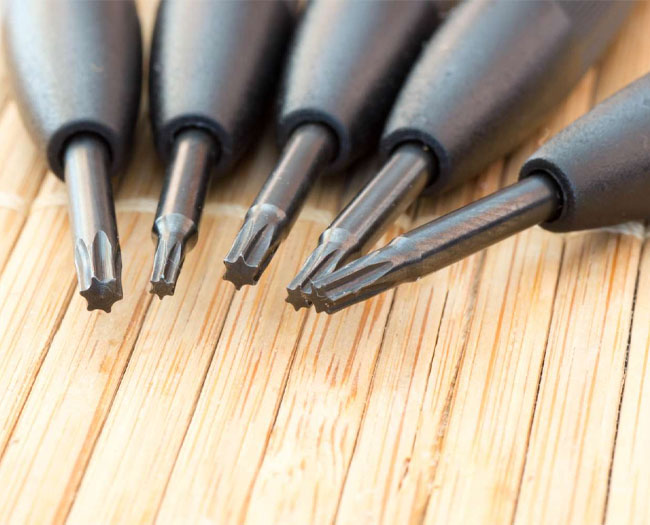
Using the wrong screwdriver might seem like a small mistake, but it can quickly lead to stripped screws, damaged fixings, and a lot of frustration. Whether you’re building furniture, wiring a consumer unit, fitting kitchen cabinets, or working on site, choosing the correct screwdriver makes every job faster, safer, and more efficient.
While most people recognise a flathead or Phillips screwdriver, there are actually several different screwdriver types designed for specific screws and applications. Some offer better grip, others allow greater torque, and some are specifically designed for electrical work.
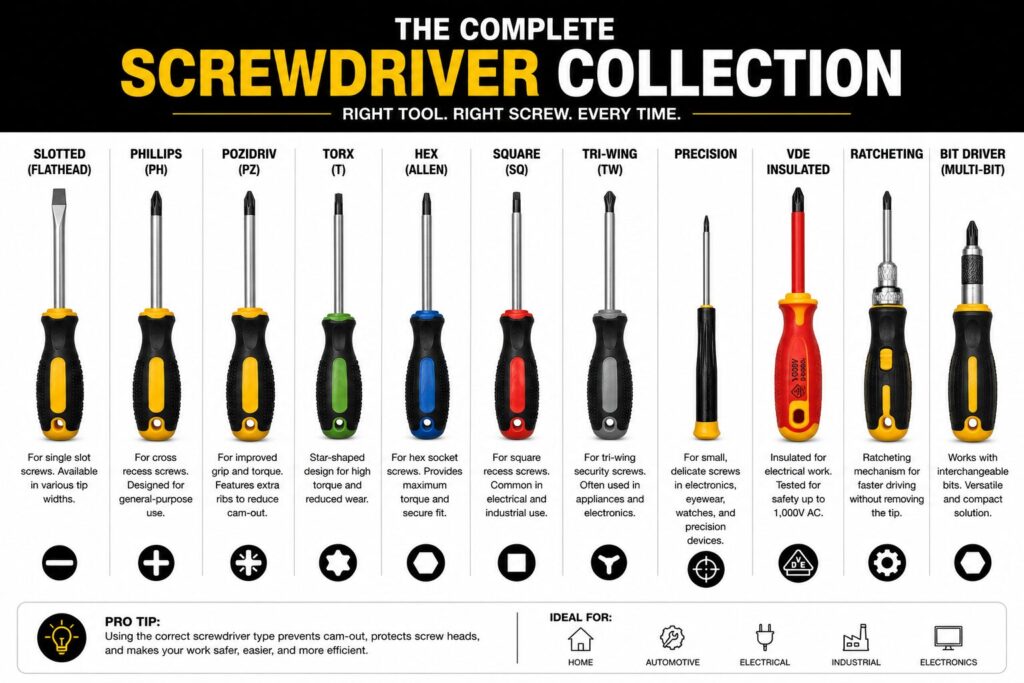
Screwdriver types can generally be divided into two groups. Drive profiles, such as Phillips, Pozidriv, Torx and hex, describe the shape that fits into the screw. Screwdriver formats, including VDE, precision, ratcheting and multi-bit drivers, describe how the tool is constructed or the type of work it is designed for.
In this guide, we’ll explain the most common types of screwdrivers, how they differ, and when you should use each one.
Why Does Screwdriver Type Matter?
Every screw head is designed to work with a matching driver tip. Using the wrong screwdriver can cause the driver to slip, damage the screw head, and make removal much more difficult later on.
Choosing the correct screwdriver helps:
- Reduce slipping and cam out
- Protect screw heads from damage
- Transfer more torque
- Improve safety
- Speed up installation
| Screw Type | Correct Driver | Common Use |
|---|---|---|
| Slotted | Flathead | Older fittings and terminals |
| Phillips | PH | General fixing applications |
| Pozidriv | PZ | Construction and woodworking |
| Torx | TX | Timber screws and automotive |
| Hex | Allen | Machinery and furniture |
| Square | Robertson | Specialist applications |
Pozidriv Screwdrivers
If you work in construction or woodworking in the UK, chances are the screwdriver you use most often is a Pozidriv.
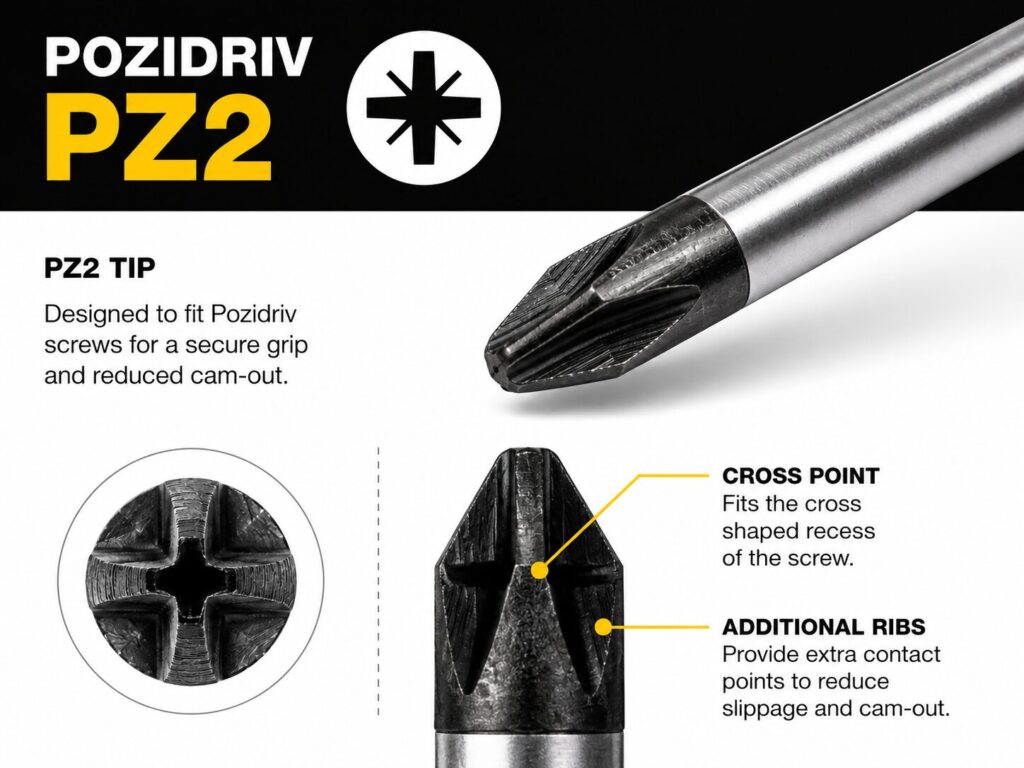
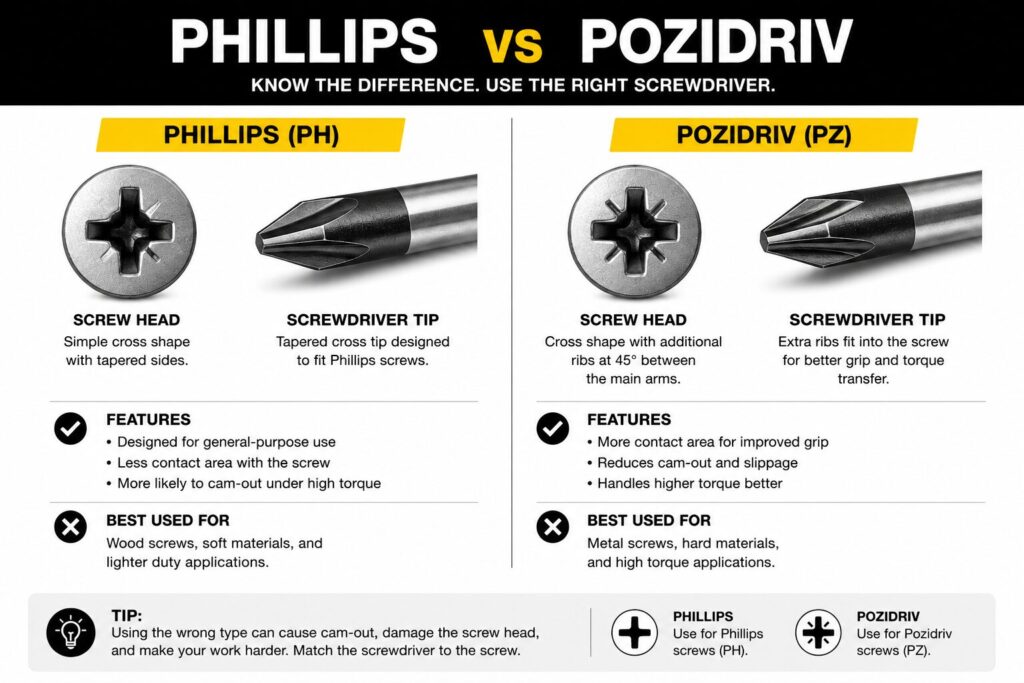
Pozidriv screwdrivers look similar to Phillips screwdrivers at first glance, but they feature additional ribs between the main cross sections. These extra contact points provide better grip and allow more torque to be applied without slipping.
Pozidriv drivers are available in several sizes, with PZ2 being by far the most common on UK building sites.
Common Uses
- Wood screws
- Chipboard screws
- Construction screws
- General carpentry work
- Joinery applications
Advantages
- Excellent grip
- Reduced cam out
- Better torque transfer
- Commonly available for hand and power-tool use
Phillips Screwdrivers
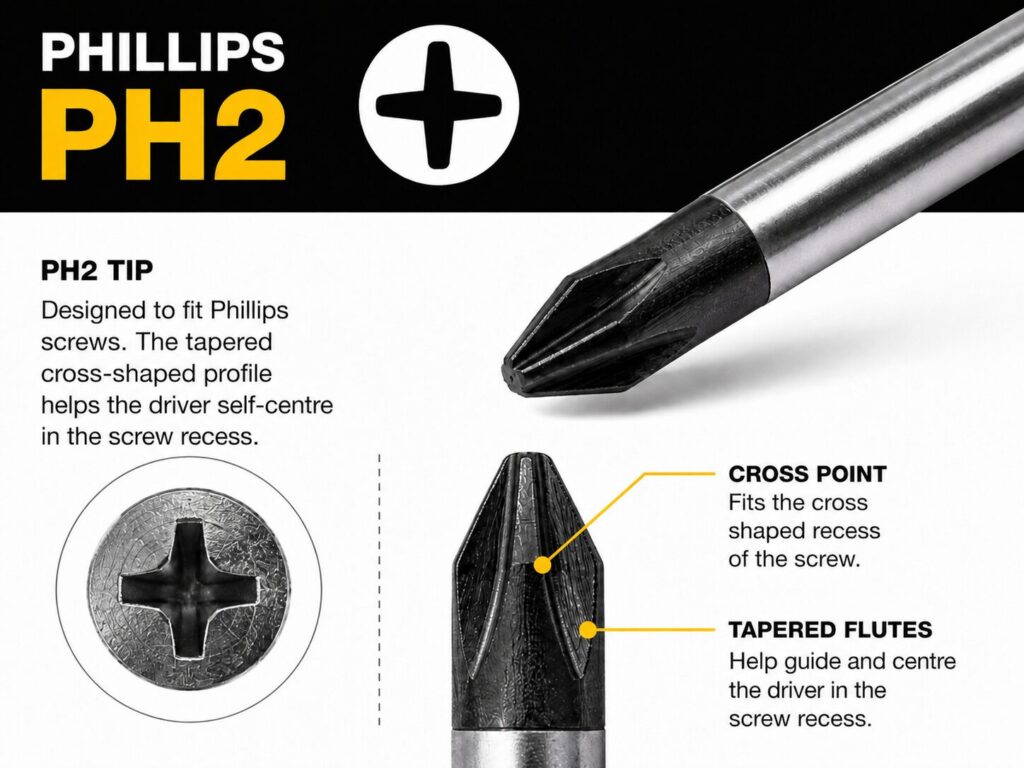
The Phillips screwdriver was developed to improve upon traditional slotted screws and quickly became one of the most widely used screw drive systems in the world.
Its cross shaped design allows the driver to self-centre within the screw head, making it easier to drive screws quickly.
While Phillips screws remain common, many UK tradesmen now favour Pozidriv for construction work because it offers greater grip and less slipping under load.
Common Uses
- Household fittings
- Electrical accessories
- Appliances
- Consumer products
- Imported fixings
Advantages
- Easy to use
- Widely available
- Self centring design
Pozidriv vs Phillips: What’s the Difference?
One of the most common mistakes people make is confusing Phillips and Pozidriv screwdrivers.
Although they appear similar, they are not interchangeable.
A Phillips driver used in a Pozidriv screw will often slip and damage the screw head. Likewise, a Pozidriv driver will not fit correctly into a Phillips screw.
| Feature | Phillips | Pozidriv |
|---|---|---|
| Extra ribs | No | Yes |
| Torque transfer | Good | Excellent |
| Cam out resistance | Lower | Higher |
| UK construction use | Moderate | Very High |
For most UK woodworking and construction applications, Pozidriv is usually the better choice.
Shop Related Categories
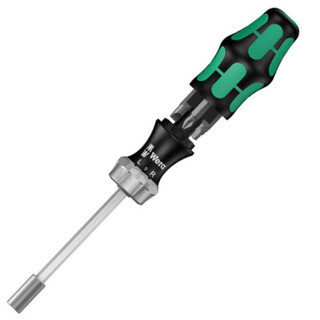
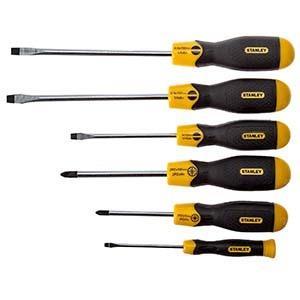
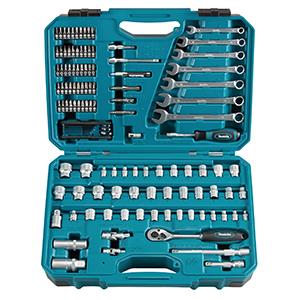
Flathead Screwdrivers
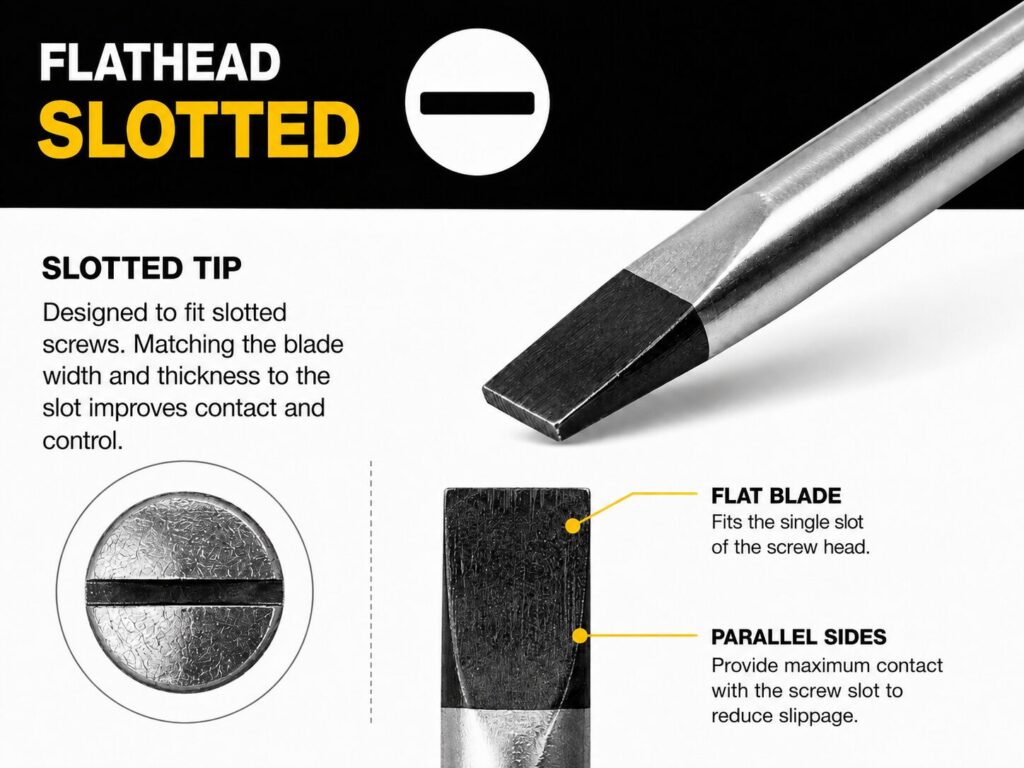
Also known as slotted screwdrivers, flathead drivers are among the oldest screwdriver designs still in use today.
Although they have largely been replaced by cross head and Torx screws in construction, they remain essential for many electrical and maintenance tasks.
Flathead screwdrivers are available in various blade widths and lengths to suit different applications.
Common Uses
- Electrical terminals
- Consumer units
- Decorative fittings
- Older screws
- General maintenance
Advantages
- Simple design
- Easy access to terminal screws
- Available in many sizes
Torx Screwdrivers
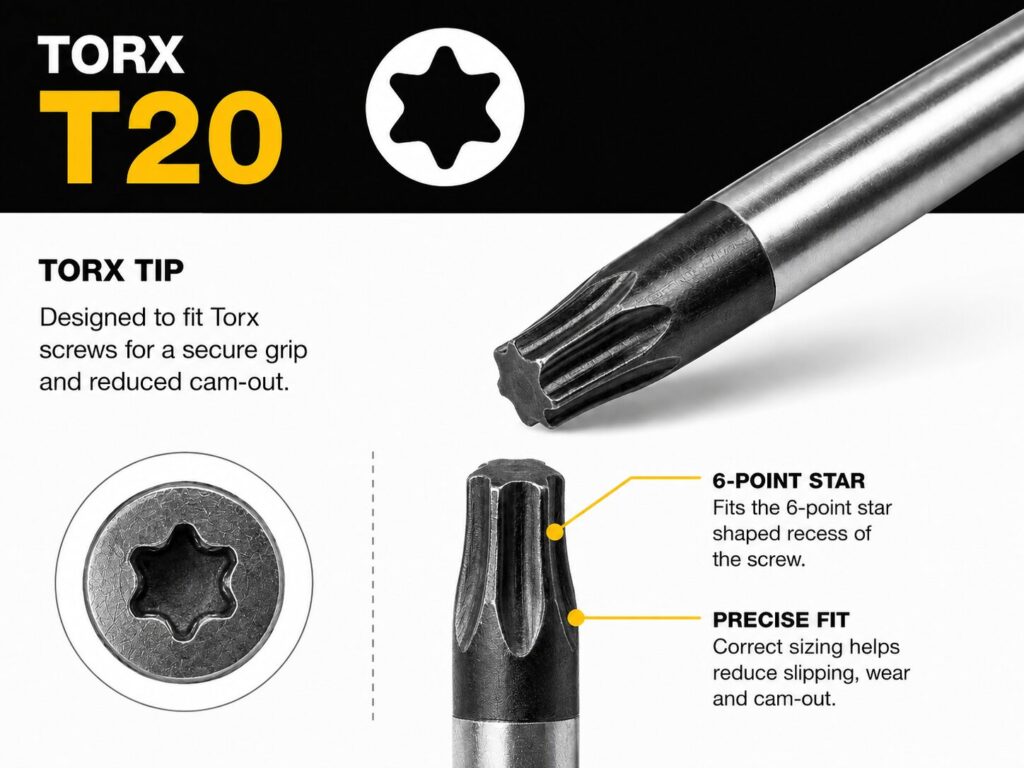
Torx screws feature a distinctive six pointed star shape and have become increasingly popular across construction, automotive, and engineering industries.
The design provides excellent contact between the screw and driver, allowing significantly more torque to be applied while reducing the chance of slipping.
Many modern timber screws and structural fixings now use Torx heads because of their superior performance.
Common sizes include T10, T15, T20, T25, T30 and T40.
Common Uses
- Timber construction
- Structural screws
- Automotive repair
- Machinery
- Engineering
Advantages
- Excellent torque transfer
- Minimal slipping
- Reduced screw wear
- Longer bit life
Hex and Allen Screwdrivers
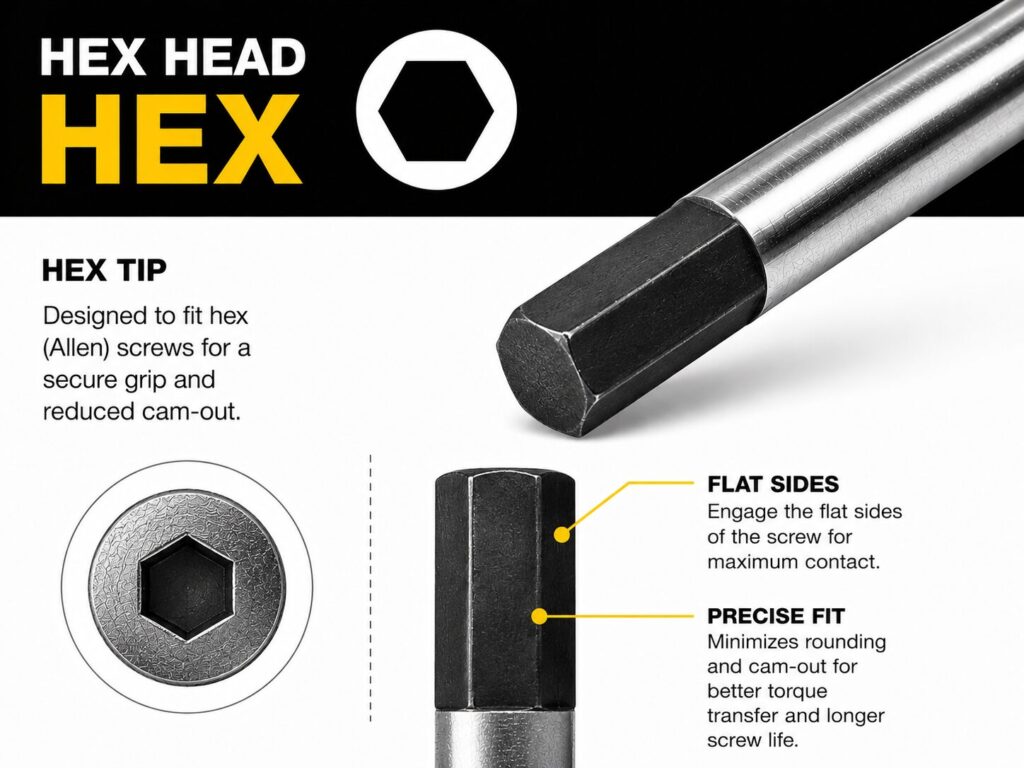
Hex screwdrivers, often called Allen drivers, use a six sided drive system.
These are commonly found on furniture, machinery, bicycles, and equipment where a compact, high strength fixing is required.
Hex drivers are available as traditional screwdrivers, T handle drivers, and Allen key sets.
Common Uses
- Flat pack furniture
- Industrial equipment
- Machinery maintenance
- Power tool servicing
- Bicycle repairs
Advantages
- Strong drive engagement
- Compact design
- Suitable for high torque applications
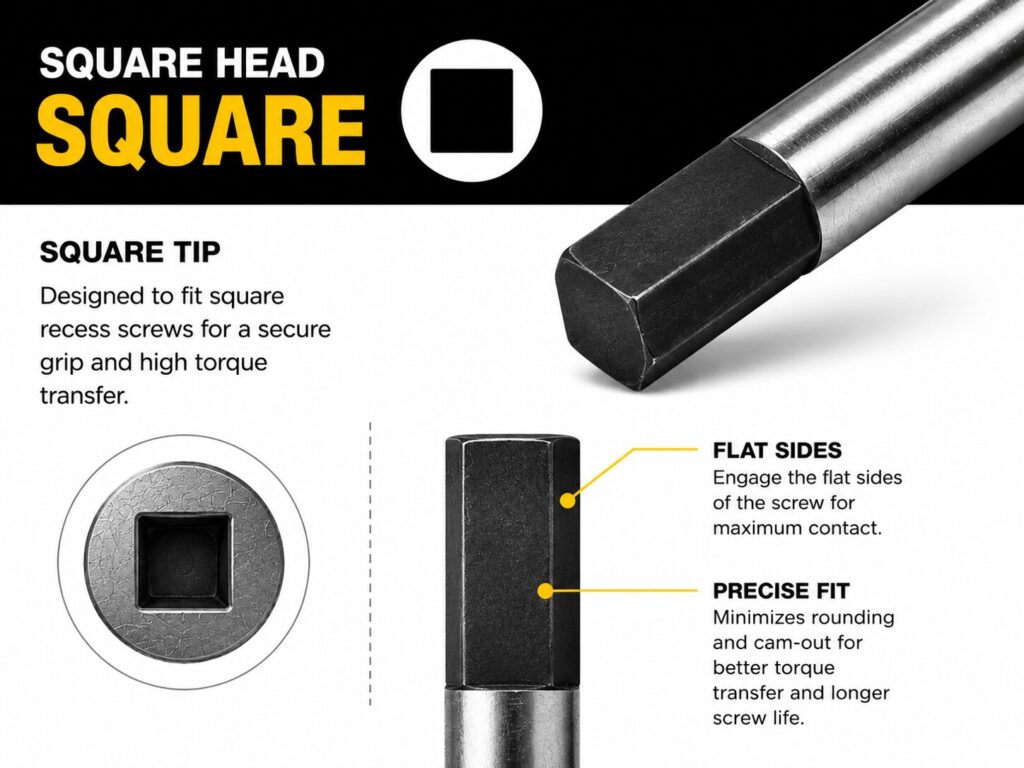
Square Screwdrivers
Square screwdrivers, often referred to as Robertson screwdrivers, feature a square shaped tip designed to fit matching square recess screws.
The Robertson drive system is known for its excellent grip and ability to hold screws securely on the driver tip, making one handed installation much easier.
Square screwdrivers are typically available in sizes ranging from SQ0 to SQ3, with larger sizes used for heavier duty fixings.
Common Uses
- Timber construction
- Decking systems
- Cabinet making
- Industrial manufacturing
- Specialist imported fixings
Advantages
- Excellent screw retention
- High torque transfer
- Reduced cam out
- Faster installation in repetitive applications
Precision Screwdrivers
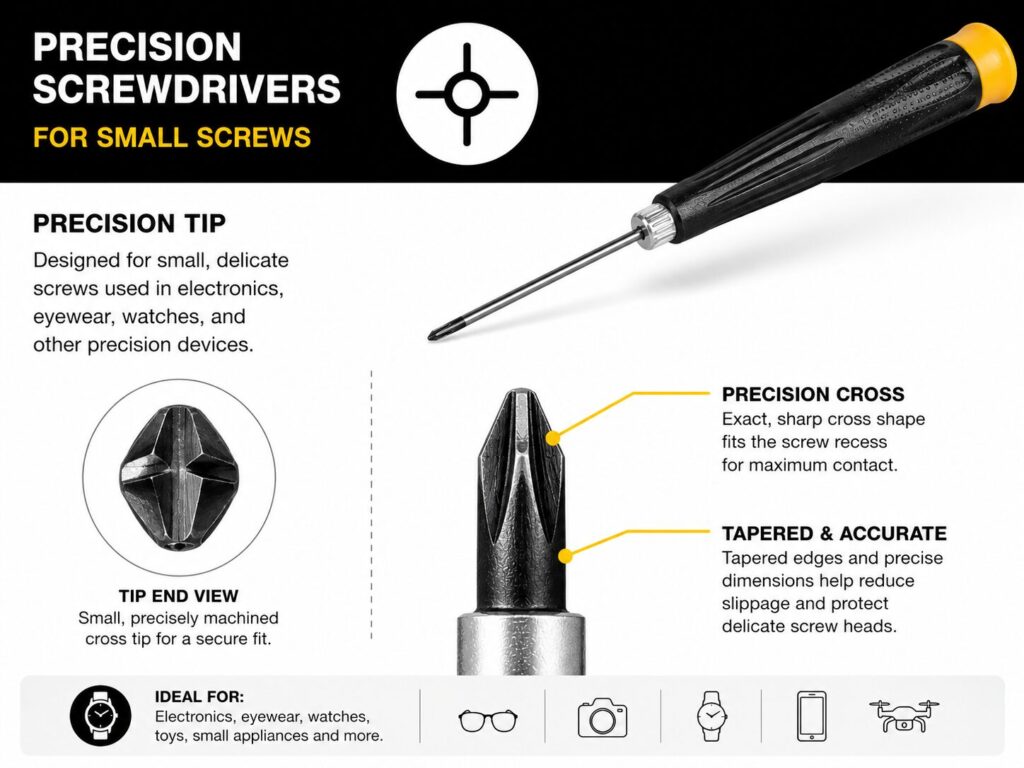
Precision screwdrivers are designed for delicate work where standard screwdrivers are simply too large.
They are commonly supplied in sets featuring multiple tip styles including Phillips, slotted, Torx, and Hex.
Common Uses
- Electronics
- Mobile phone repairs
- Watches
- Glasses
- Small appliances
Advantages
- Precise control
- Compact size
- Ideal for delicate components
VDE Insulated Screwdrivers
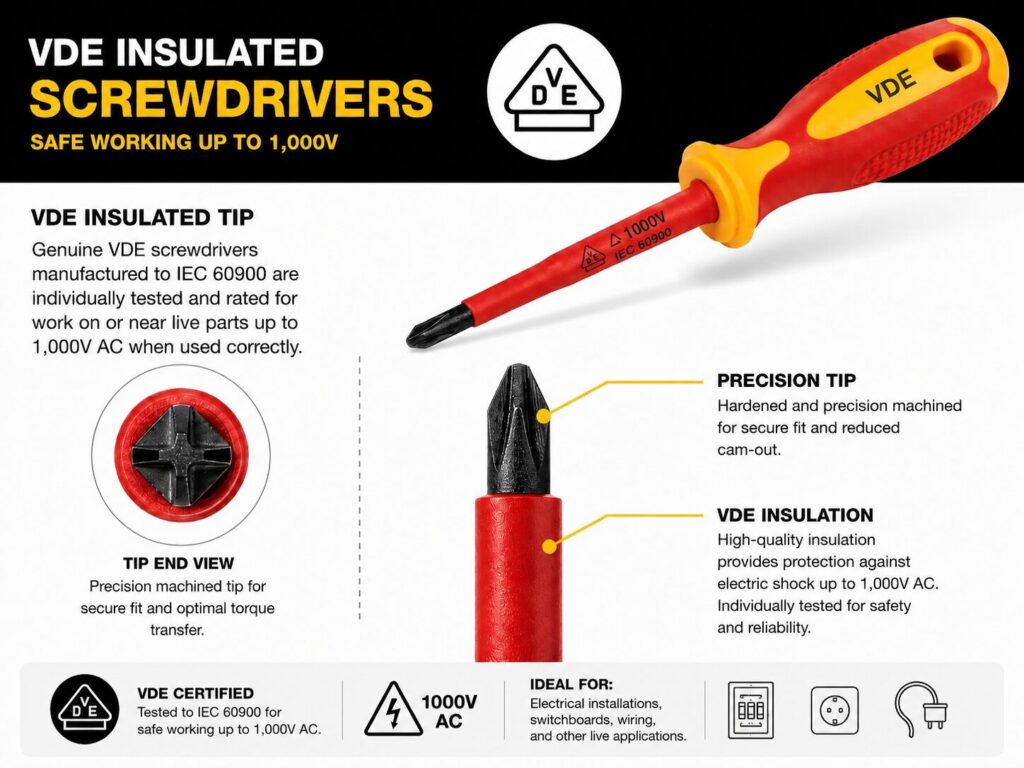
For electricians, VDE screwdrivers are an essential part of the toolkit.
These screwdrivers are insulated and tested to protect users when working on electrical systems. Genuine VDE screwdrivers manufactured to IEC 60900 are individually tested and rated for work on or near live parts up to 1,000V AC when used correctly.
VDE screwdrivers are available in several tip styles including flathead, Phillips, Pozidriv, and Torx.
Common Uses
- Consumer unit installation
- Electrical maintenance
- Electrical installation and servicing
- Commercial electrical work
- Domestic wiring
Advantages
- IEC 60900-rated options for work around live parts up to 1,000V AC
- Individually tested
- Comfortable insulated handles
- Essential for professional electricians
Electrical systems should be securely isolated and proved dead before work begins. VDE tools provide additional protection but do not replace safe isolation, appropriate training or any other required precautions.
Screwdriver Bits vs Traditional Screwdrivers
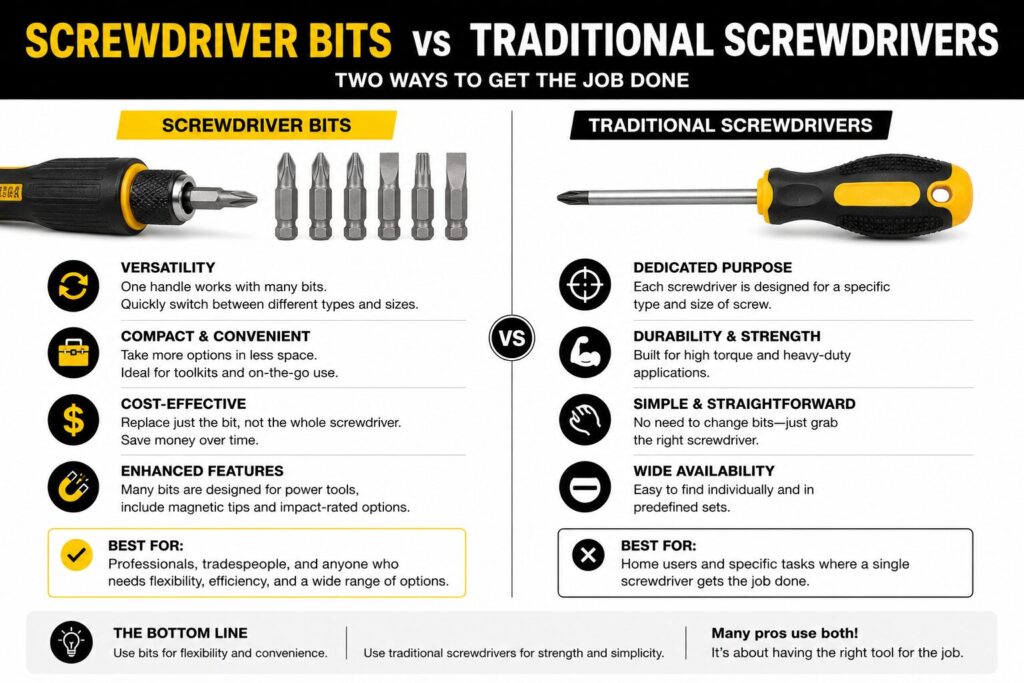
Many modern tradesmen now carry screwdriver bit sets alongside traditional screwdrivers.
Impact drivers and cordless drills allow bits to be swapped quickly between different screw types, making them ideal for high volume work.
Popular bit types include:
- PH1, PH2 and PH3
- PZ1, PZ2 and PZ3
- T10 to T40 Torx
- Hex bits
- Slotted bits
Traditional screwdrivers still offer greater control for delicate work, electrical installations, and final tightening.
Which Screwdrivers Do Tradesmen Use Most?
Different trades rely on different screwdriver types depending on the work they carry out.
| Trade | Most Common Screwdrivers |
|---|---|
| Carpenter | PZ2, Torx |
| Electrician | VDE Flathead, VDE PZ2 |
| Plumber | PZ2, Flathead |
| Kitchen Fitter | PZ2, Torx |
| Mechanic | Torx, Hex |
| Maintenance Engineer | Phillips, Torx, Hex |
For general site work, a PZ2 screwdriver and a selection of Torx drivers will cover the majority of tasks.
How to Identify Screwdriver Types
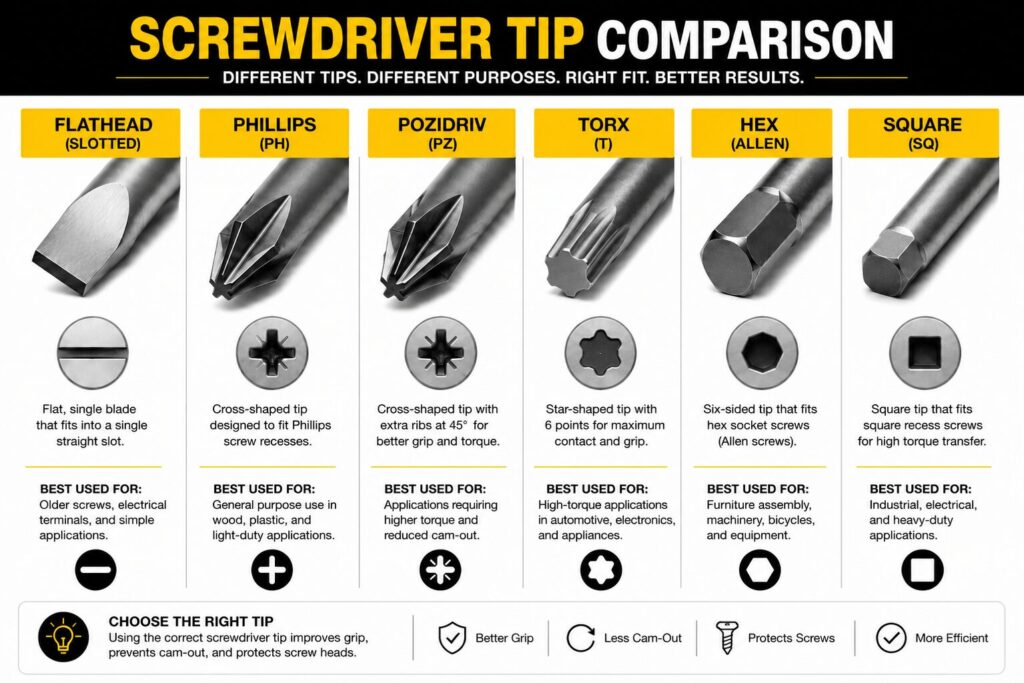
At first glance, many screwdrivers can look very similar. However, using the wrong screwdriver for a screw can lead to stripped heads, damaged fixings, and plenty of frustration. Fortunately, identifying screwdriver types is usually straightforward once you know what to look for.
The easiest way to identify a screwdriver is by examining the shape of its tip. Flathead screwdrivers have a single flat blade, Phillips screwdrivers feature a simple cross shape, while Pozidriv screwdrivers look similar but have additional smaller ribs between the main cross sections. Torx screwdrivers are easy to spot thanks to their distinctive six pointed star shape, while Hex or Allen drivers have a six sided profile designed to fit matching hexagonal fixings.
Many manufacturers also label their screwdrivers with the drive type and size. For example, a PZ2 marking indicates a Pozidriv size 2 screwdriver, while PH2 identifies a Phillips size 2. Torx screwdrivers are typically marked with a T number such as T20 or T25, and VDE insulated screwdrivers often feature bright red and yellow handles alongside certification markings.
If you’re unsure which screwdriver you need, compare the tip directly against the screw head. A correctly matched screwdriver should fit snugly into the fixing with minimal movement. If the driver feels loose or doesn’t fully engage, there’s a good chance you’re using the wrong type.
Frequently Asked Questions
What is the difference between Phillips and Pozidriv?
Pozidriv screwdrivers include additional ribs between the main cross sections, providing greater grip and reducing the likelihood of slipping.
Can you use a Phillips screwdriver on a Pozidriv screw?
Although it may appear to fit, using a Phillips screwdriver on a Pozidriv screw increases the risk of cam out and can damage the screw head.
What is the most common screwdriver size in the UK?
PZ2 is generally considered the most commonly used screwdriver size for construction, joinery, and woodworking applications.
What does VDE mean on a screwdriver?
VDE refers to Verband der Elektrotechnik Elektronik Informationstechnik, the German Association for Electrical, Electronic and Information Technologies. A VDE mark indicates that the tool has been tested and certified against applicable safety requirements. For insulated screwdrivers, also check for IEC 60900 marking and the correct voltage rating.
Are Torx screws better than Pozidriv?
Torx screws generally provide superior torque transfer and are less likely to strip, making them increasingly popular for structural and construction fixings.
Final Verdict
While there are many different screwdriver types available, most tradesmen regularly rely on just a handful of core drivers.
Pozidriv remains the most common choice for general construction work, Phillips is still widely used across household products, Torx continues to grow in popularity for timber and structural fixings, while VDE insulated screwdrivers remain essential for electrical installations.
By matching the correct screwdriver to the screw you’re working with, you’ll achieve cleaner results, work more efficiently, and avoid damaging both your tools and fixings.