


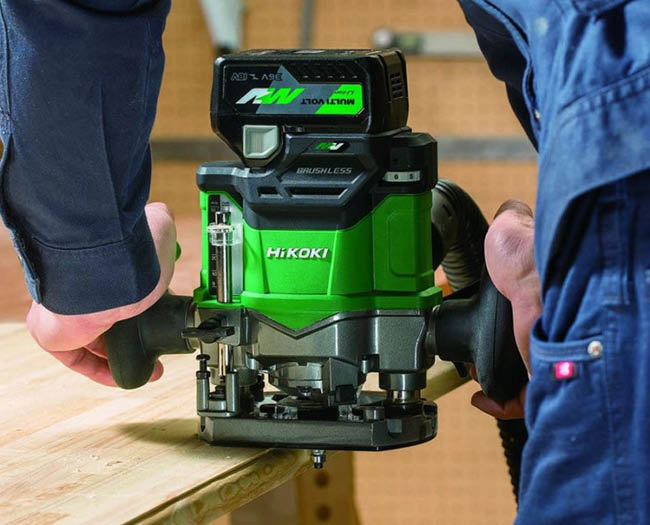
Routers have a bit of a reputation. They’re loud, fast, and look like the sort of tool you approach with both hands and a deep breath.
But once you understand what they do, a router quickly becomes one of the most useful and confidence-boosting tools in any workshop.
Whether you’re rounding over a shelf, cutting a hinge recess, or adding a clean decorative edge to a tabletop, a router is the secret to taking simple DIY and giving it a professional finish.

In this beginner’s guide, we’ll walk through the different types of routers, the bits that make the magic happen, the essential safety tips every newcomer should know, and the practical techniques that help you get clean, consistent results right from your first project.
If you’ve ever looked at a router and thought “that seems a bit much,” this guide will prove just how simple and versatile they really are.
What Is a Router and What Does It Do?
A router is essentially a high-speed motor that spins a cutting bit fast enough to shape, trim, or hollow out wood with incredible precision. The bit can rotate at up to 30000RPM, removing small amounts of material cleanly and accurately. Think of it like a pen for woodworking, except instead of ink, it leaves behind smooth edges, perfect grooves, and crisp profiles.
Routers commonly do two things:
- Cut into the surface of wood to create recesses, channels, mortices, and grooves.
- Shape or finish edges, improving both the look and feel of your project.
With one tool you can cut hinge mortices, shape furniture edges, trim plywood flush with a template, or create decorative mouldings. Because routers remove material gradually, beginners can work slowly, steadily, and confidently while still achieving professional-looking results.

Types of Routers Explained
Plunge Router
A plunge router is designed to start cutting from above.
You set the depth, lower the router into the wood, and begin shaping or hollowing from the middle of a board.
This makes it perfect for grooves, hinge recesses, inlays, and mortices.
They’re powerful and versatile, though often a little heavier.

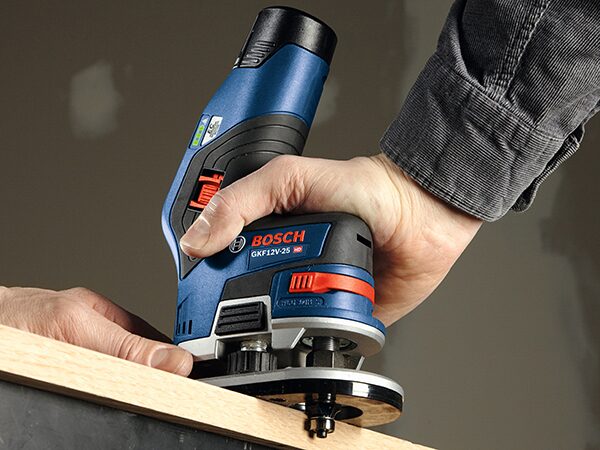
Fixed-Base or Trim Router
A fixed-base (or trim) router holds the bit at a constant depth.
Small, lightweight, and easy to control, they’re ideal for edge work, laminate trimming, light profiling, and anything requiring accuracy and visibility.
Many beginners start here because they feel friendly and predictable.
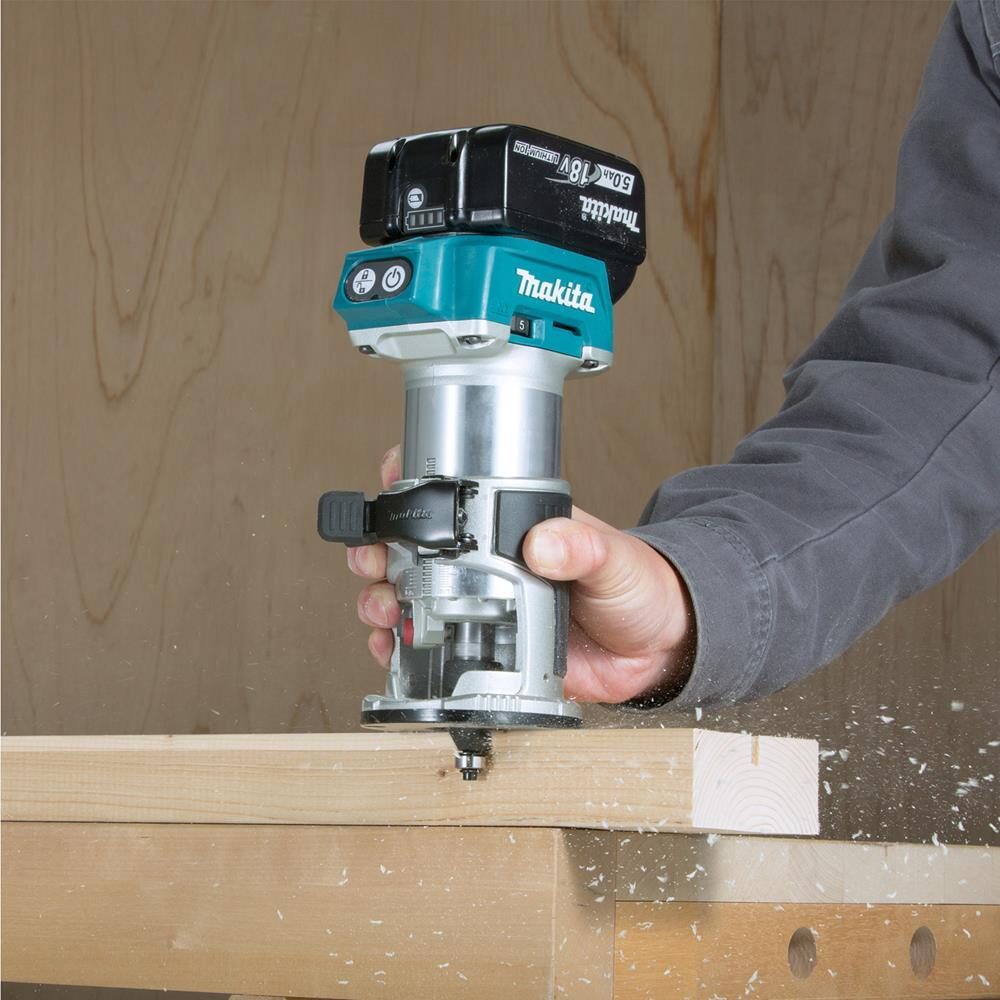
Cordless Compact Routers
Cordless routers combine the ease of a trim router with the freedom of no cable.
For around 90% of basic routing tasks, from rounding over boards to cutting recesses, a compact cordless router is more than powerful enough and extremely beginner-friendly.
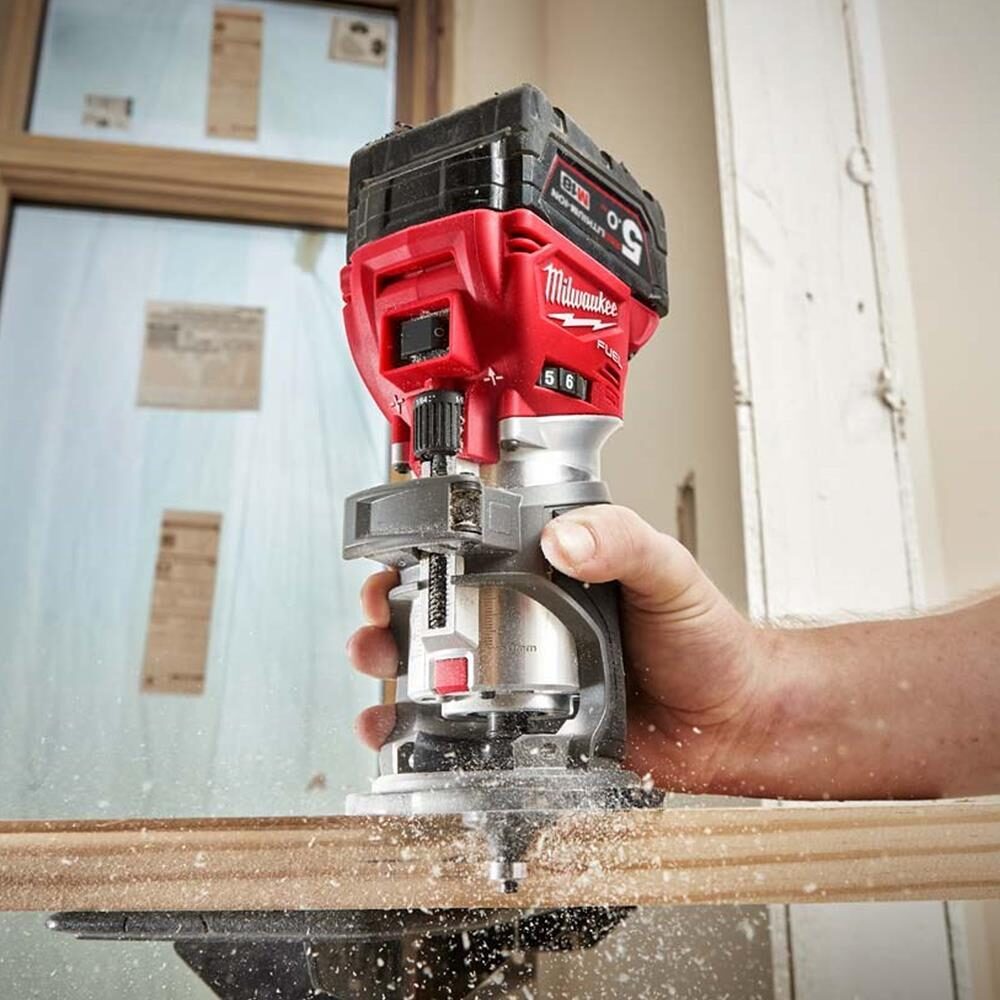
Router Bits: The Part That Does the Work
If the router is the engine, the bit is the blade. Choosing the right bit makes the difference between a clean, controlled cut and something that looks like it lost an argument with a beaver. Most bits fall into a few common categories:
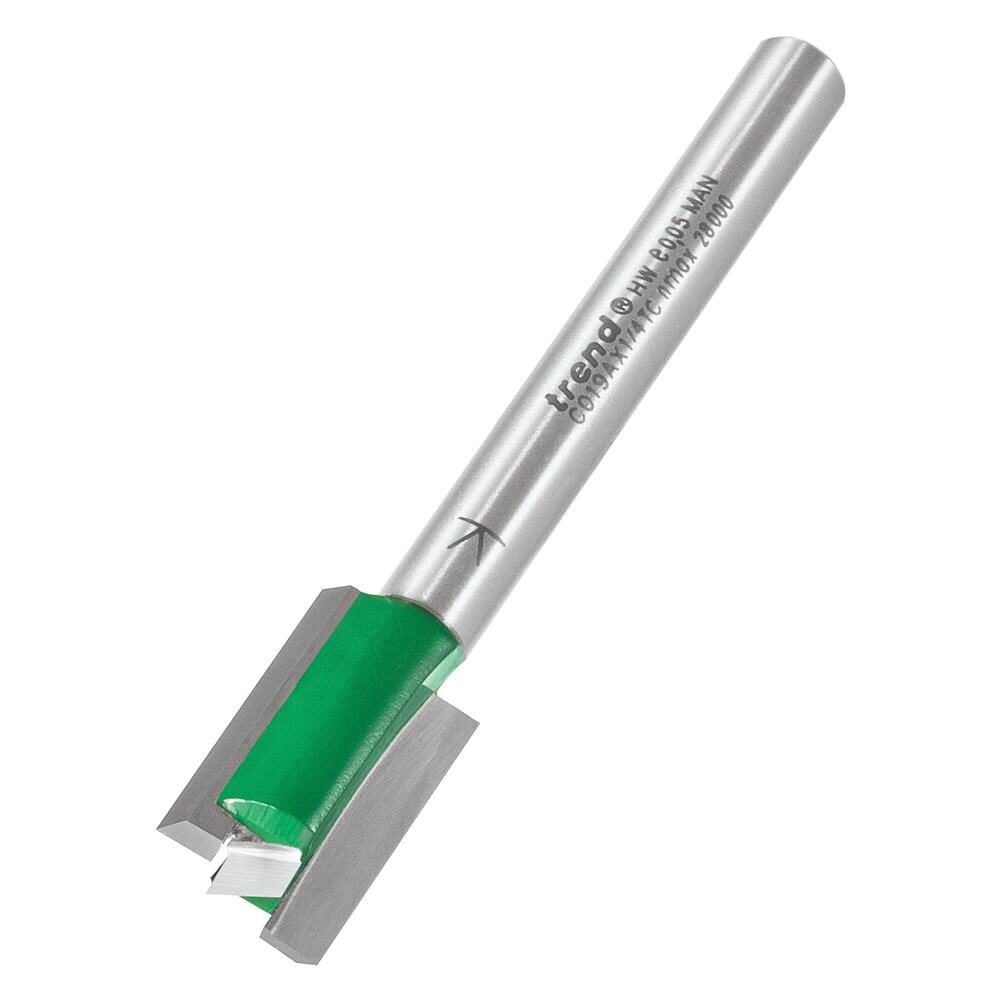
Straight Bits
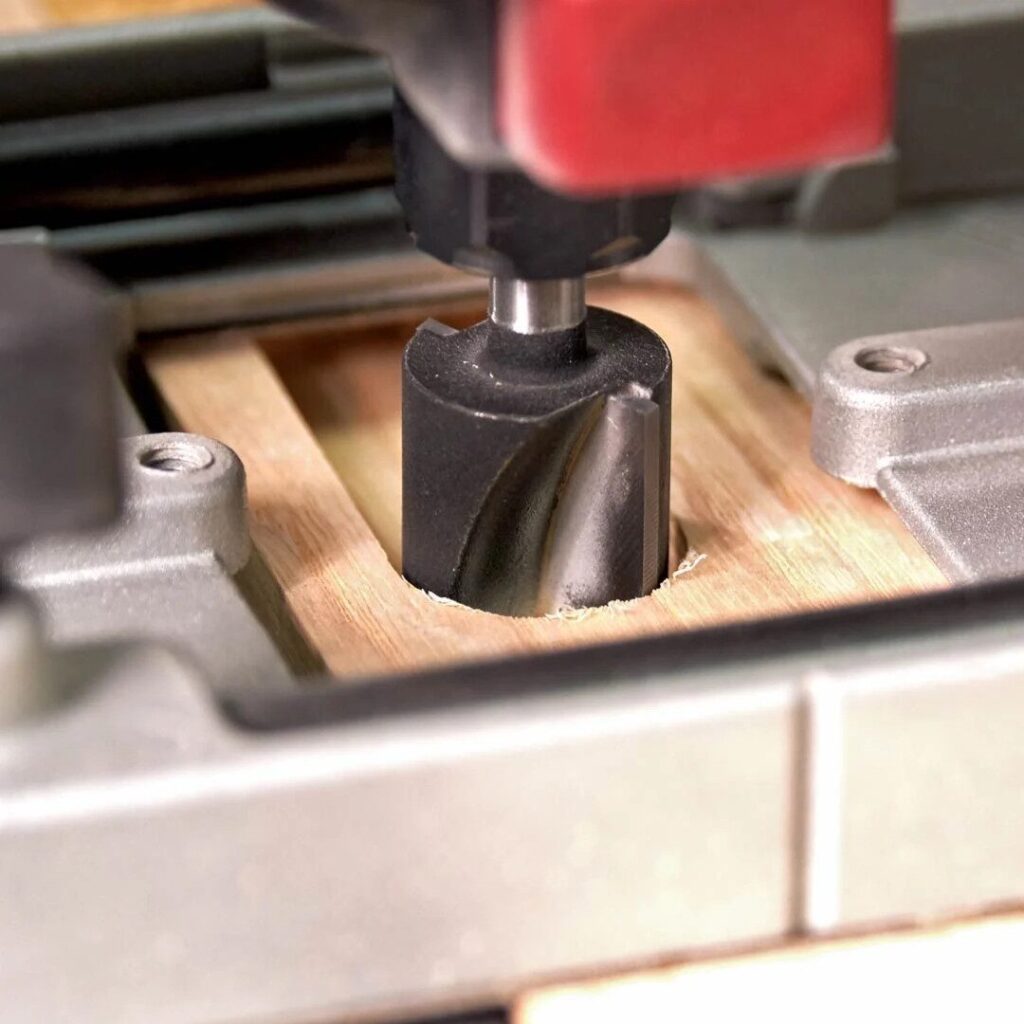
Straight bits are one of the most common and versatile router bits, used to cut clean, flat-bottomed grooves, dados, channels, and recesses directly into wood.
They are ideal for practical tasks such as shelf slots, wiring channels, mortices, and hinge recesses, offering precise control over cut width and depth.
When used with a guide fence or straight edge and cut in shallow passes, they produce straight, consistent results that are especially beginner-friendly.
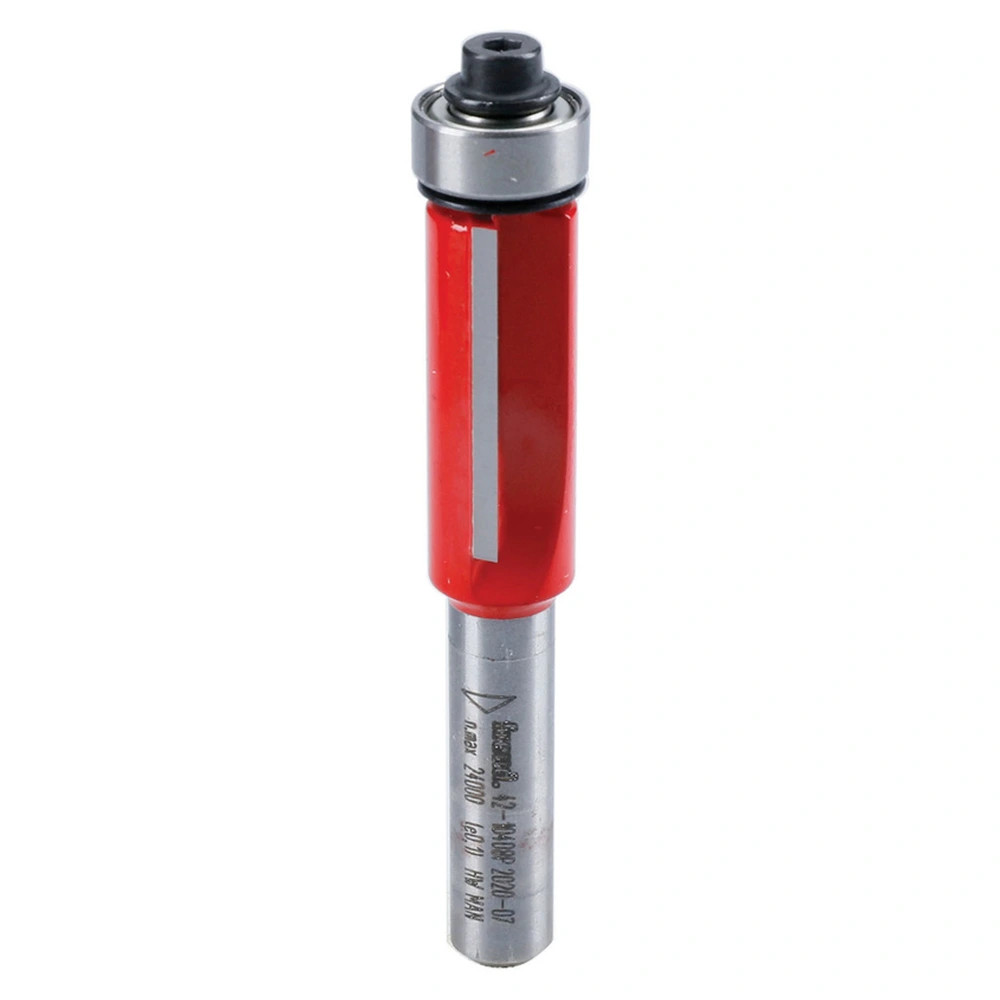
Flush Trim Bits
Flush trim bits use a small guide bearing to follow a template or an existing edge, allowing you to trim material to an exact shape with high accuracy.
They are ideal for copying patterns, trimming overhanging edges, and producing perfectly flush finishes on plywood, laminates, or worktops.
This controlled, guided cutting makes them especially useful for repeatable work and clean results, even for beginners.
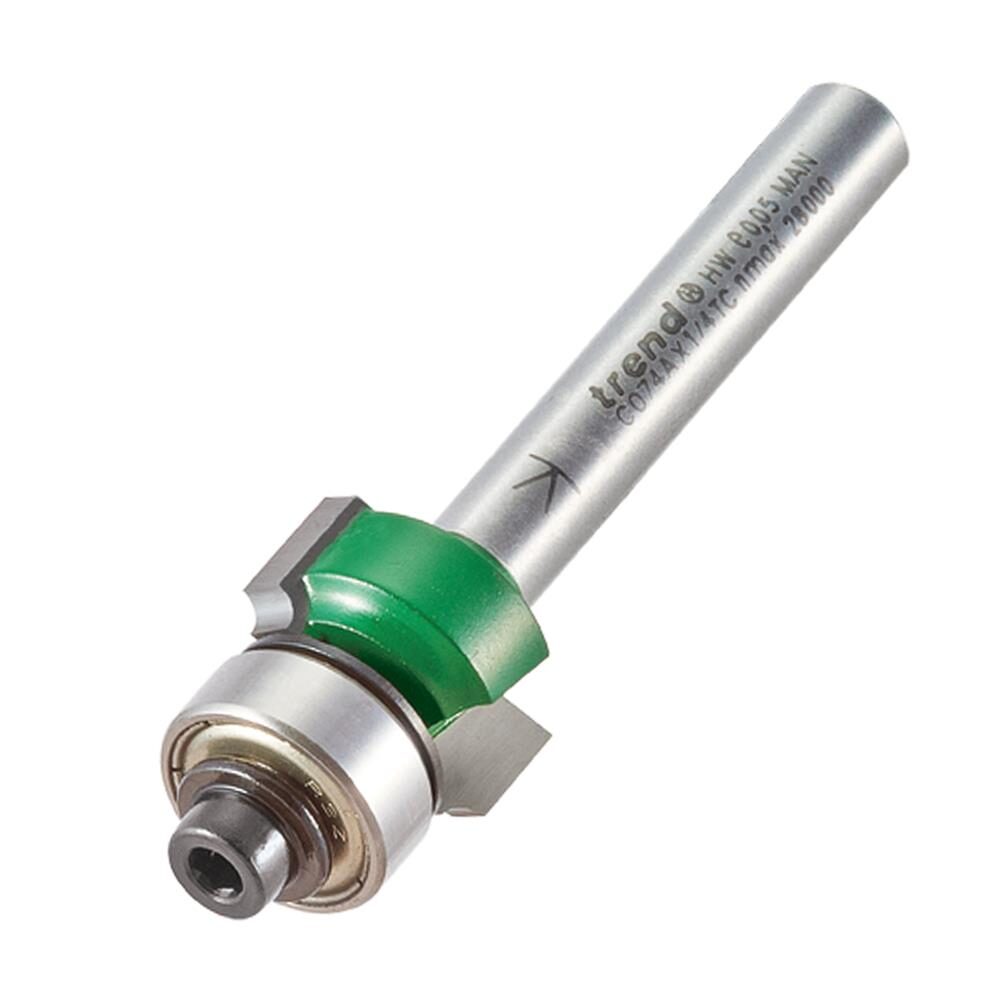
Round-Over Bits
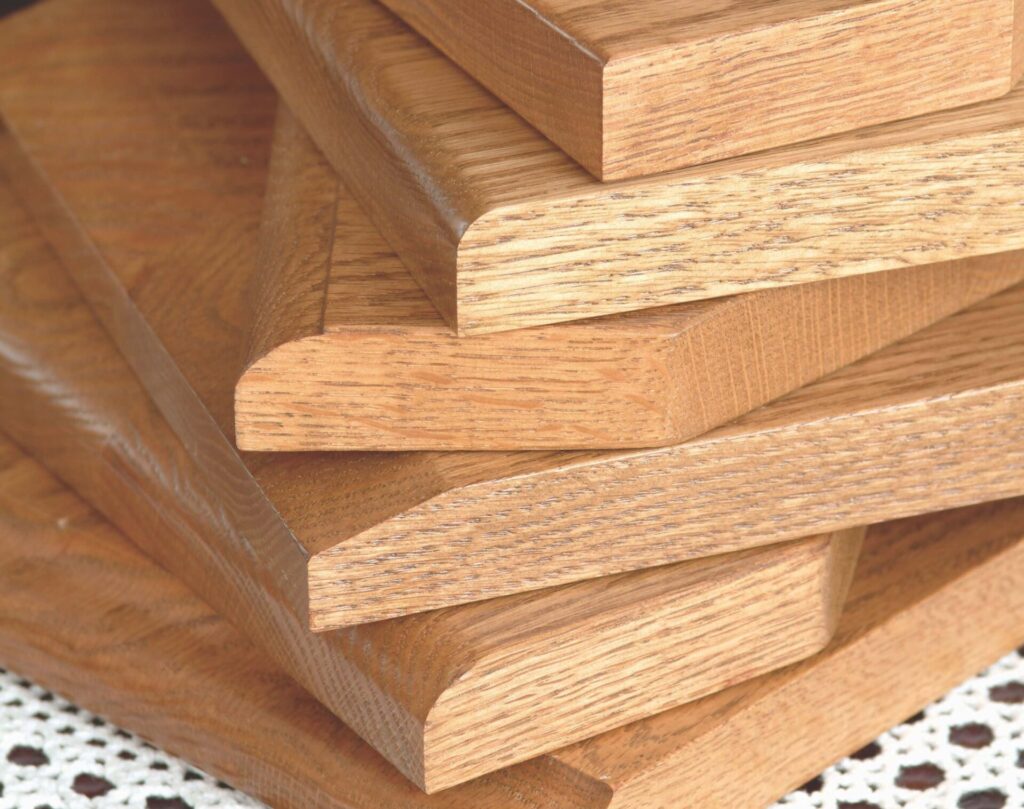
Round-over bits are used to soften sharp edges by creating a smooth, curved profile along the edge of the wood.
They are ideal for furniture, shelves, and worktops where comfort, safety, and appearance matter.
This simple edge detail instantly makes timber feel finished and more professional.
Chamfer Bits
Chamfer bits cut a clean, angled edge along the surface of the wood, creating a sharp and defined profile.
They are ideal for modern designs, decorative detailing, or adding a clear break line between surfaces.
This simple angled cut adds visual interest while keeping edges precise and controlled.

Rebate Bits
Rebate bits remove a stepped section along the edge of a board, creating a flat ledge for other components to sit into.
They are ideal for fitting panels, cabinet backs, glazing, and basic joinery work.
This type of cut allows parts to locate neatly and accurately for a cleaner, more secure fit.

Choosing the Right Bit
A few simple rules help:
Essential Router Safety for Beginners
Routers are safe when used correctly, but they demand respect and full control. These habits make the tool feel predictable:
Secure Your Work – Clamp everything. A router should never chase a loose board around the bench.
Let the router reach full speed – Start the motor, wait for full RPM, then touch the wood to avoid snatching.
Feed in the Correct Direction – When routing an edge, move the router left-to-right. This keeps the bit cutting into the wood rather than pulling itself away from you.
Take Multiple Shallow Passes – Deep single cuts cause burning, motor strain, and loss of control. Small passes = cleaner results.
Keep Both Hands on the Tool – Even trim routers benefit from a two-handed grip for accuracy and stability.
Wear Eye and Ear Protection – Routers throw fine chips at speed and can be surprisingly loud. PPE keeps you focused and safe.
Must-Know Router Techniques (Beginner Friendly)
Once you understand how the tool moves, these techniques will help you get clean, consistent results.
Edge Routing
Typically the first thing beginners try. Keep the router base flat, follow the edge steadily, and let the bit’s bearing guide the cut. When it’s right, the router feels smooth and controlled.
Using a Guide Fence
For perfectly straight, parallel grooves or channels, attach the guide fence and lock it in place. It does most of the alignment work for you.
Template Routing
Secure a template to your workpiece and use a flush trim or pattern bit. This makes accurate, repeatable shapes incredibly easy, perfect for sign-making, brackets, and rounded corners.
Plunge Cuts and Grooves
Used for mortices, dados, or recesses that start inside a board. Lower the router gently, make shallow passes, and lift out smoothly.
Cutting Recesses for Hardware
A straight bit and careful depth setting allow you to create crisp, flat hinge recesses, lock pockets, and other hardware cutouts, instantly improving the professional look of your joinery.

What to Look for When Buying Your First Router
Choosing your first router isn’t about buying the biggest or most powerful tool. Look for features that make the learning curve easier:
Power and Speed – Most beginners don’t need a huge motor. Compact cordless routers or 1/4in routers offer plenty of performance. Variable speed is helpful for different bit sizes.
Accurate Depth Adjustment – A smooth, predictable depth system helps produce repeatable cuts and reduces mistakes.
Good Visibility – LED lights, open bases, and clear sightlines allow better control — especially during detailed work.
Comfort and Balance – A router should feel planted and comfortable in your hands. Good grip shapes go a long way for beginners.
Soft Start – Prevents sudden jolts by easing the motor up to speed gradually.
Dust Extraction Ports – Routing makes fine dust quickly. Extraction improves visibility, accuracy, and safety.

Your Existing Tool System – If you already use Makita, Dewalt, Milwaukee, or Bosch, staying on the same battery platform is cost-effective and convenient.
Beginner Router Projects to Build Confidence
These simple projects help you practise real techniques and build hands-on confidence.
Round Over the Edges of a Shelf
A perfect first project — visual, satisfying, and great for learning feed speed and pressure.
Cut Hinge Recesses
A practical, everyday use for routers that dramatically improves door fitting.
Add a Decorative Edge to a Tabletop
A chamfer or cove bit instantly elevates the look of a plain board.
Route a Groove for LED Strip Lighting
Great for learning guided cuts and creating clean, hidden wiring channels.
Make a Template and Duplicate a Shape
Template routing opens the door to custom shapes, curved corners, and repeated parts.
Create a Simple Sign or Nameplate
A fun early project using a V-bit or straight bit, ideal for learning plunge control.
FAQ: Beginner Questions About Routers
q. Do I need a plunge router to start?
A. Not at all. A compact fixed-base or cordless trim router is often easier for beginners and handles most tasks.
Q. Which router bits should beginners buy first?
A. A round-over bit, a straight bit, and a flush-trim bit will cover almost all early projects.
Q. Why is feed direction important?
A. Feeding left-to-right keeps the bit cutting against the wood, giving you more control and a cleaner finish.
Q. What’s the difference between 1/4in and 1/2in shank bits?
A. 1/4in bits suit compact routers and light work. 1/2in bits are stronger, vibrate less, and suit heavier cuts.
Q. Why does my router burn the wood?
A. The feed speed is too slow, the bit is dull, or the cut is too deep. Sharpen, speed up, or take smaller passes.
Q. Are cordless routers powerful enough?
A. Yes. Modern cordless routers from brands like Makita, Dewalt, Milwaukee, and Bosch handle almost all typical DIY and trade tasks with ease.
A router may look intimidating at first, but once you learn the basics it becomes one of the most rewarding and versatile tools you’ll ever use. From smooth edges and perfect recesses to decorative shaping and custom templates, a router instantly elevates the quality of your work, even as a complete beginner.
Master the fundamentals: choose the right bit, set your depth accurately, secure your work, and take shallow passes. With those habits, routing becomes predictable, controlled, and genuinely enjoyable.
Whether you’re building furniture, improving your home, or experimenting with new DIY skills, a router gives you the ability to create cleaner, more professional results with surprisingly little effort. Start small, build your confidence, and you’ll soon wonder how you ever worked without one.
Shop All Routers