


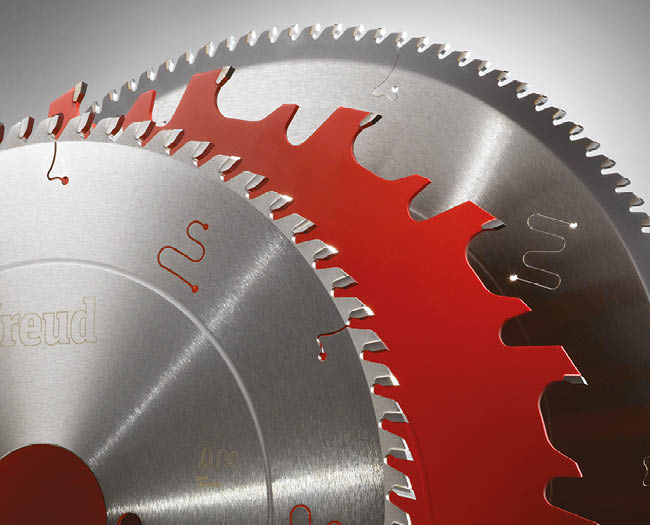
Ever wondered why your circular saw sometimes burns wood, chips edges, or struggles through cuts? Nine times out of ten, the blade is the culprit — and choosing the right one makes all the difference.
Choosing the right blade for your circular or mitre saw is crucial for safety, efficiency, and achieving the desired cut quality. In this ITS Hub Article, we’ll walk you through everything you need to know about selecting the correct saw blade for your power tool and specific job. From understanding bore size and kerf to the number of teeth and blade material, we’ve got you covered.
Everything You Need to Know About Circular Saw Blades
Bore Size
The bore size is the central hole that sits on your saw’s arbor, and getting this right is non-negotiable. If the bore doesn’t match your saw, the blade won’t sit correctly, won’t run safely, and won’t cut straight.
A saw with a 30mm bore needs a blade with a 30mm bore — simple as that. When in doubt, always check your saw’s manual before you buy.
Diameter
The diameter of the blade affects both the depth and type of cut you can achieve. Using a blade that is too large for your saw can interfere with the guard and compromise safety.
Check your user manual for the maximum and minimum blade diameters compatible with your saw.
Kerf
Kerf is the width of the cut made by the blade, and it makes a bigger difference than many people realise.
A thin kerf blade removes less material, puts less strain on the motor, and gives you finer, more precise cuts — ideal for clean finishing work.
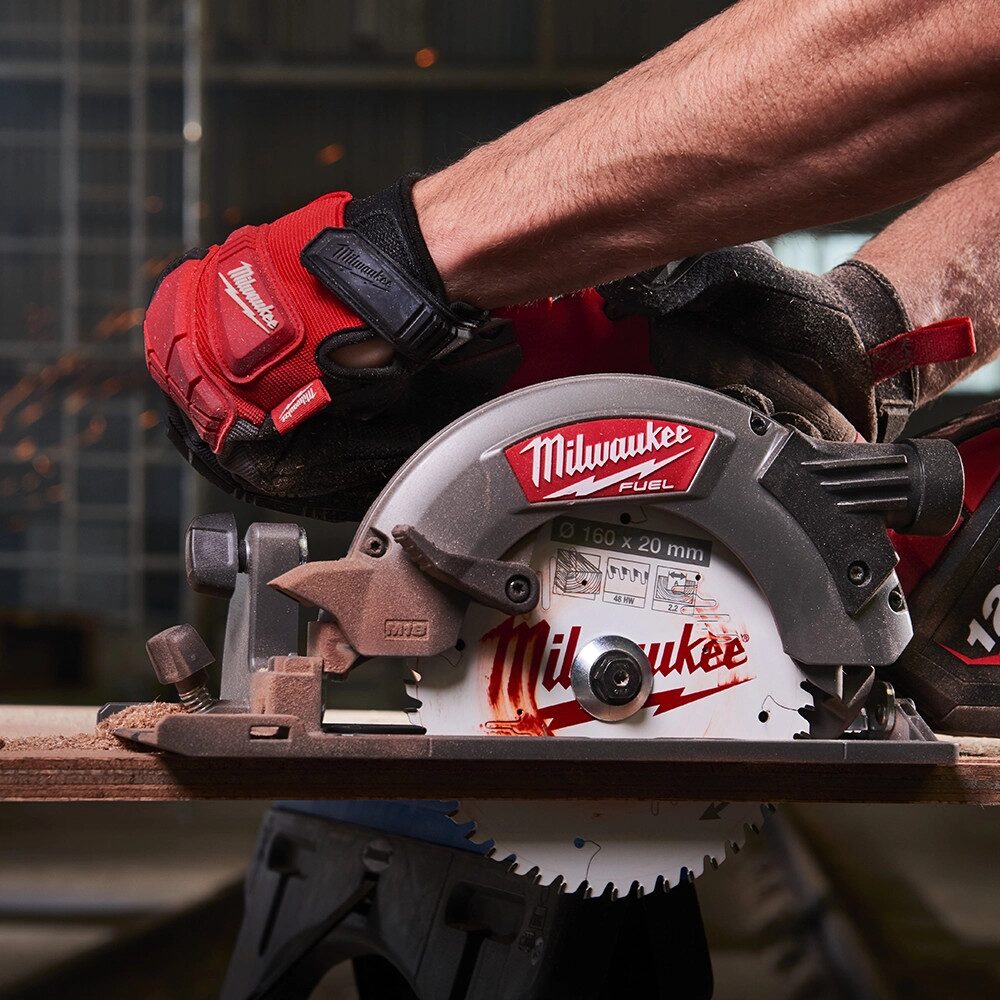
A thicker kerf is tougher, more durable, and better suited for rougher cutting or hardwoods where strength matters.
Number of Teeth
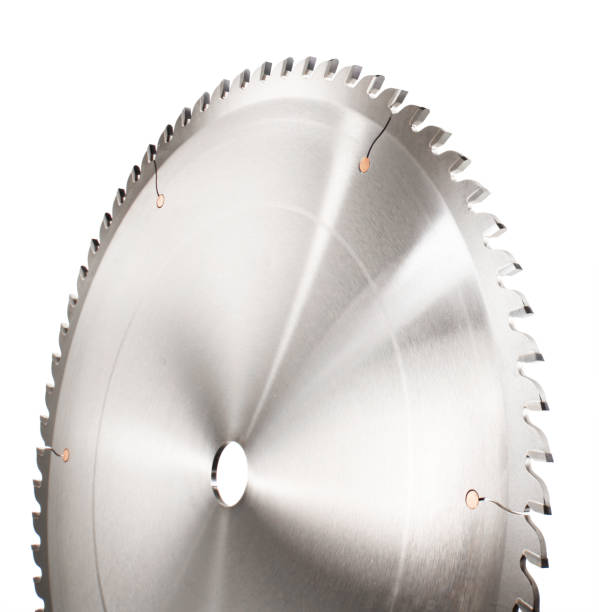
Tooth count directly affects cutting speed and cut quality.
- High Tooth Count – smoother, cleaner cuts. Great for fine woodworking, ply, laminates, and trim work.
- Low Tooth Count – faster, more aggressive cutting. Ideal for ripping solid timber or quick rough cuts.
The general rule is that blades with more teeth make finer cuts, while those with fewer teeth are used for faster, rougher cuts.
More teeth = finer finish.
Fewer teeth = faster cut.
Saw Blade Material
Saw blades generally fall into two material types, each with its strengths:
High-Speed Steel (HSS)
Affordable and suitable for general cutting, but they dull quicker and aren’t ideal for heavy daily use.
Carbide-Tipped
Hard-wearing, stay sharp longer, and deliver cleaner cuts. These are the go-to choice for regular trade use and are worth the investment.
Tooth Configuration
Tooth shape dramatically influences how the blade behaves:
- Alternate Top Bevel (ATB) – angled teeth ideal for clean cross cuts and general-purpose use.
- Flat Top Grind (FTG) – flat teeth made for ripping through timber quickly and efficiently.
- Combination (COMB) – mixes ATB and FTG to give you a versatile all-round blade.
- Triple Chip Grind (TCG) – alternating flat and trapezoid teeth, perfect for tough materials like laminate, aluminium, and plastics.
Choosing the Right Circular Saw Blade
For Different Materials:
Wood: Use a blade with fewer teeth for ripping and more teeth for cross-cutting
Metal: Use carbide-tipped blades specifically designed for metal to avoid damaging your tool or the blade.
Plastic: Medium tooth count with ATB configuration gives the best results without melting or chipping.
Laminate/MDF: High tooth count and TCG configuration deliver clean edges and prevent tear-out.
For Specific Cuts
Rip Cuts: Fewer teeth and an FTG configuration for fast, straight grain cuts.
Cross Cuts: More teeth with an ATB setup for a cleaner finish across the wood’s grain.
Fine Finishing: Dense tooth counts and a TCG blade for precision, clean edges, and minimal chipping.
Frequently Asked Questions: Circular & Mitre Saw Blades
Q. Can I use the same blade on both my circular saw and mitre saw?
A. Yes, as long as the diameter and bore size match your tool’s requirements. Many blades are cross compatible, but always check your saw’s manual for approved sizes before fitting a blade.
Q. What blade is best for cutting MDF or laminate?
A. For MDF, laminate, and similar engineered boards, use a high-tooth-count blade with a TCG (Triple Chip Grind) configuration for a clean finish and reduced tear out.
Q. Why does my saw blade burn the wood?
A. Burn marks usually mean the blade is dull, dirty, or the wrong tooth configuration for the job. High tooth count blades can also cause burning if used for fast ripping cuts, because they struggle to clear material quickly.
Q. How many teeth should my saw blade have?
A. Fewer teeth (18–30) for fast ripping along the grain.
More teeth (40–80+) for clean cross cuts and fine finishing.
The more teeth a blade has, the smoother the cut — but the slower the feed rate.
Q. What kerf size should I choose?
A. Thin kerf for battery powered saws or fine, accurate cutting.
Standard kerf for durability, heavy duty work, and hardwoods.
Thin kerf reduces strain on the motor, while thicker kerf increases blade strength.
Q. What’s the safest type of blade for beginners?
A. A general purpose ATB (Alternate Top Bevel) blade with a medium tooth count is the easiest to control and works well across most wood cutting tasks.
Q. Can I sharpen my saw blades or do I need to replace them?
A. Carbide tipped blades can be professionally sharpened, often several times. High speed steel blades are cheap but dull quickly — these are usually replaced rather than sharpened.
Q. How often should I replace a saw blade?
A. Replace a blade when:
- Cuts become rough or splintered
- You feel burning or resistance
- The blade starts binding or pushing back
- Teeth are missing, chipped, or worn
With regular cleaning and sharpening, a good carbide blade can last years.
Still unsure about something? Leave your question in the comments and we’ll guide you through it.
Choosing the correct circular or mitre saw blade can transform the quality, speed, and safety of your cuts.
By understanding key factors like bore size, diameter, kerf, tooth count, and tooth configuration, you can match a blade to both your saw and the material you’re working with — and the results speak for themselves.
Whether you’re ripping solid timber, making accurate cross cuts, or tackling tougher jobs like laminate or aluminium, the right blade reduces strain on your tool, improves accuracy, and delivers the professional finish every tradesman wants.
With so many blade types and configurations available, taking a moment to choose the right one saves time, improves results, and helps your tools last longer.
Shop All Circular Saw Blades