


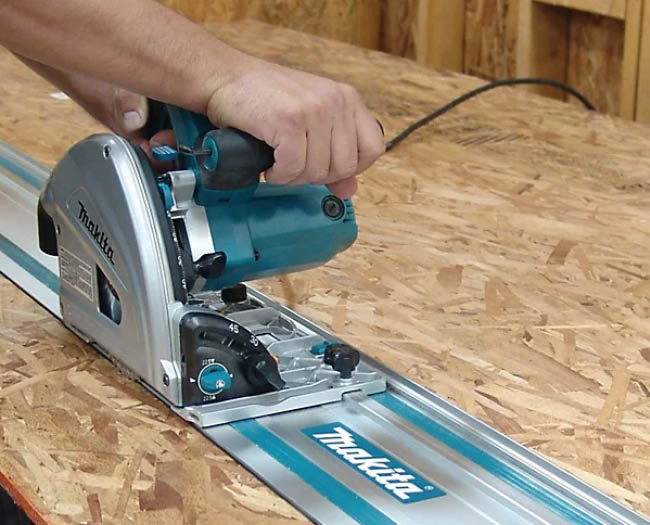
There’s nothing more satisfying than a clean, laser-straight cut, and that’s exactly what guide rails deliver. Whether you’re breaking down sheet material, trimming doors, or cutting worktops to size, a solid guide rail system takes the guesswork (and wobble) out of the job.
But here’s the catch: not all rails and saws play nicely together. You might assume they’re universal, after all, they look pretty similar at first glance, but one wrong match and you’ll quickly find your saw doesn’t sit right, or worse, doesn’t run safely at all.
Before you spend good money on new rails or plunge saws, it’s worth knowing who’s compatible with who, which brands share the same system, and where the lines are drawn. Because when precision is your priority, compatibility isn’t optional, it’s essential.
What are Plunge Saw guide rails and why they’re essential?
Guide rails (also known as track saw rails or plunge saw tracks) are straight, rigid lengths of aluminium designed to help saws, routers, and jigsaws make perfectly straight, splinter-free cuts. The saw runs along a groove in the rail, keeping it locked in position while anti-slip strips and splinter guards ensure clean, accurate results every time.
They’re a must-have for carpenters, kitchen fitters, and joiners who demand precision from every cut. In the workshop, they replace the need for a full table saw setup. On site, they make it possible to cut long boards or panels safely and cleanly on any surface – from a pair of trestles to a sheet of insulation.
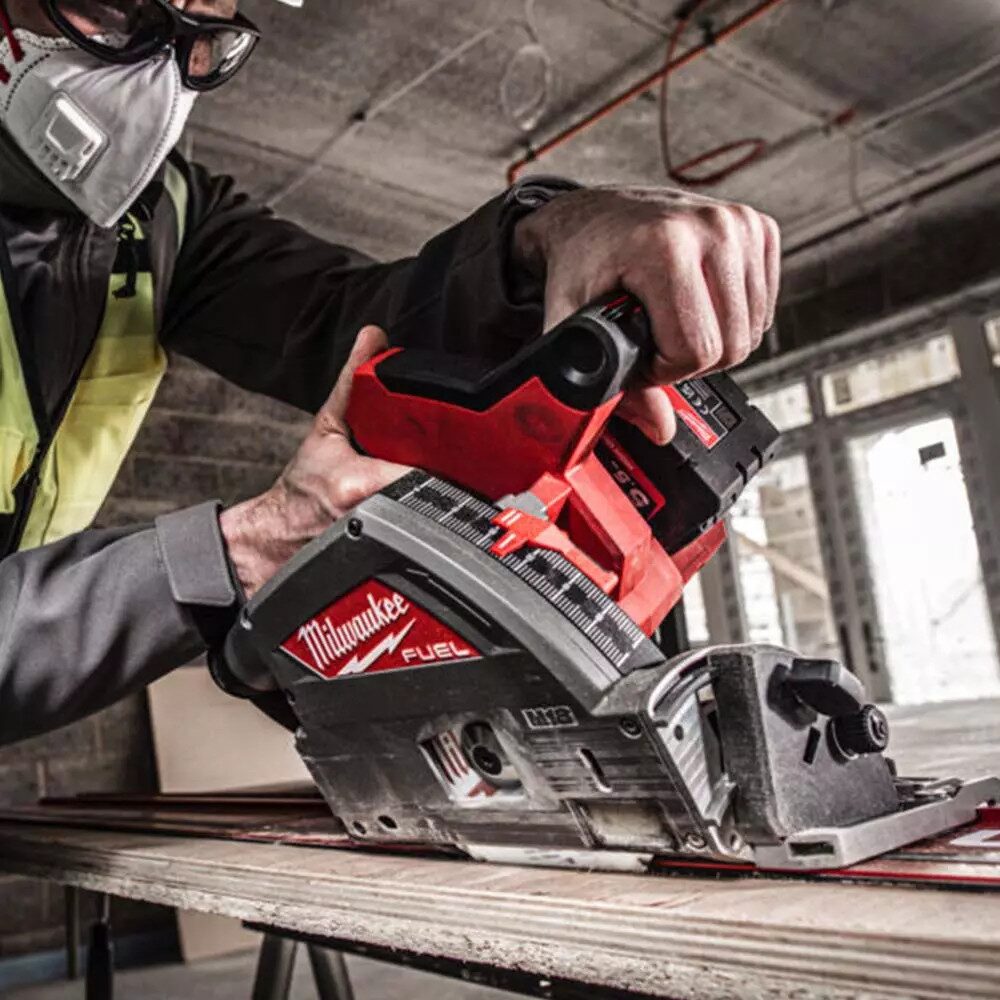
Modern rails come with non-slip backing, anti-kickback strips, and the option to link multiple lengths together, creating a smooth cutting line across large materials. The result? Cleaner cuts, faster setup, and fewer mistakes, exactly what you want when the finish needs to be spot on.
how to choose the right guide rail system?
Once you know which rail systems are compatible, the next step is choosing the right setup for how and where you work. Length, joiners, grip, and transport all make a difference, and getting them right will save you time and frustration on site.
Length Matters
Guide rails typically come in lengths from 1m to 3m. Shorter rails are ideal for door trimming, narrow panels, and quick site cuts, easy to carry, quick to set up, and perfect for portable saws.
Longer rails (2m and up) are better for breaking down large sheets, cutting worktops, or ripping boards to full length. If you often cut 8×4 sheets, a 2.7m rail is your new best friend.
Non-Slip Grip
Most modern rails feature rubber anti-slip strips on the underside, designed to hold the track steady without clamps. For vertical or angled work, or when cutting heavy materials, clamps still add peace of mind. The combination of both means you can work faster without the rail shifting mid-cut.
Splinter Protection
The splinter guard is your insurance for clean edges. When you first use a new rail, run your saw once to trim the rubber strip perfectly to your blade, that line becomes your exact cut reference. If you swap blades or rails between brands, always check alignment before your next cut.
Storage and Portability
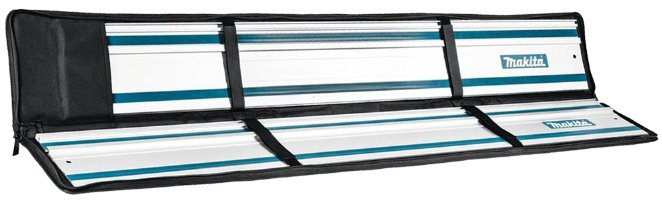
Long aluminium rails are precise but delicate. A bent track means bad cuts, so store them safely. Look for rail bags or wall mounts if you’re working mobile. On site, Makita and Festool’s soft cases are excellent for keeping rails scratch-free and ready to go.
guide rail compatibility: what fits what?
Not all guide rails are created equal. While they may look alike, the profiles underneath tell a different story, and that’s what decides whether your saw will glide perfectly or grind to a halt. Here’s how the major brands group together:
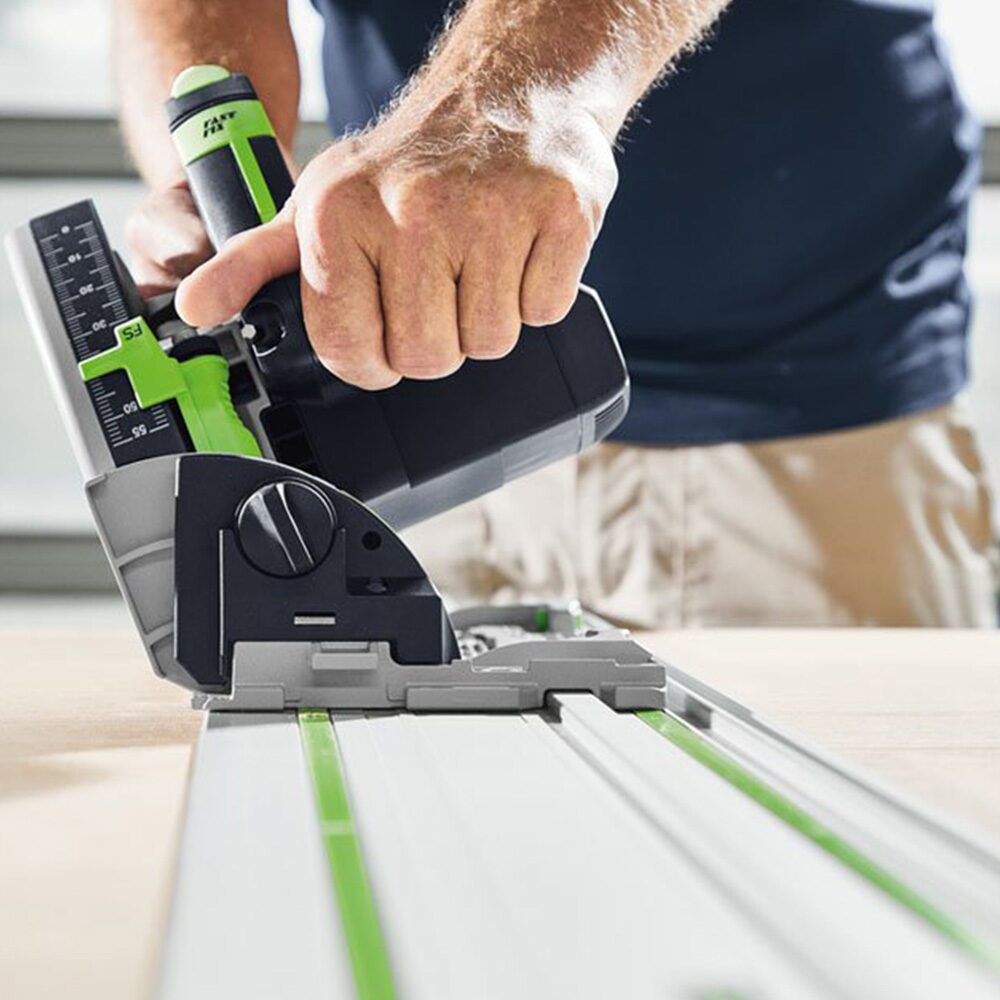
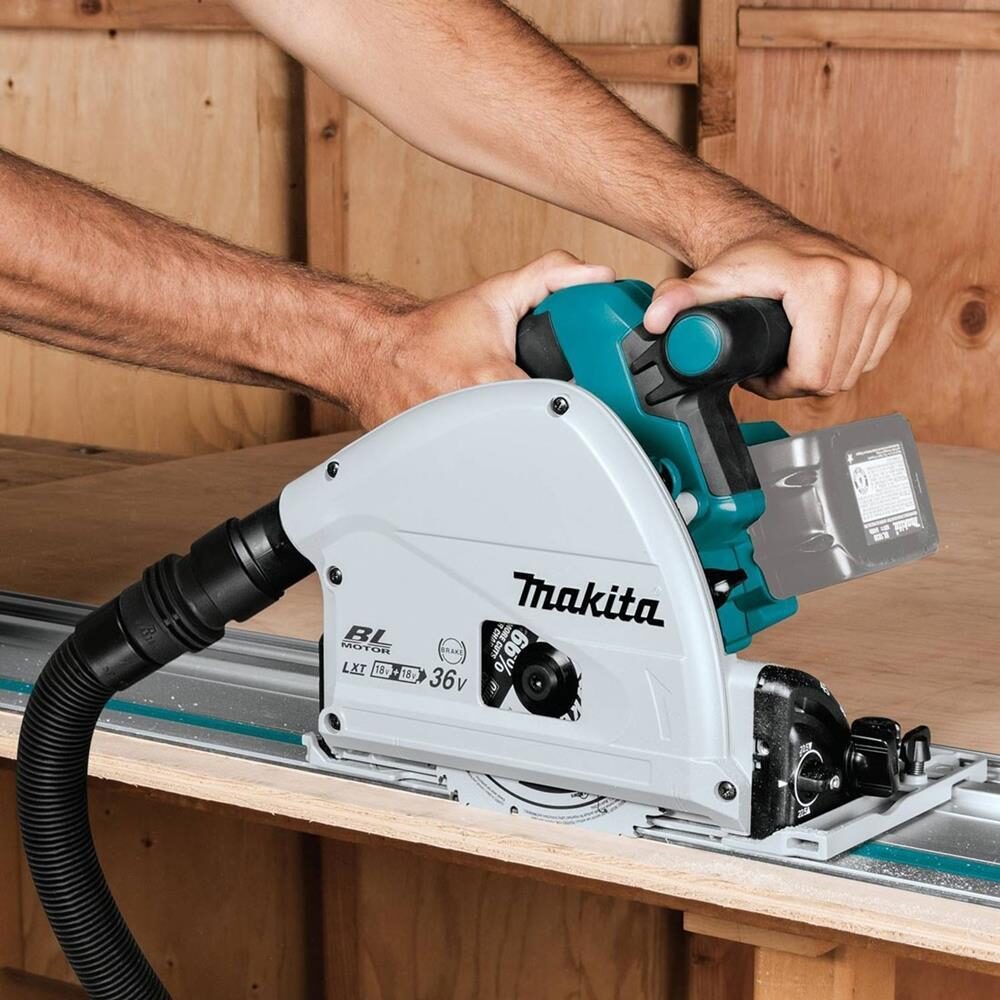
Festool Patent System – Festool, Makita, Milwaukee, Triton, Evolution
This is by far the most widely shared rail profile. Originally designed by Festool, it’s been adopted by several major brands including Makita, Milwaukee, Triton, and Evolution.
All of these saws will run smoothly on each other’s rails with no adapters required. The track design gives solid grip, precise alignment, and reliable splinter protection, making it the go-to system for anyone mixing brands on site.
Think your guide rail may be apart of this system? Download our true to size Festool guide rail template guide and measure your rail against ours.
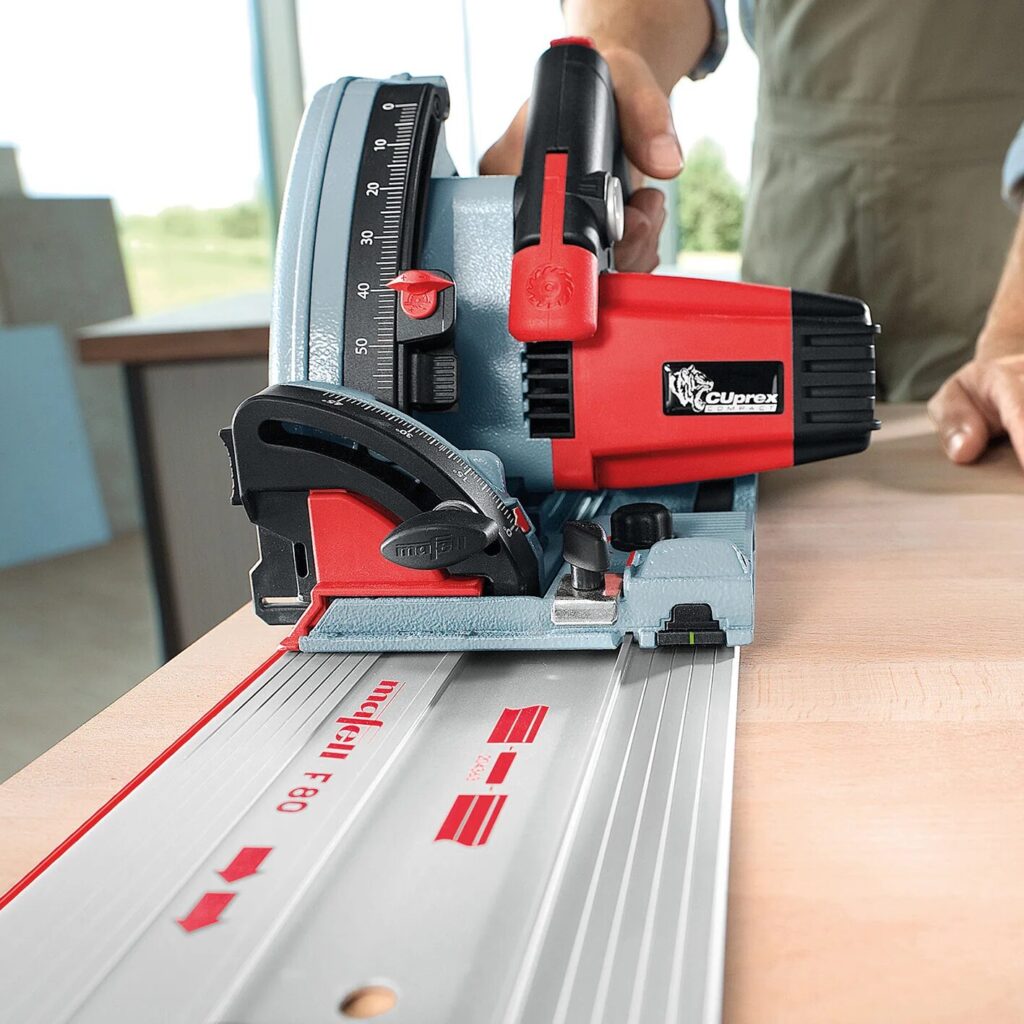
Mafell System – Bosch & Mafell
The Bosch FSN and Mafell rails share identical geometry, making them fully interchangeable.
These rails are built for precision, with a tighter, more engineered glide that cabinetmakers and joiners love.
Both brands also share accessories like clamps, connectors, and angle guides, making this one of the cleanest dual-brand systems around.
Solo Systems – DeWalt & Einhell
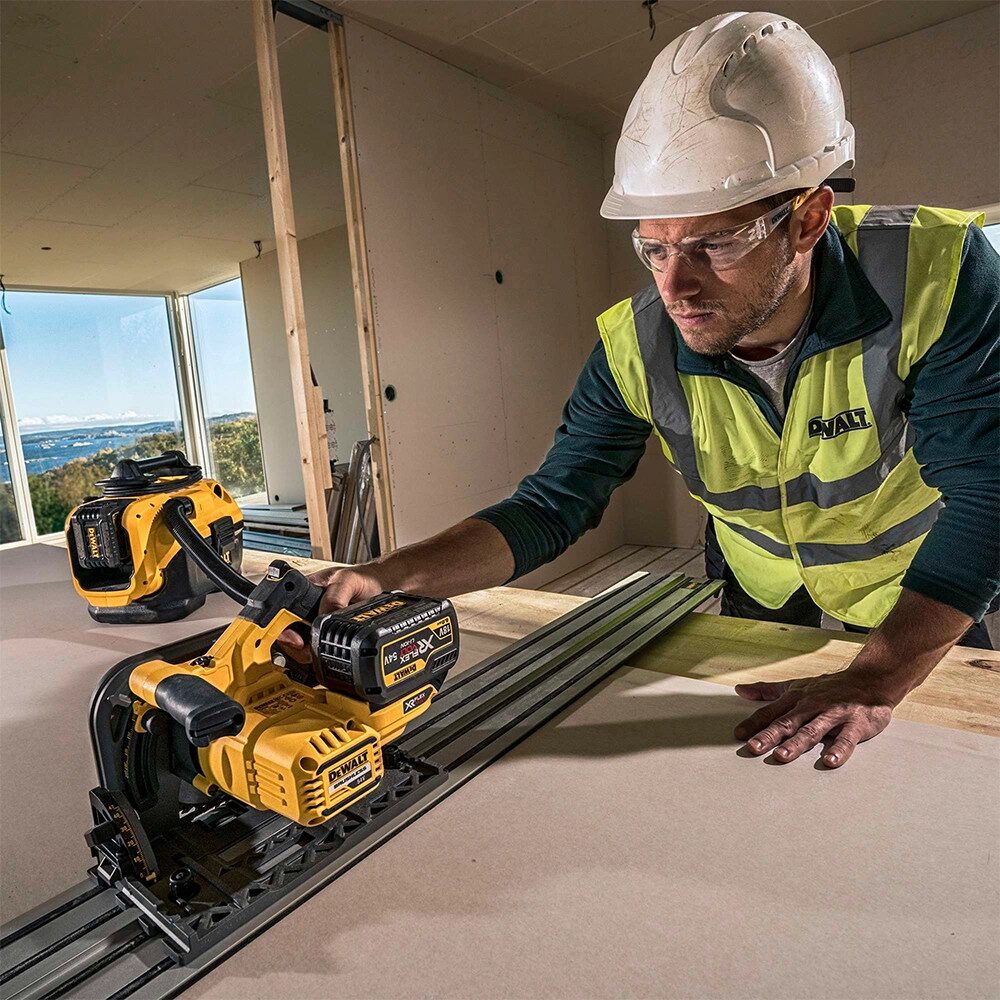
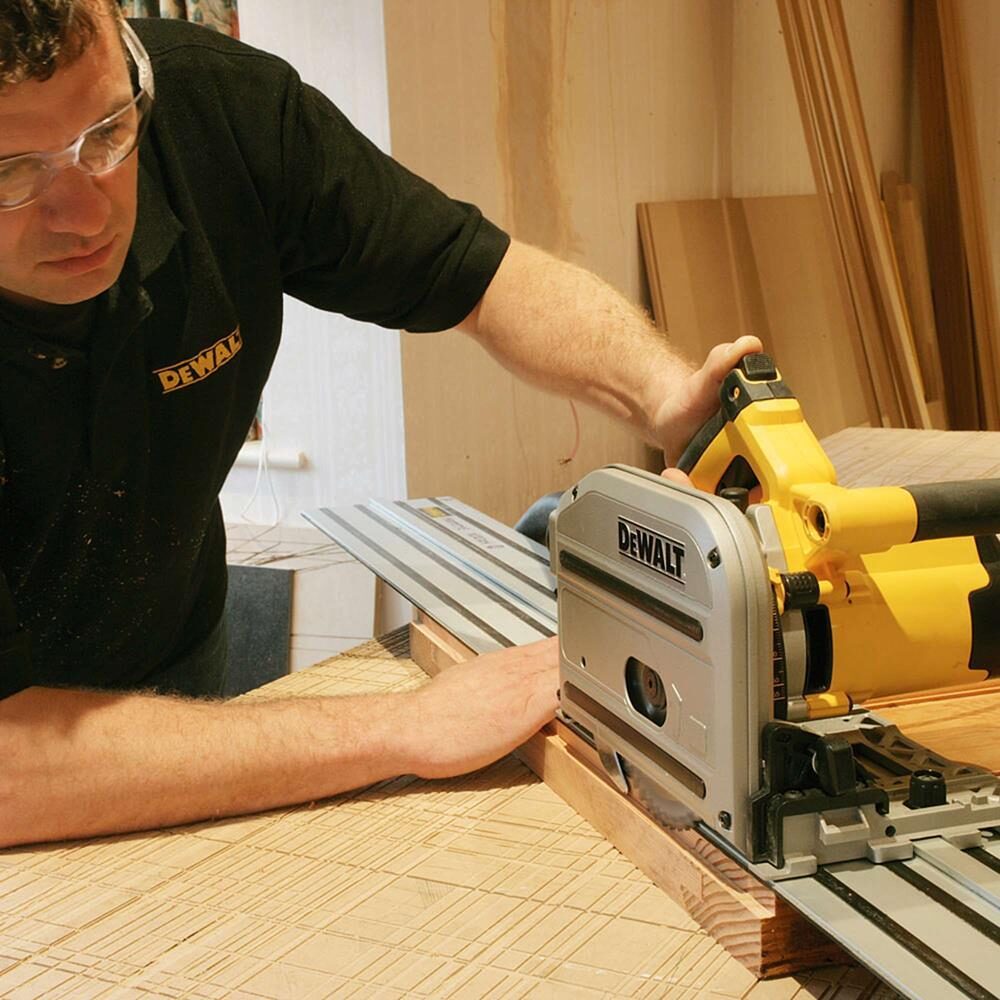
Dewalt and Einhell each use their own proprietary designs, with rail profiles that don’t match any other manufacturer. Dewalt’s setup includes a double splinter guard for clean cuts in both directions, while Einhell’s system is tailored specifically to their saw range. Both perform brilliantly within their own ecosystems, but they won’t play nicely with anyone else’s.
The unique groove profile and locking arrangement are exclusive to Dewalt’s plunge saw range, ensuring a solid, stable fit, but only within their own lineup. If you’re running a full Dewalt setup, the system feels superb: smooth glide, rock-solid traction, and crisp, accurate cuts in both directions. Just don’t expect it to play nicely with anyone else’s rails.
| Compatibility Group | Brands |
|---|---|
| Festool Patent System | Festool Makita Milwaukee Triton Evolution |
| Mafell System | Mafell Bosch |
| Solo Systems (Only work on there own brands rails) | Dewalt Einhell |
guide rail systems: What Works, What Doesn’t?
It’s tempting to mix and match when your kit already includes different brands, especially when the rails look identical. And while some setups will run surprisingly well, others can throw off your accuracy faster than you’d think.
The “Close Enough” Club
Saws from the Festool-pattern group – Festool, Makita, Milwaukee, Triton, and Evolution – will generally ride on each other’s rails without issue. The saw bases fit securely, the glide feels smooth, and the splinter guard aligns close enough for everyday site work.
But there’s a small catch: splinter guard thickness can vary slightly between brands. That means you might see a hairline difference in your cut line if you’re swapping rails regularly. It’s nothing a quick test cut won’t confirm, but worth checking before trimming a finished worktop.
Adapters & Workarounds
In most cases, adapters are unnecessary unless you’re crossing into a totally different rail family. Some third-party brands offer connector kits that claim to bridge systems, but results can be hit and miss. They can help for holding or clamping setups, but for plunge cutting or precision work, even a millimetre of play is too much.
Stay in the Family When It Matters
If you’re fitting kitchens, cutting solid surfaces, or doing fine finishing, stick to rails that match your saw’s brand. You’ll get smoother movement, a perfectly aligned splinter guard, and consistent results every time.
If you’re rough-cutting panels, trimming sheet goods, or working on-site where speed matters more than microscopic precision, mixing within the Festool-pattern group will usually serve you just fine.
Don’t Force the Fit
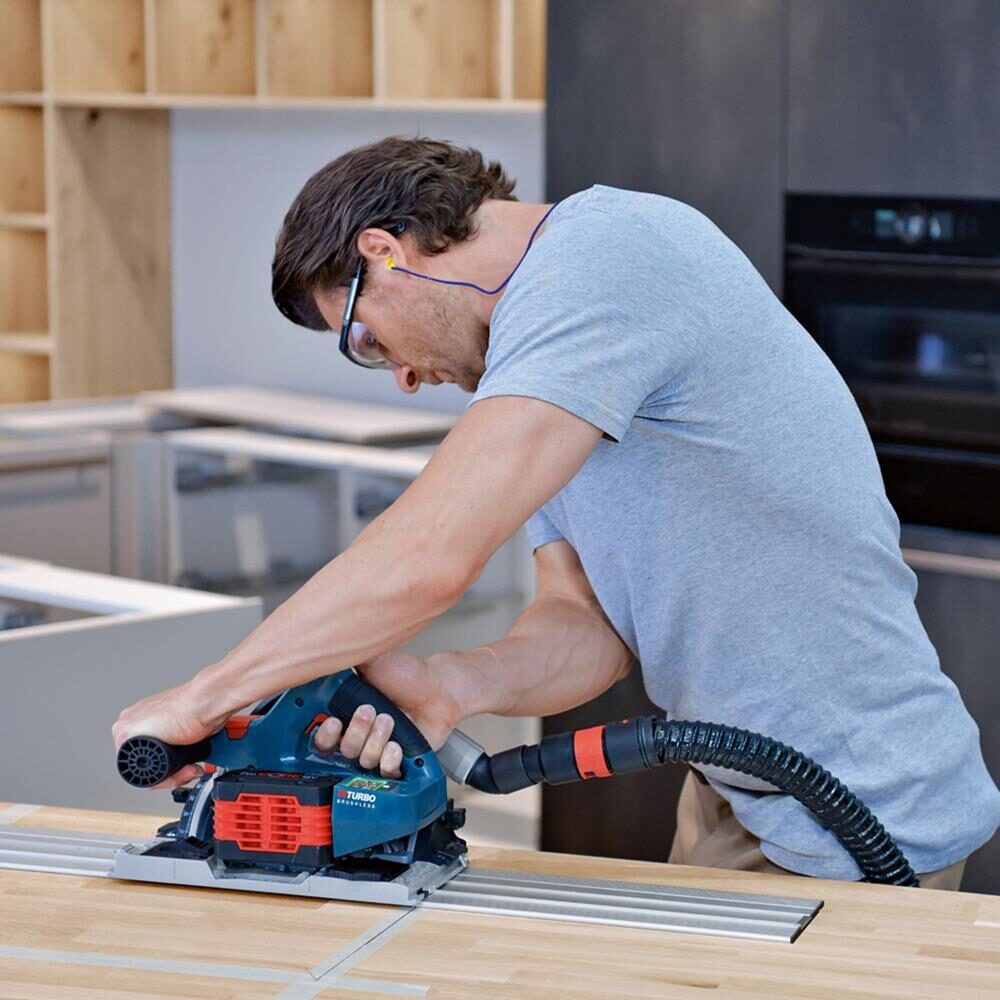
It should go without saying, but forcing a saw onto the wrong rail is a fast track to damage. If it doesn’t seat naturally, it’s not compatible, and no amount of adjustment will fix that.
Final Thoughts on guide rail compatibility
Guide rails might seem simple, but they’re the backbone of every clean, professional cut. Knowing which brands work together, and which don’t, saves you time, money, and frustration when setting up on site.
The Festool-pattern system gives you the widest compatibility, covering Makita, Milwaukee, Triton, and Evolution.
The Bosch FSN and Mafell setup leads the way for precision woodwork.
And for Dewalt and Einhell, sticking within their own ecosystem means guaranteed accuracy and full performance.
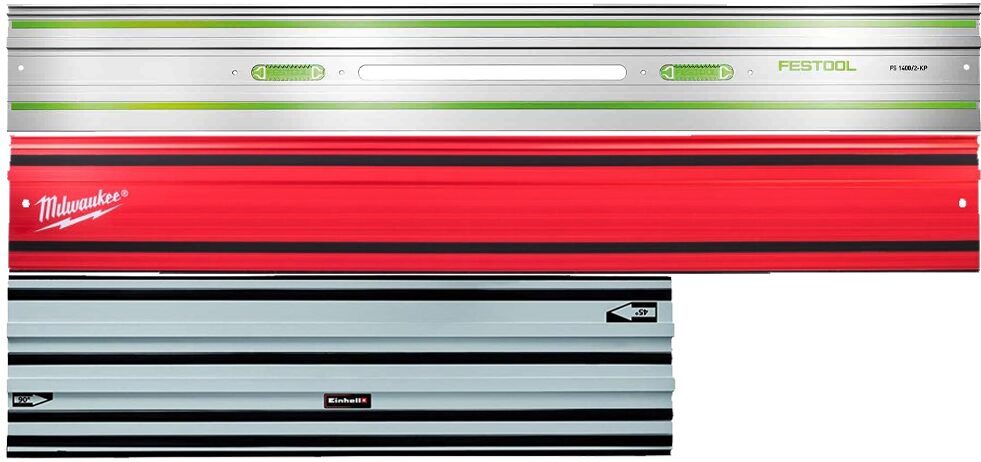
Mixing brands can work, but only within reason. The key is testing your setup, checking your splinter guard, and making sure your saw glides smoothly before you commit to a final cut. A few minutes of prep can save hours of rework, and a fair bit of language you wouldn’t use in front of the client.
So, whether you’re cutting kitchens, flooring, or full sheets on site, the right rail system keeps your work clean, your saw steady, and your finish professional every single time.
Shop Guide Rails