Drilling into brick might seem straightforward, but using the wrong drill bit, applying too much pressure, or drilling in the wrong location can quickly lead to cracked bricks, damaged mortar, and loose fixings.
Whether you’re putting up shelving, mounting a television bracket, fitting exterior lighting, or securing pipe clips, getting a clean and secure hole is essential. Fortunately, with the right tools and techniques, drilling into brickwork is a simple job that can be completed safely and accurately.
This guide explains how to drill into brick without cracking or damaging the wall, including the best drill bits to use, common mistakes to avoid, and expert tips for achieving professional results.
What Tools Do You Need To Drill Into Brick?
Before you start drilling, make sure you have the correct equipment.
Drill
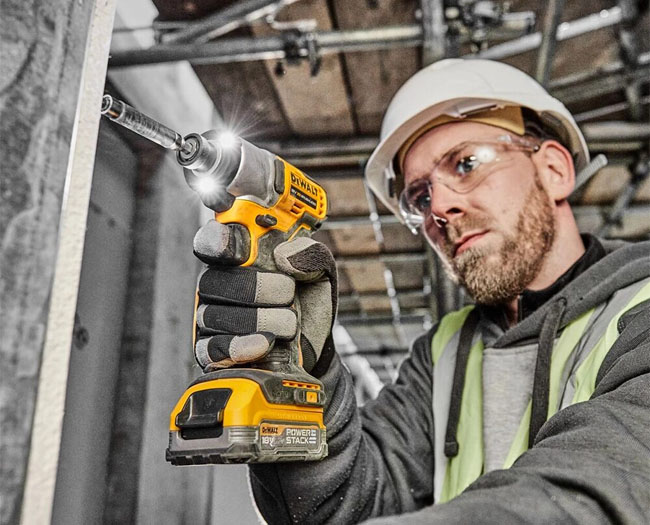
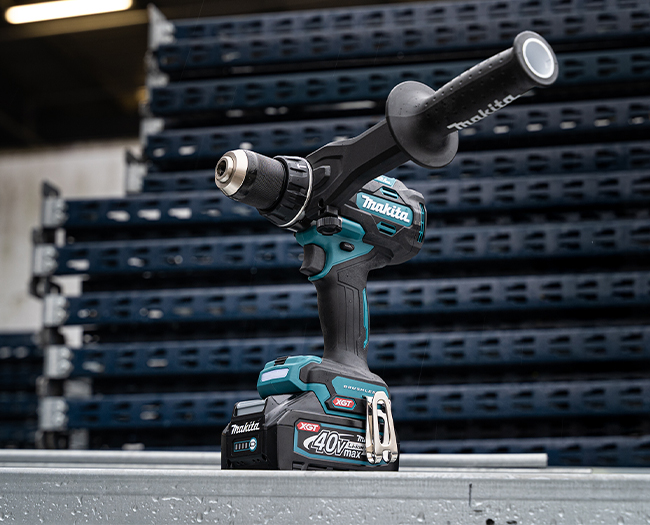
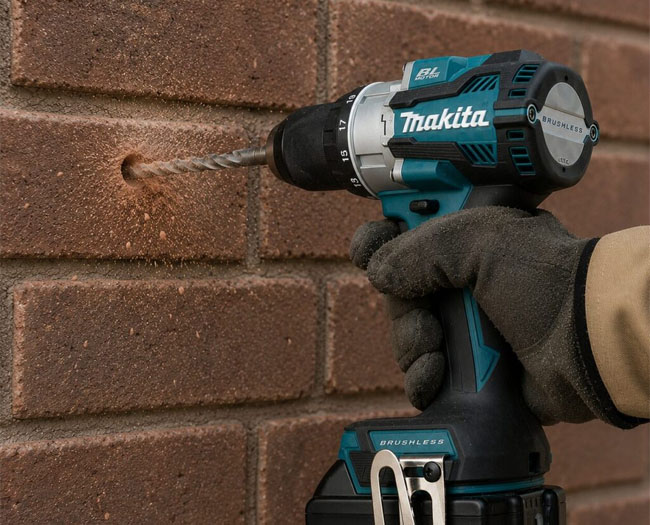
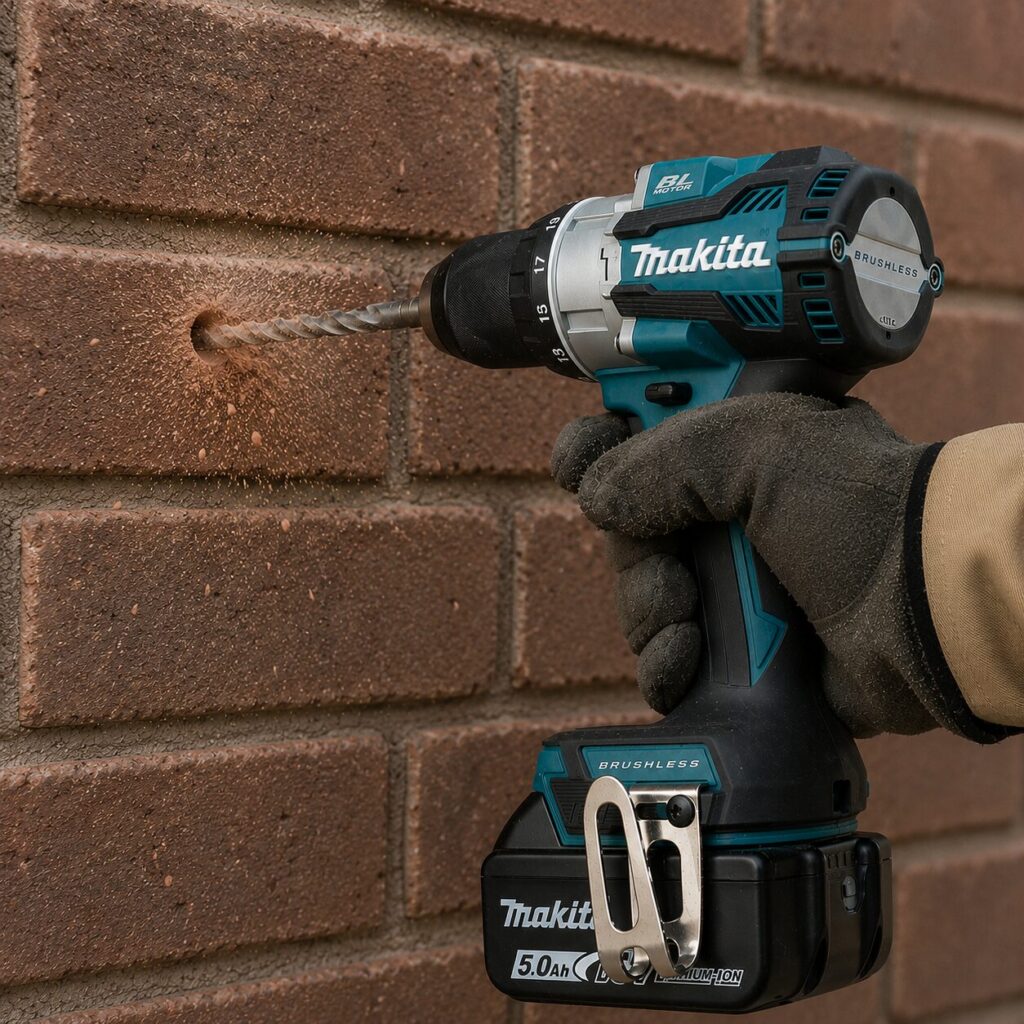
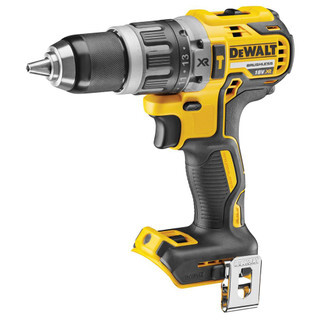
For most household jobs, a cordless combi drill with hammer mode is more than capable of drilling into standard brickwork.
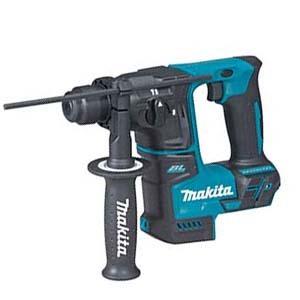
For larger holes or particularly hard materials such as engineering brick or concrete, an SDS Plus drill will provide faster drilling with less effort.
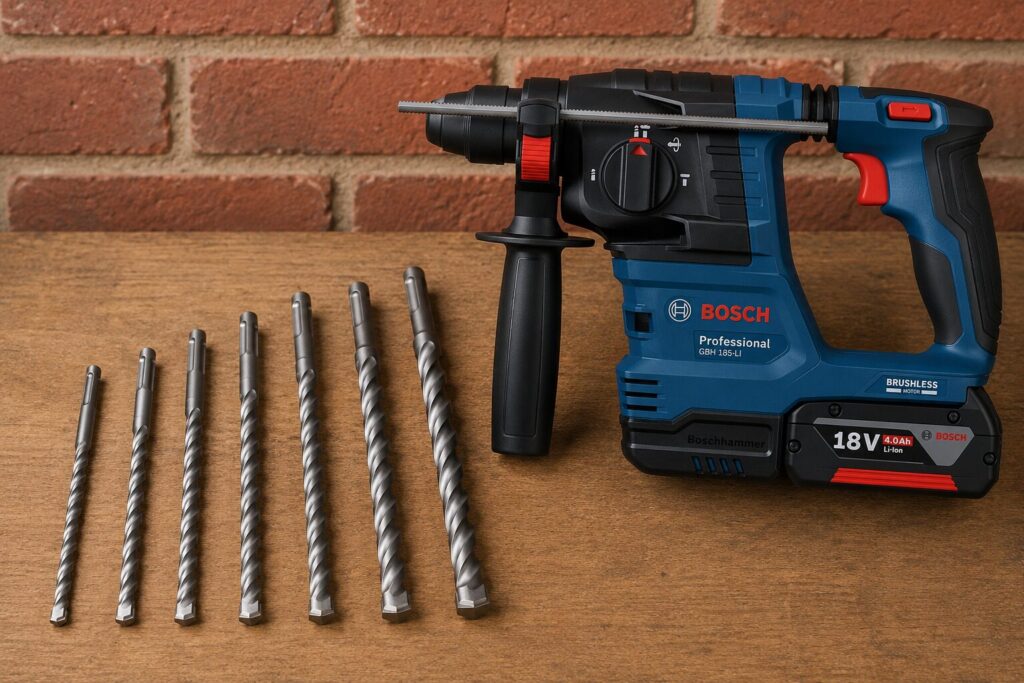
Masonry Drill Bits
Standard metal or wood drill bits will quickly become damaged when used on masonry.
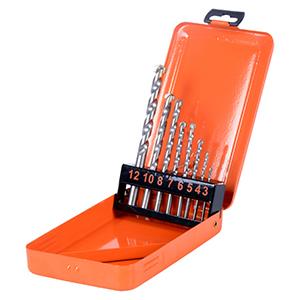
Instead, use a tungsten carbide tipped masonry drill bit specifically designed for brick, block, and concrete.
Common sizes include:
| Drill Bit Size | Typical Use |
|---|---|
| 5mm | Small fixings and clips |
| 6mm | Standard wall plugs |
| 8mm | Heavy duty fixings |
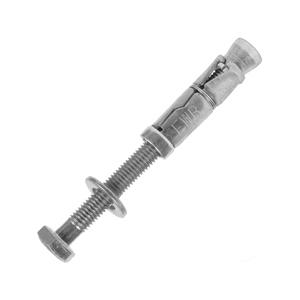
| 10mm | Larger wall plugs and anchor bolts |
Additional Equipment
You’ll also benefit from having:
- Safety glasses
- Dust mask or other suitable respiratory protective equipment
- Spirit level
- Pencil
- Tape measure
- Hearing protection, particularly when using hammer action or an SDS drill
- Detector for pipes and cables
- Vacuum or dust extractor
*Masonry drilling can produce fine silica-containing dust. Use suitable respiratory protection and dust extraction where possible, and avoid inhaling the dust.
Choosing The Right Drill Bit For Brick
Not all brickwork is the same, and choosing the correct bit can make a significant difference to both drilling speed and the quality of the finished hole.
Standard Red Brick
Most modern house bricks can be drilled using a standard masonry drill bit and hammer drill.
Engineering Brick
Engineering bricks are much denser and harder than standard facing bricks.
A high quality carbide tipped masonry bit is recommended to prevent excessive wear.
Older Brickwork
Older bricks can often be more brittle than modern alternatives.
Drill carefully at lower speeds and avoid excessive hammer action to reduce the risk of cracking.
Brick Vs Mortar
Where possible, drill directly into the brick rather than the mortar joint.
Brick provides significantly greater holding strength and is less likely to loosen over time.
Mortar may be suitable for lightweight fixings but is generally not recommended for shelves, brackets, televisions, or heavy loads.
Quick Comparison
| Surface | Difficulty | Recommended Bit |
|---|---|---|
| Red Brick | Easy | Masonry Bit |
| Engineering Brick | Medium | Premium Masonry Bit |
| Concrete Block | Medium | Masonry Bit |
| Natural Stone | Hard | SDS Masonry Bit |
Where Should You Drill Into Brick?
One of the most common causes of cracked brickwork is drilling in the wrong location.
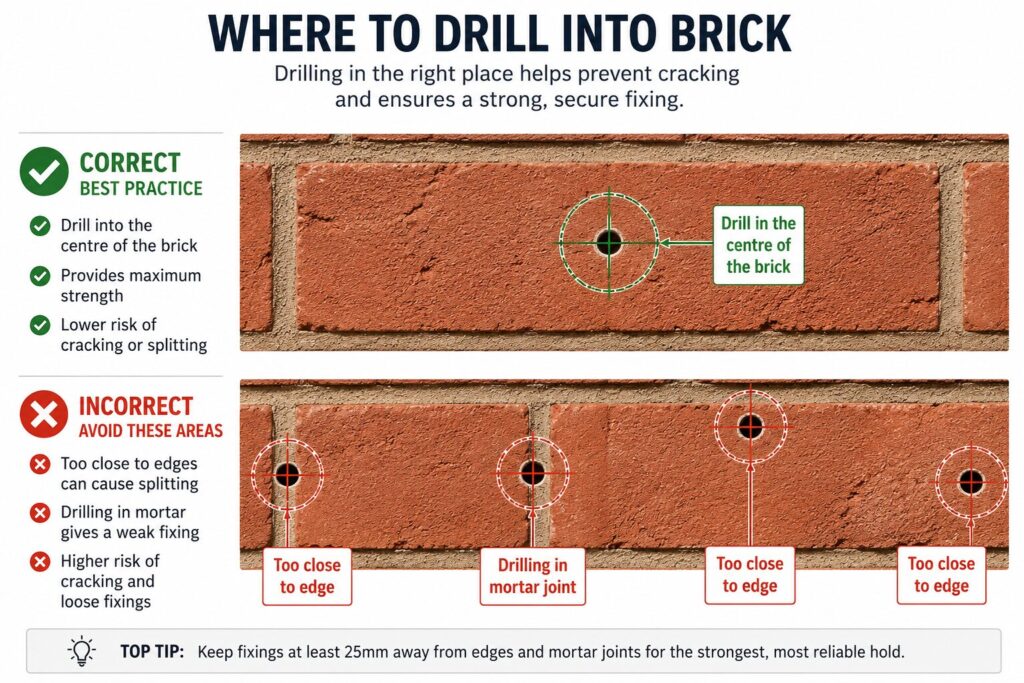
Drill Into The Centre Of The Brick
The strongest and safest position is usually the centre of the brick.
This area provides maximum structural strength and minimises the risk of cracking.
Avoid Brick Edges
Drilling too close to an edge can cause the brick to split.
As general guidance, position the hole well away from brick edges, ideally at least 25mm where space allows. For structural anchors and heavy-duty fixings, follow the manufacturer’s specified minimum edge distance.
Avoid Mortar For Heavy Loads
Mortar joints are softer than brick and generally provide less holding power.
Heavy items should always be fixed into solid brickwork.
Shop Related Categories
How To Drill Into Brick Without Cracking It
Follow these simple steps for the best results.
Step 1: Check For Pipes And Cables
Before drilling, always check the wall using a detector.
Hidden electrical cables, water pipes, and gas pipes can all be present behind brickwork.
Never assume an area is safe to drill.
Step 2: Mark The Hole Position
Use a pencil and spirit level to accurately mark where the fixing will be installed.
Double check all measurements before drilling.
Step 3: Start Slowly
Place the drill bit on the mark and begin drilling at a slow speed.
If your drill has hammer mode, consider starting without it for the first few millimetres.
This allows the bit to create a guide point and reduces the chance of it wandering.
Step 4: Apply Steady Pressure
Once the hole has started, gradually increase speed.
Allow the drill bit to do the work.
Excessive force often causes damage to the brick and increases wear on the drill bit.
Step 5: Engage Hammer Mode
When drilling deeper into brickwork, hammer action helps break up the masonry and speeds up drilling.
Maintain consistent pressure without forcing the drill forward.
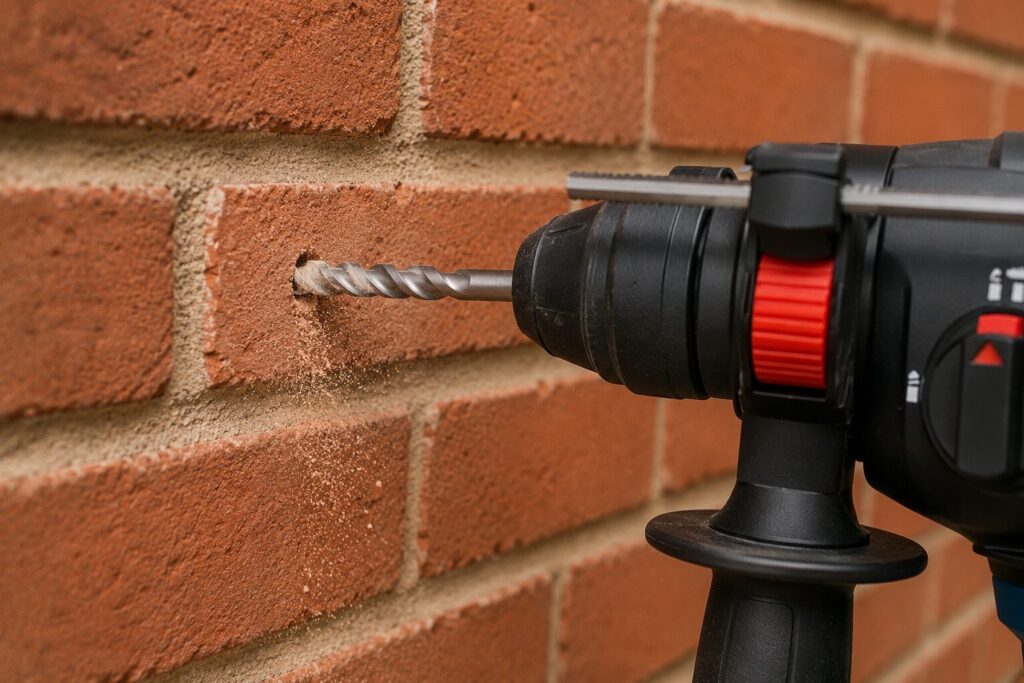
Step 6: Clear Dust Regularly
Every few centimetres, withdraw the drill bit from the hole.
This removes dust, prevents overheating, and helps maintain drilling performance.
Common Mistakes That Crack Bricks
Many damaged walls result from simple mistakes that are easy to avoid.
| Mistake | Result |
|---|---|
| Using the wrong drill bit | Poor drilling performance and damaged holes |
| Starting with hammer mode immediately | Surface cracking |
| Applying excessive pressure | Cracked bricks |
| Drilling near edges | Splitting |
| Using worn drill bits | Overheating and poor performance |
| Drilling into weak mortar | Loose fixings |
Taking your time and using the correct equipment dramatically reduces the risk of damage.
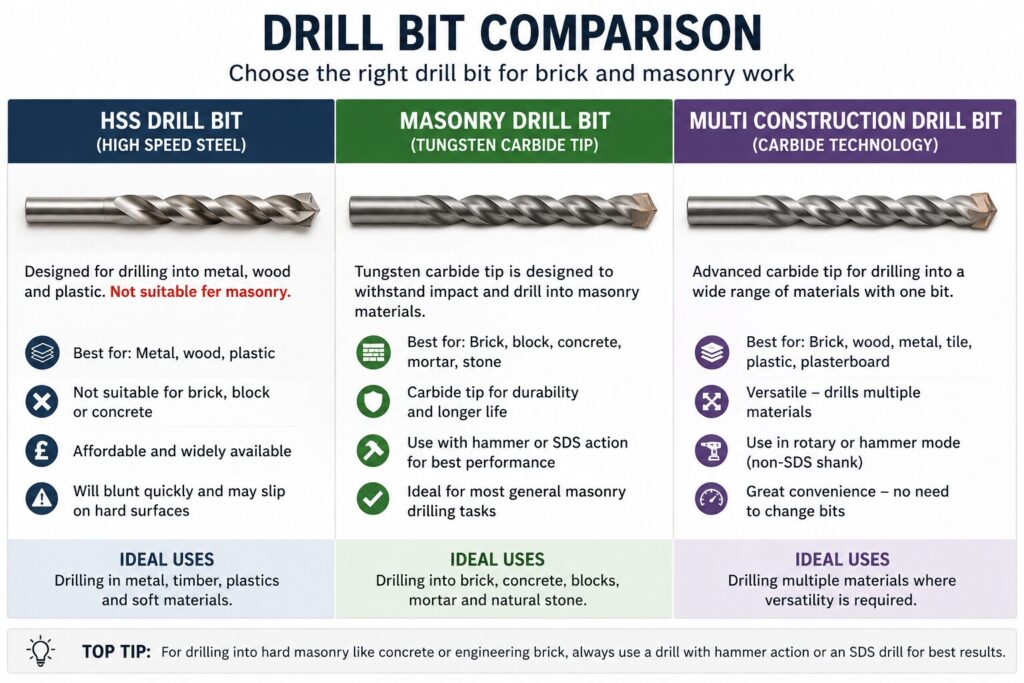
Best Drill Bits For Brickwork
Different jobs require different masonry bits.
For Occasional DIY Jobs
Standard masonry drill bits are ideal for hanging shelves, mirrors, and picture frames.
For Regular Trade Use
Premium carbide tipped drill bits offer improved durability and faster drilling.
For Larger Fixing Holes And Dense Masonry
SDS Plus masonry bits provide fast, efficient drilling for larger fixing holes and harder brickwork. For very large openings, use an appropriate masonry core bit and compatible drill.
For Multiple Materials
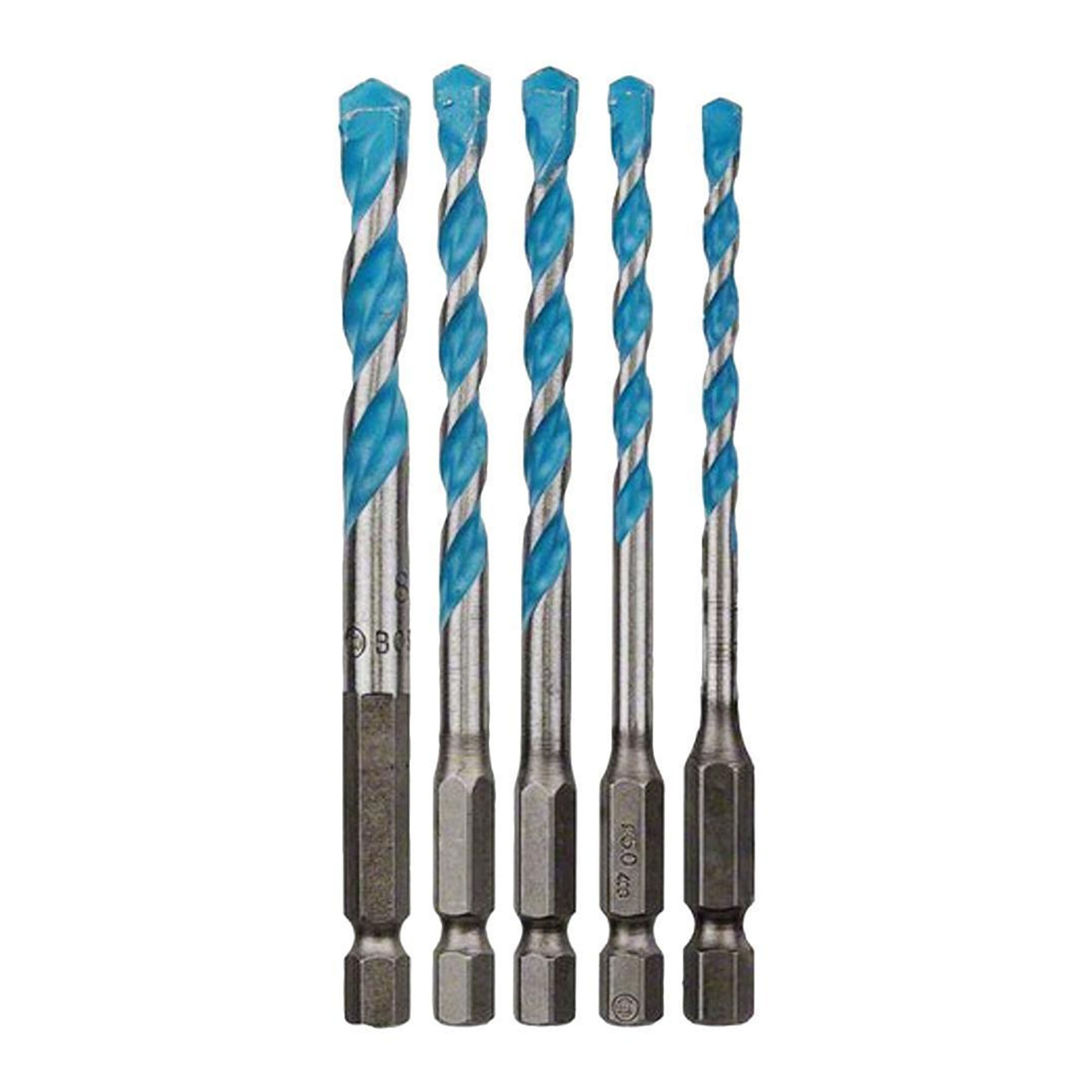
Multi construction drill bits can drill through brick, timber, tile, metal, and plastic without changing bits.
What Wall Plugs Should You Use In Brick?
Choosing the correct wall plug is just as important as drilling the hole itself.
The wall plug should match both the hole size and the fixing being used.
Wall Plug Size Guide
| Wall Plug Diameter | Drill Bit Size | Typical Screw Diameter |
|---|---|---|
| 5mm | 5mm masonry bit | Check manufacturer guidance |
| 6mm | 6mm masonry bit | Check manufacturer guidance |
| 7mm | 7mm masonry bit | Check manufacturer guidance |
| 8mm | 8mm masonry bit | Check manufacturer guidance |
| 10mm | 10mm masonry bit | Check manufacturer guidance |
“Wall plug colours and recommended screw sizes can vary between manufacturers. Always check the information supplied with the plug before drilling.”
Always ensure the hole is drilled to the correct diameter for the wall plug being installed.
A hole that is too large can result in loose fixings and reduced holding strength.
What Size Drill Bit For Wall Plugs?
Choosing the correct drill bit size for a wall plug is one of the most important steps when drilling into brick, block, or masonry. If the hole is too small, the wall plug may not fit properly. If the hole is too large, the fixing can become loose and may not support the weight it’s designed to hold.
As a general rule, the drill bit size should match the wall plug size. For example, a 6mm wall plug requires a 6mm masonry drill bit, while an 8mm wall plug requires an 8mm masonry drill bit.
Drill Bit Size Guide
| Wall Plug Size | Drill Bit Size | Typical Screw Size |
|---|---|---|
| 5mm | 5mm masonry bit | 3mm to 4mm |
| 6mm (Red) | 6mm masonry bit | 3.5mm to 5mm |
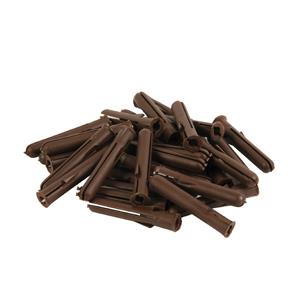
| 7mm (Brown) | 7mm masonry bit | 4mm to 6mm |
| 8mm | 8mm masonry bit | 4.5mm to 6mm |
| 10mm | 10mm masonry bit | 6mm to 8mm |
Tips For Accurate Wall Plug Holes
- Always use a masonry drill bit when drilling into brick, concrete, or blockwork.
- Drill slightly deeper than the length of the wall plug to allow dust to collect at the back of the hole.
- Remove dust from the hole before inserting the plug for the best grip.
- If the wall plug feels loose when inserted, the hole may have been drilled too large.
- For hollow walls such as plasterboard, use specialist plasterboard fixings rather than standard masonry wall plugs.
When in doubt, check the wall plug packaging, as manufacturers will normally specify the exact drill bit size required. Using the correct bit ensures a secure fixing and helps prevent damage to the surrounding brickwork.
Can You Drill Into Brick Without Hammer Mode?
Yes, you can drill into brick without hammer mode, especially if you are working with softer brick or only drilling a small hole.
However, it will usually be much slower than using a hammer drill, as the drill bit is relying on rotation alone rather than a hammering action to break into the masonry.
Hard engineering brick, dense concrete block, or older compact brickwork can be very difficult to drill without hammer mode, even with a good masonry drill bit.
For most brick drilling jobs, hammer mode is recommended because it makes the job faster, easier, and puts less strain on the drill, drill bit, and user.
Frequently Asked Questions
Can drilling into brick crack the wall?
Yes. Drilling too close to edges, using excessive pressure, or selecting the wrong drill bit can crack brickwork.
Is it better to drill into brick or mortar?
For most medium and heavy-duty fixings, sound brick generally provides better holding strength than a mortar joint. However, always consider the condition of the brickwork, the expected load and the fixing manufacturer’s guidance.
Should I use hammer mode on brick?
Hammer mode usually makes drilling into sound, dense brick faster. Start in rotary-only mode to establish the hole, then engage hammer action once the bit is stable. Continue without hammer mode when drilling particularly soft, brittle or damaged brick.
How deep should I drill into brick?
The hole should generally be slightly deeper than the wall plug or fixing being installed.
Why does my masonry drill bit keep slipping?
This usually happens when starting too quickly or on a smooth surface. Start slowly to create a guide point before increasing speed.
What drill is best for brick walls?
For most DIY and trade applications, a cordless combi drill with hammer action is ideal. For larger holes and tougher materials, an SDS drill offers greater power and efficiency.
Final Thoughts
Drilling into brick does not have to cause cracked masonry or damaged walls. Choose the correct masonry bit, position the hole away from brick edges and begin drilling slowly before applying hammer action where appropriate.
With steady pressure, regular dust clearing and a correctly sized fixing, you can produce a clean hole and a secure result without unnecessarily damaging the brickwork.