Angle grinders are among the most versatile power tools on any site.
With the right disc fitted, they can cut steel, grind welds, remove rust, trim paving slabs, cut tiles and prepare surfaces ready for finishing.
The challenge is choosing the right grinder and the right disc for the job.
Buy a grinder that is too small and you may struggle with larger materials.
Buy one that is too large and it can be unnecessarily heavy, tiring and difficult to control.
This guide explains angle grinder sizes, disc types, power options and safety features to help you choose the right tool for your work.
What Is An Angle Grinder?
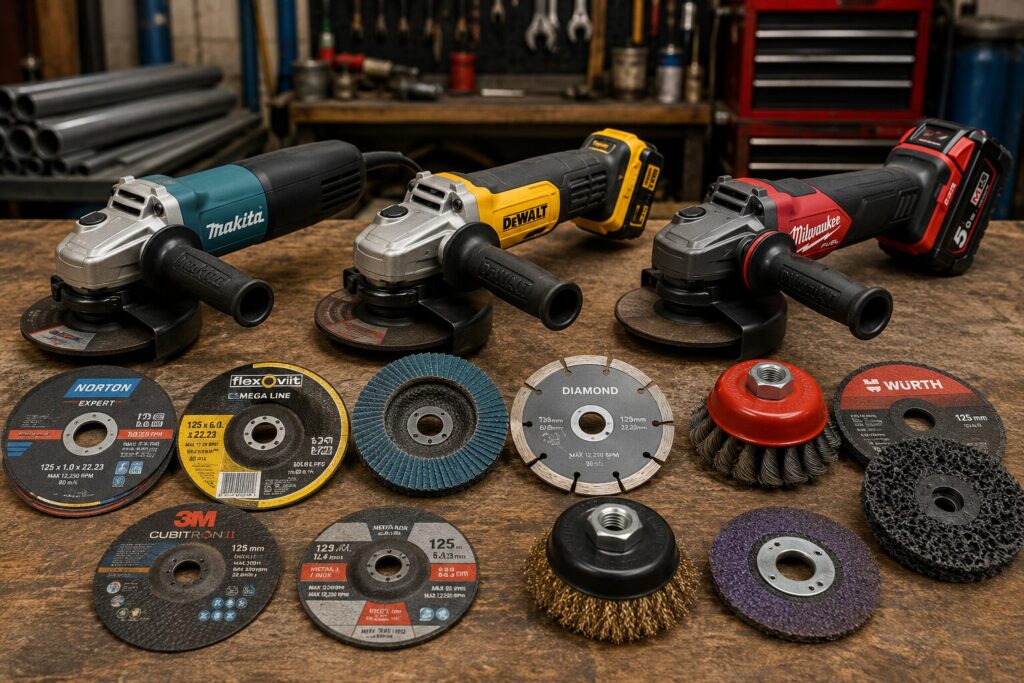
An angle grinder is a handheld power tool that spins a cutting, grinding or finishing disc at high speed.
Different discs allow the tool to perform different jobs including cutting, grinding, sanding, polishing and surface preparation.
They are commonly used by builders, fabricators, electricians, plumbers, landscapers, tilers and DIY users because one tool can handle a wide range of materials.
What Can An Angle Grinder Be Used For?
| Job | Recommended Disc |
|---|---|
| Cutting steel | Metal cutting disc |
| Cutting rebar | Metal cutting disc |
| Grinding welds | Grinding disc |
| Smoothing metal | Flap disc |
| Removing rust | Wire cup brush |
| Removing paint | Preparation disc |
| Cutting brick | Diamond blade |
| Cutting concrete | Diamond blade |
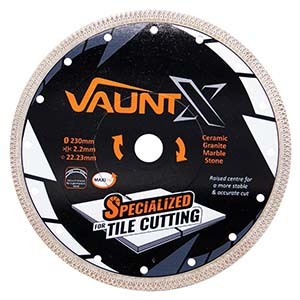
| Cutting tiles | Continuous rim diamond blade |
| Cutting paving slabs | Diamond blade |
Angle Grinder Sizes Explained
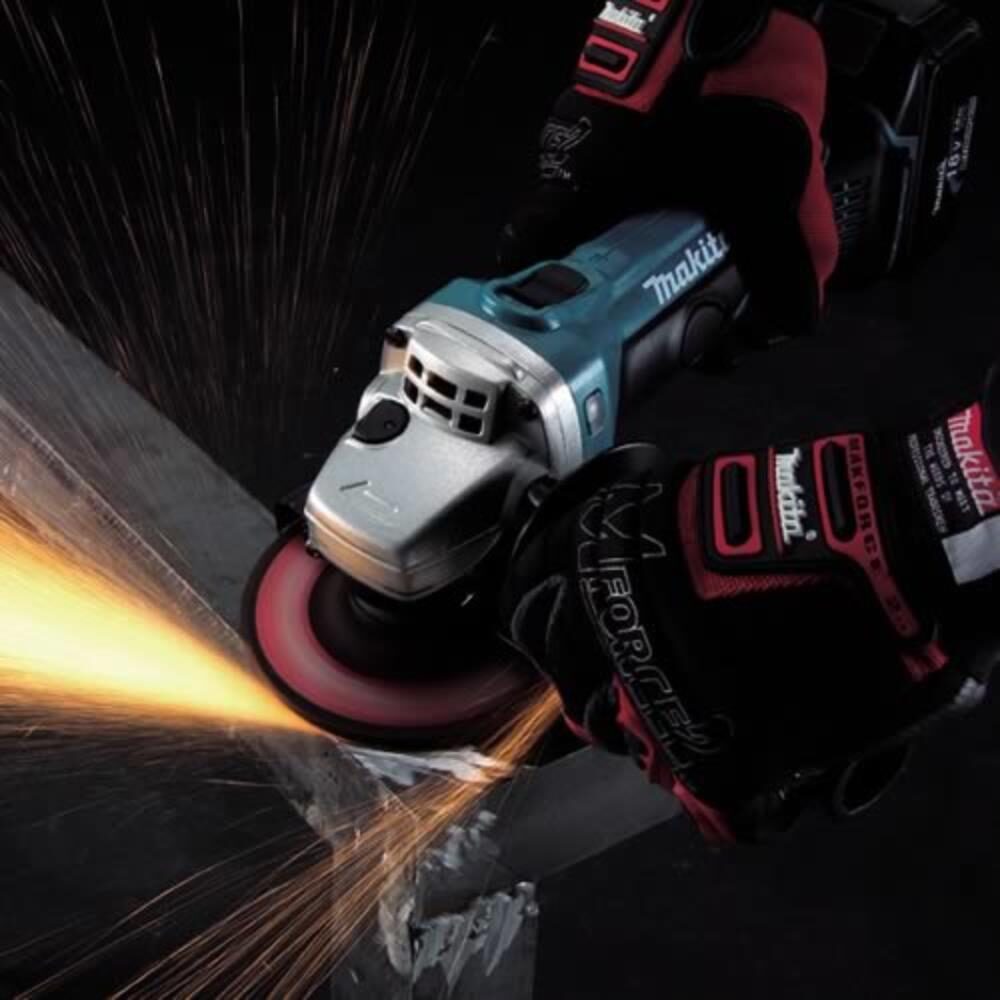
The size of an angle grinder refers to the diameter of the disc it uses.
The larger the disc, the deeper it can cut.
Smaller grinders are lighter and easier to control, while larger grinders are better for heavy cutting and masonry work.
Angle Grinder Size Comparison
| Disc Size | Typical Maximum Cut Depth | Weight | Best For |
|---|---|---|---|
| 115mm | Up to 30mm | Light | DIY and light trade work |
| 125mm | Up to 40mm | Medium | General trade work |
| 230mm | Up to 70mm | Heavy | Masonry and heavy cutting |
Which Angle Grinder Size Should You Buy?
| If You Need To… | Recommended Size |
|---|---|
| Cut bolts and metal occasionally | 115mm |
| Have one grinder for most everyday jobs | 125mm |
| Work overhead regularly | 115mm |
| Carry a grinder daily | 125mm |
| Cut paving slabs | 230mm |
| Cut concrete | 230mm |
| Do general construction work | 125mm |
115mm Angle Grinders
115mm angle grinders are best for DIY projects, light metal cutting, rust removal and working in tight spaces.
Their lighter weight makes them easier to control, especially for shorter jobs and awkward access.
125mm Angle Grinders
125mm angle grinders are the best all round choice for most tradesmen.
They offer a strong balance between cutting depth, power and control, with plenty of disc options available.
230mm Angle Grinders
230mm angle grinders are designed for heavier cutting work.
They are best suited to concrete, brick, block, paving slabs and thicker materials where deeper cutting capacity is needed.
Corded vs Cordless Angle Grinders
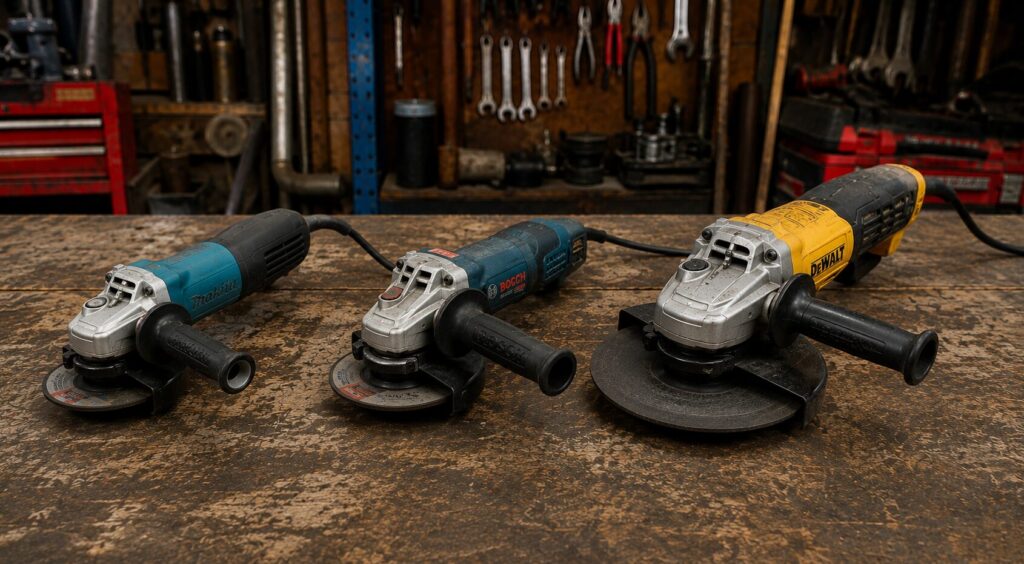
Angle grinders are available as corded or cordless models.
Corded grinders are often preferred for workshop use and longer cutting sessions.
Cordless grinders are ideal for site work, outdoor jobs and quick cuts where portability matters.
Corded vs Cordless Comparison
| Feature | Corded | Cordless |
|---|---|---|
| Runtime | Unlimited | Battery dependent |
| Portability | Limited | Excellent |
| Initial Cost | Lower | Higher |
| Site Work | Good | Excellent |
| Workshop Use | Excellent | Good |
| Convenience | Moderate | Excellent |
Most tradesmen now favour cordless angle grinders for everyday site work, while corded models remain popular in workshops where continuous runtime is important.
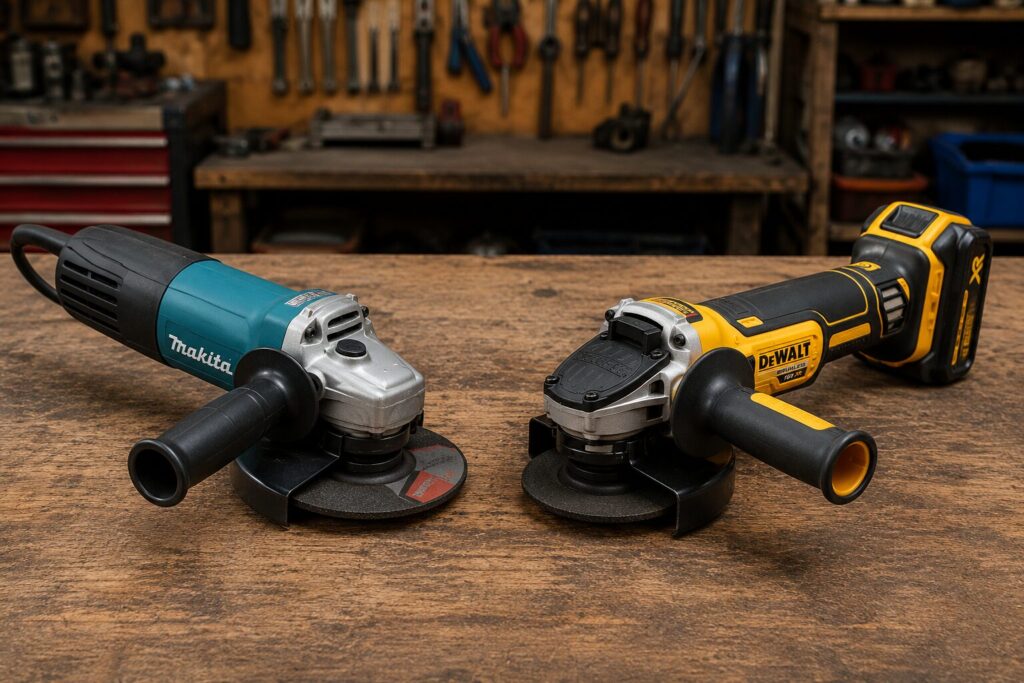
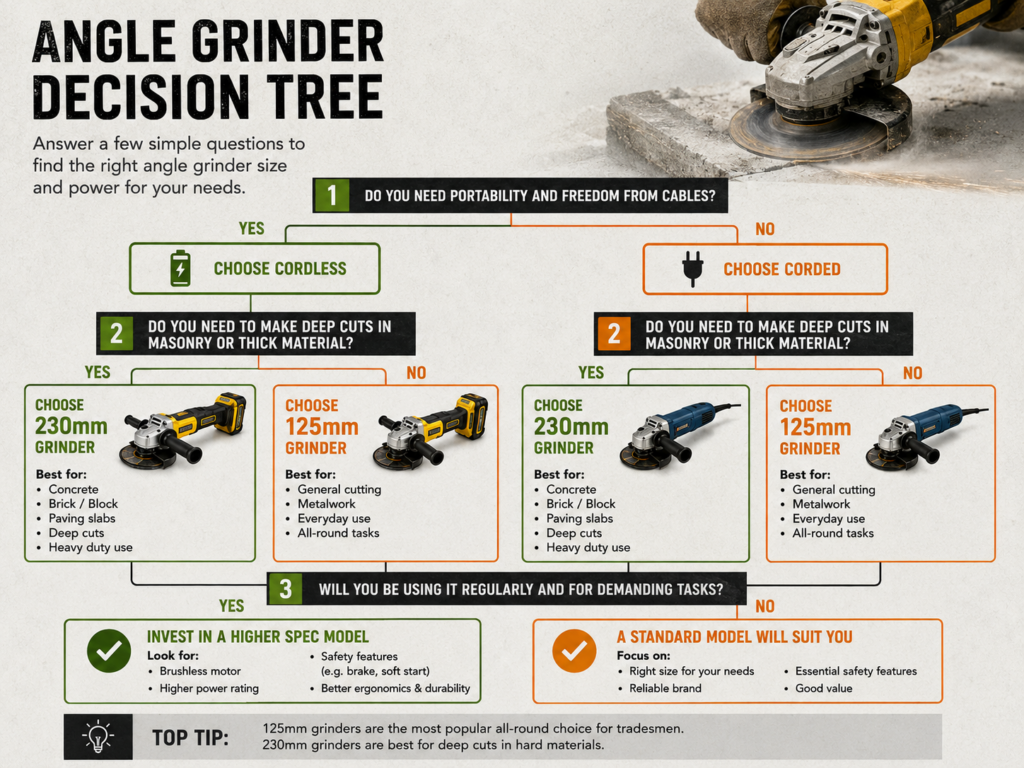
Angle Grinder Decision Tree
Choosing the right angle grinder is easier when you narrow it down by how and where you work.
The main things to consider are whether you need cordless freedom, whether you are cutting deep into masonry or thick materials, and how regularly the grinder will be used.
For most users, a 125mm angle grinder is the best all round choice because it gives a strong balance of power, control, disc availability and portability.
If you mainly need a grinder for cutting concrete, brick, block or paving slabs, a 230mm angle grinder will usually be the better option because it offers much greater cutting depth.
For lighter DIY work, occasional metal cutting or tighter spaces, a smaller 115mm grinder can still be a practical choice.
Use the decision tree below to quickly match the right grinder type and size to the jobs you do most often.
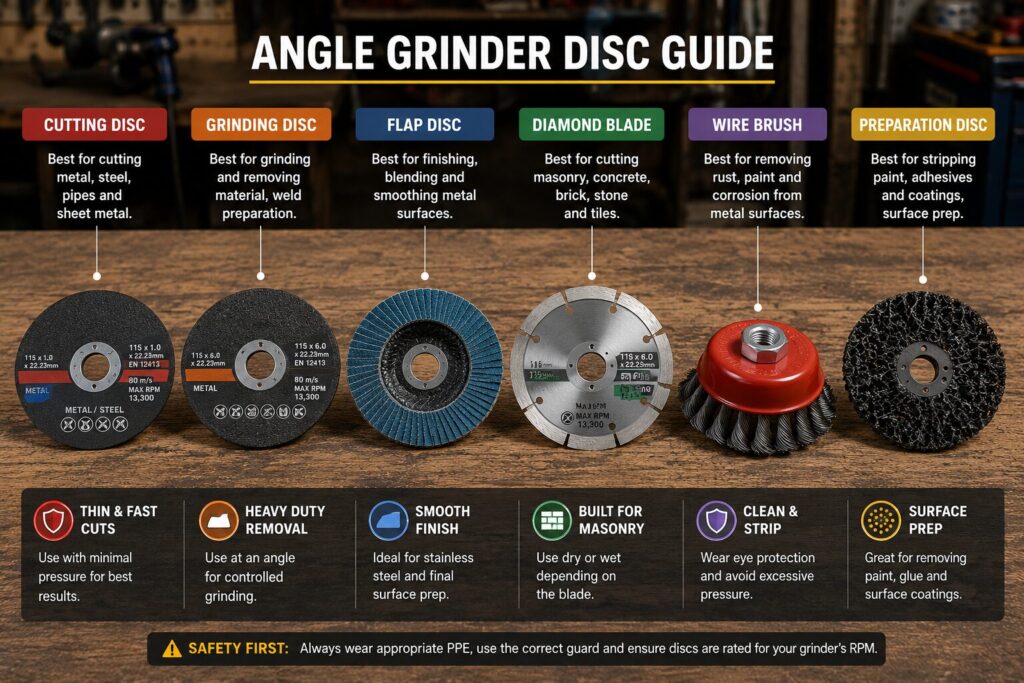
Angle Grinder Disc Types Explained
The disc you fit determines what the grinder can actually do.
Choosing the correct disc is just as important as choosing the grinder itself.
Always match the disc to the material, grinder size and task.
Angle Grinder Disc Comparison
| Disc Type | Best For | Finish |
|---|---|---|
| Cutting Disc | Metal cutting | Clean |
| Grinding Disc | Weld removal | Rough |
| Flap Disc | Finishing and blending | Smooth |
| Diamond Blade | Masonry cutting | Clean |
| Wire Brush | Rust removal | Surface clean |
| Preparation Disc | Paint and coating removal | Surface ready |
Metal Cutting Discs
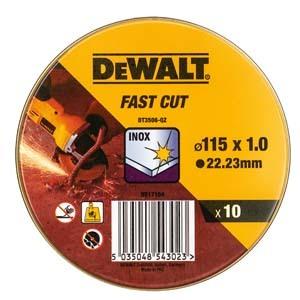
Metal cutting discs are designed for cutting steel, pipework, threaded rod, rebar and sheet metal.
Thin profiles help deliver fast, clean cuts.
Grinding Discs
Grinding discs are built for removing material quickly.
They are ideal for grinding welds, removing excess metal and shaping steel.
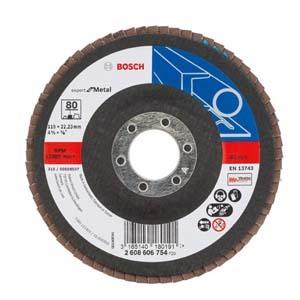
Flap Discs
Flap discs combine grinding and finishing in one accessory.
They are useful for smoothing welds, deburring edges and preparing metal surfaces.
Diamond Blades
Diamond blades are designed for cutting hard materials such as brick, concrete, paving, stone and tiles.
Segmented blades are often used for masonry, while continuous rim blades are better for cleaner tile cuts.
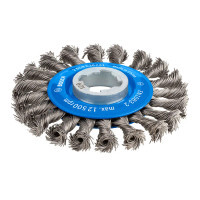
Wire Brushes
Wire brushes and wire cup brushes are used for removing rust, paint and corrosion.
They clean the surface without removing as much base material as a grinding disc.
Shop Related Categories
What Power Angle Grinder Do I Need?
Power affects how easily the grinder cuts, grinds and handles tougher materials.
For corded grinders, power is usually measured in watts.
For cordless grinders, look at voltage, motor type and battery capacity.
Corded Angle Grinder Power Guide
| User Type | Recommended Power |
|---|---|
| DIY use | 700W to 900W |
| General trade work | 1000W to 1400W |
| Heavy metal work | 1500W to 2000W |
| Concrete and masonry | 2000W plus |
Cordless Angle Grinder Voltage Guide
| Platform | Typical Use |
|---|---|
| 18V | Everyday trade work |
| 36V | Heavy duty cutting |
| 40V Max | Professional applications |
| 54V | Masonry and demanding cutting |
*Voltage alone does not determine an angle grinder’s performance, so also consider the motor type, disc size, no load speed and the manufacturer’s stated cutting and grinding capability.
Angle Grinder Features Worth Looking For
The best angle grinder features improve performance, safety and comfort.
These are especially useful if you use a grinder regularly.
Feature Comparison
| Feature | Benefit |
|---|---|
| Brushless motor | More runtime and longer tool life |
| Variable speed | Better control for different materials |
| Soft start | Reduces startup kick |
| Electronic brake | Stops disc quickly |
| Anti kickback | Improves safety if the disc jams |
| Tool free guard | Faster guard adjustment |
| Anti vibration handle | Reduces fatigue during longer use |
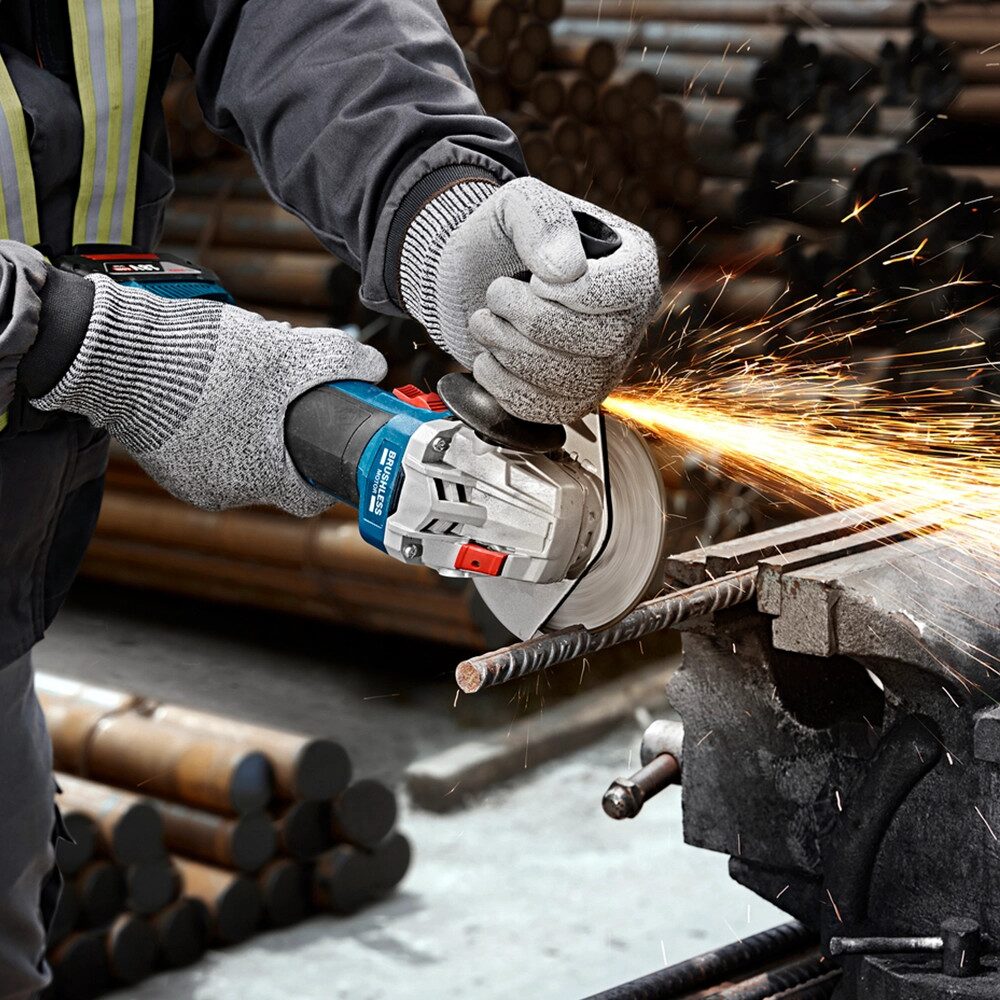
Brushed vs Brushless Angle Grinders
When choosing an angle grinder, one of the biggest decisions is whether to buy a brushed or brushless motor.
Brushed motors have been used in power tools for decades and are generally less expensive, making them a good option for occasional DIY use. However, the carbon brushes wear down over time and will eventually need replacing as part of routine maintenance.
Brushless motors use electronic controls instead of carbon brushes, making them more efficient and requiring less maintenance. They also generate less heat, deliver power more effectively and often provide longer runtime on cordless models. While brushless angle grinders usually cost more upfront, they are often the preferred choice for tradesmen who use their tools regularly.
| Feature | Brushed Motor | Brushless Motor |
|---|---|---|
| Purchase Price | Lower | Higher |
| Efficiency | Good | Excellent |
| Runtime | Shorter | Longer |
| Maintenance | Brushes wear over time | Minimal |
| Power Delivery | Good | More consistent |
| Heat Build Up | Higher | Lower |
| Tool Life | Good | Typically longer |
| Best For | Occasional DIY use | Regular trade and professional use |
For occasional home use, a brushed angle grinder can still offer excellent value. However, if you use an angle grinder frequently or already own a cordless battery platform, investing in a brushless model will usually provide better performance, improved efficiency and a longer service life.
X-LOCK Angle Grinders
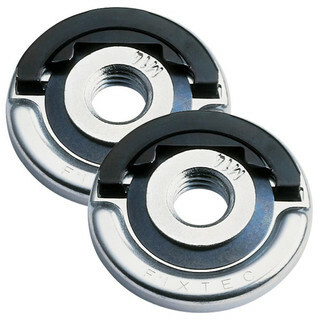
X-LOCK is a quick change accessory system developed by Bosch to make angle grinder disc changes faster and easier.
Instead of using a traditional locking nut and spanner, X-LOCK accessories click directly onto the grinder and can be released using a lever or button on the tool.
This makes it much quicker to swap between cutting discs, grinding discs, flap discs and diamond blades, especially if you change accessories regularly during the day.
One of the main benefits is convenience, as you do not need to search for a pin spanner or worry about overtightened locking nuts.
It can also help reduce downtime when moving between cutting, grinding and finishing tasks.
The important thing to remember is that X-LOCK grinders need compatible X-LOCK discs and accessories.
Standard angle grinder discs will not usually fit an X-LOCK grinder, so always check accessory compatibility before buying.
Angle Grinder Safety Guide
Angle grinders are extremely useful, but they need to be used with care.
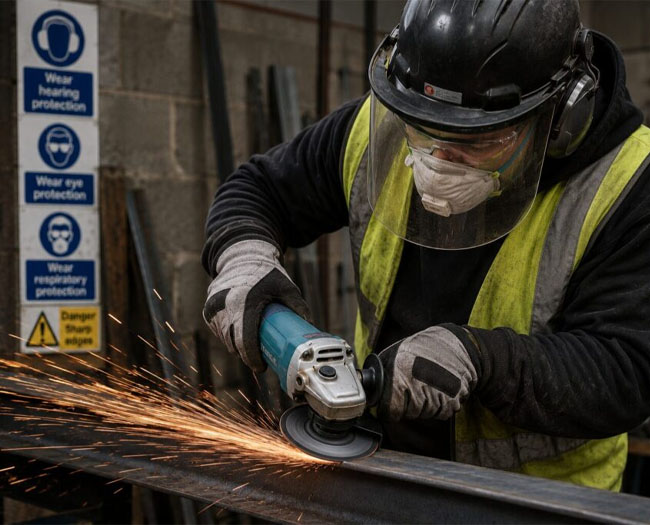
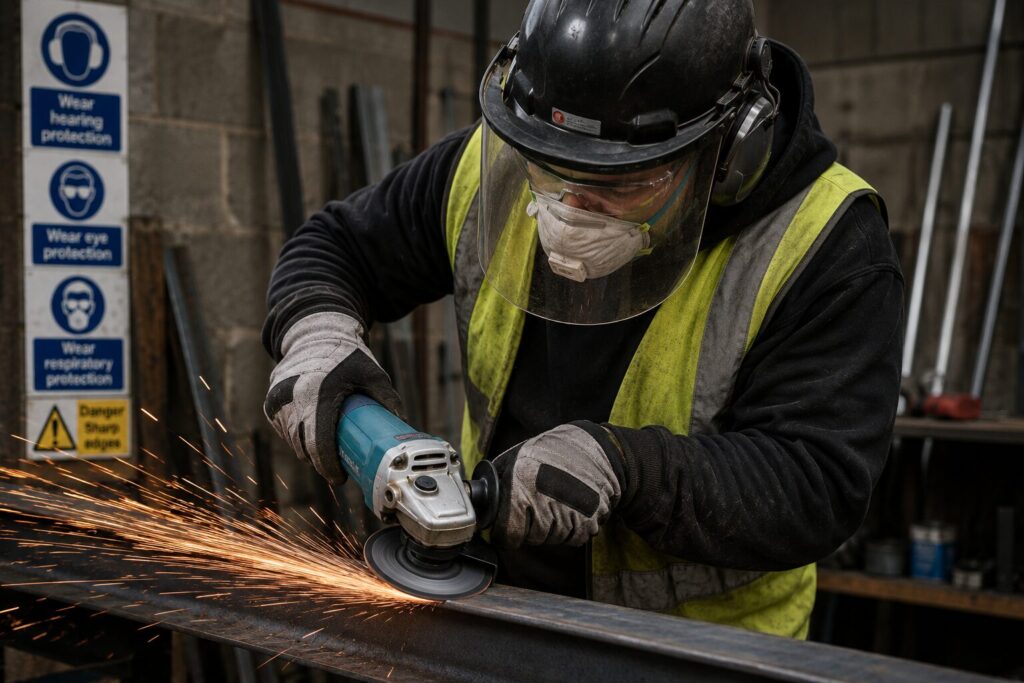
The disc spins at very high speed, so correct PPE, disc choice and handling are essential.
Angle Grinder PPE Checklist
| PPE | Recommended |
|---|---|
| Safety glasses | Yes |
| Face shield | Yes |
| Ear defenders | Yes |
| Gloves | Yes |
| Safety boots | Yes |
| Respirator Mask | Yes |
Angle Grinder Safety Dos And Don’ts
| Do | Don’t |
|---|---|
| Inspect discs before use | Use damaged discs |
| Keep guards fitted | Remove guards |
| Clamp workpieces securely | Hold materials by hand |
| Use the correct disc | Use cutting discs for grinding |
| Wear suitable PPE | Ignore dust protection |
| Let the disc reach full speed | Force the grinder through the cut |
Before Every Use
Check the disc for cracks, chips or damage.
Confirm the disc is suitable for the material.
Make sure the guard is correctly positioned.
Check the side handle is secure.
Ensure the workpiece is stable.
Which Angle Grinder Should You Buy?
The best angle grinder depends on the jobs you do most often.
For most users, a 125mm grinder is the best all round option.
For light DIY work, 115mm may be easier to manage.
For masonry and paving, 230mm gives the cutting depth needed.
Angle Grinder Buyer Selector
| User Type | Recommended Grinder |
|---|---|
| DIY user | 115mm |
| Electrician | 125mm cordless |
| Plumber | 125mm cordless |
| Fabricator | 125mm high power |
| Landscaper | 230mm |
| Bricklayer | 230mm |
| General builder | 125mm |
| Multi trade user | 125mm |
frequently asked questions
What Size Angle Grinder Is Best?
A 125mm angle grinder is the best all round option for most users because it balances cutting depth, power and control.
Can An Angle Grinder Cut Concrete?
Yes, an angle grinder can cut concrete when fitted with a suitable diamond blade. For deeper concrete cutting, a 230mm grinder is usually the better option.
Can An Angle Grinder Cut Brick?
Yes, an angle grinder can cut brick with a diamond masonry blade. A 125mm grinder can handle smaller cuts, while a 230mm grinder is better for deeper brick and block cutting.
Which Angle Grinder Disc Lasts Longest?
Diamond blades generally last the longest when cutting masonry materials such as concrete, brick and stone. For metalworking, high quality flap discs and grinding discs typically last longer than thin cutting discs, which are designed to wear away during use.
Can You Sharpen Blades With An Angle Grinder?
Yes. An angle grinder fitted with a grinding or flap disc can sharpen tools such as lawn mower blades, axes and garden tools. Care should be taken to maintain the correct angle and avoid overheating the metal.
Can Angle Grinders Remove Rust?
Yes. Fitted with a wire cup brush, wire wheel or stripping disc, an angle grinder can quickly remove rust, paint and surface corrosion, making it ideal for cleaning metal before painting or welding.
What RPM Do Angle Grinders Spin At?
Most 115mm and 125mm angle grinders operate between 10,000RPM and 12,000RPM, while larger 230mm models typically run between 6,000RPM and 6,600RPM. Always use discs that are rated for your grinder’s maximum speed.
Can Left Handed People Use An Angle Grinder?
Yes. Most angle grinders can be used comfortably by both left and right handed users because the side handle can usually be fitted on either side. Always position the guard correctly and maintain a secure two handed grip during use.
Can You Use An Angle Grinder On Wood?
Angle grinders are not generally recommended for cutting wood unless using a specialist accessory designed for that purpose. For most timber cutting jobs, a circular saw, jigsaw, reciprocating saw or multi tool is safer and more suitable.
Can You Use A Cutting Disc For Grinding?
No. Cutting discs are thin and designed for straight cutting only. For grinding, always use a proper grinding disc.
Are Cordless Angle Grinders Powerful Enough?
Yes, modern brushless cordless angle grinders are powerful enough for most trade applications. Higher voltage platforms and larger batteries are better for demanding cutting and grinding work.
Final Thoughts
An angle grinder is one of the most useful tools you can own, but only when it is matched to the job.
For most tradesmen, a 125mm grinder offers the best balance of size, power and control.
For light DIY jobs and tight access work, a 115mm grinder is easier to manage.
For concrete, brick, block and paving slabs, a 230mm grinder is the better choice.
The disc matters just as much as the grinder.
Use cutting discs for metal, grinding discs for weld removal, flap discs for finishing, wire brushes for rust removal and diamond blades for masonry or tile work.
Always keep the guard fitted, wear the right PPE and check every disc before use.
Get the setup right and an angle grinder will help you cut, grind, clean and prepare materials quickly, safely and accurately.