


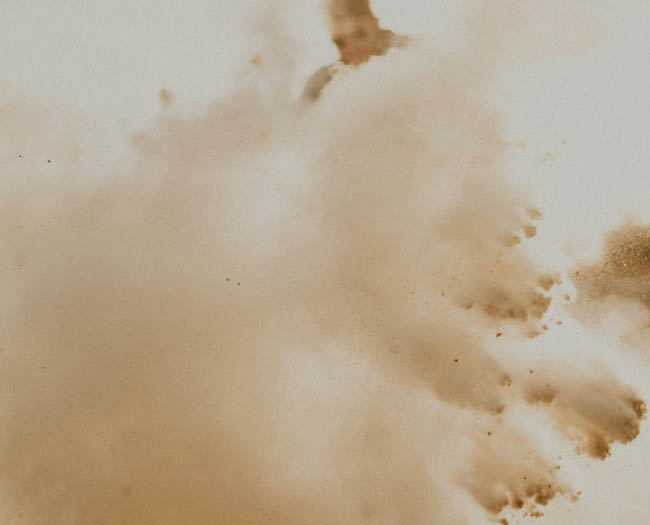
It’s everywhere. It’s sneaky. It gets up your nose, sticks to your clothes, and settles on every tool you own. But more than being an everyday nuisance, dust on construction sites can be a serious threat to your health. The worst part? You can’t always see the particles that do the most damage.
So, let’s break down what dust actually is, why it’s more dangerous than you think, and how you can stop it from turning your lungs into something resembling a worn-out vacuum bag.
What are the different types of dust, and why do they matter?
Not all dust is created equal. Some is just a harmless inconvenience. Others? They’re tiny assassins waiting to ruin your day.
Silica Dust – The Silent Killer
This nasty customer comes from concrete, cement, brick, and sandstone. You might think, “It’s just a bit of dust, how bad can it be?” Well, very bad. Silica dust can scar your lungs (silicosis), trigger lung cancer, and cause a range of other life-threatening conditions. Even a small amount, over time, is enough to do serious damage. Around 500 UK construction workers die each year from exposure to silica dust (HSE, UK). Think of it as asbestos’ equally evil cousin.
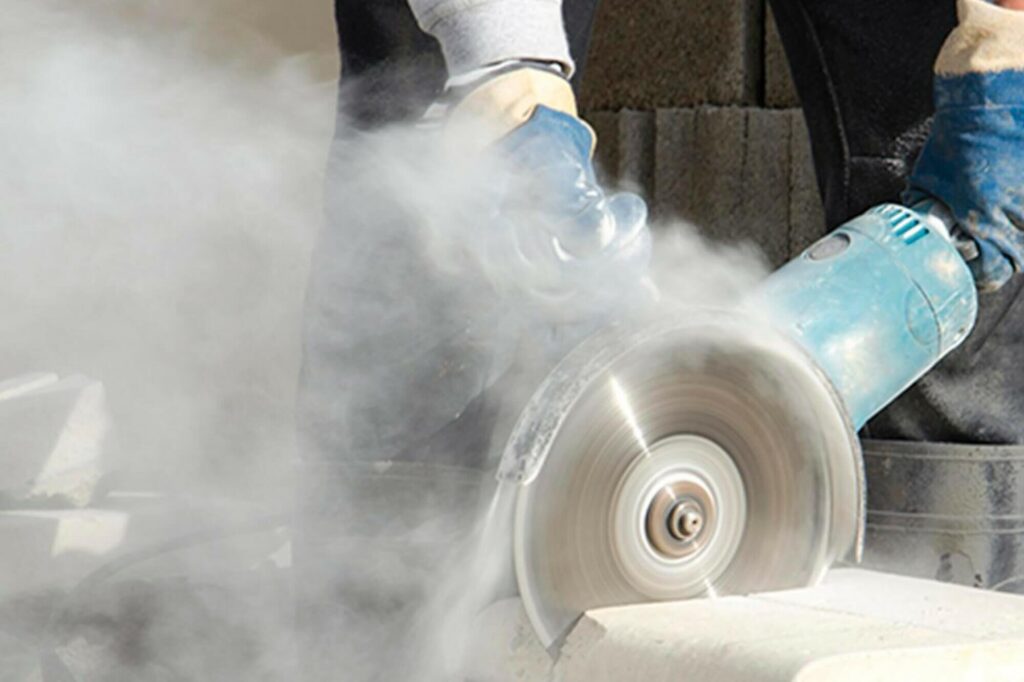
Wood Dust – The Carcinogenic Carpenter’s Companion
Wood dust isn’t just sawdust floating around like something out of a festive snow globe. Long-term exposure irritates your eyes, nose, and lungs – and hardwood dust in particular is linked to nasal cancer. And let’s not forget old timber that’s full of chemical nasties like pesticides and paints. Renovation work? That’s a cocktail of allergens you don’t want to breathe in.
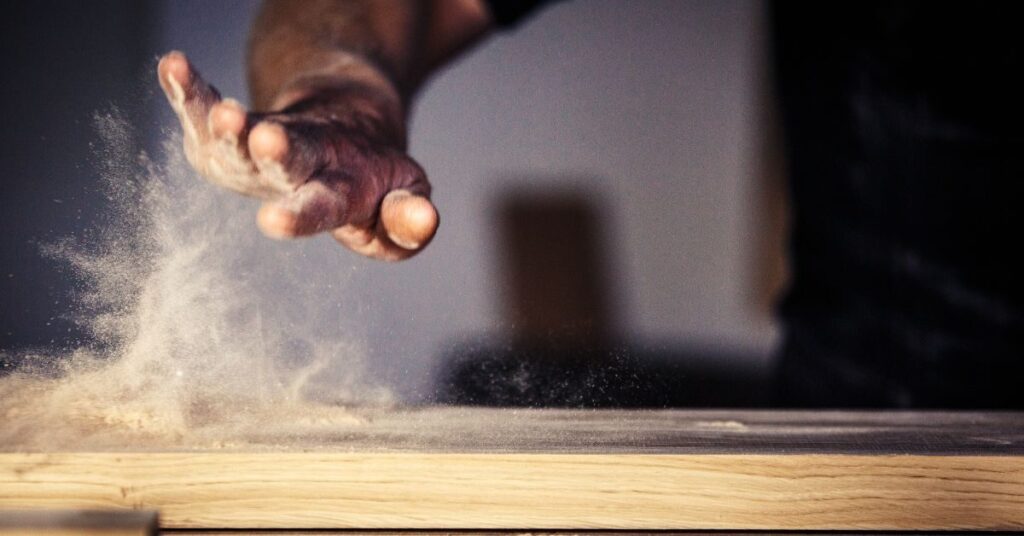
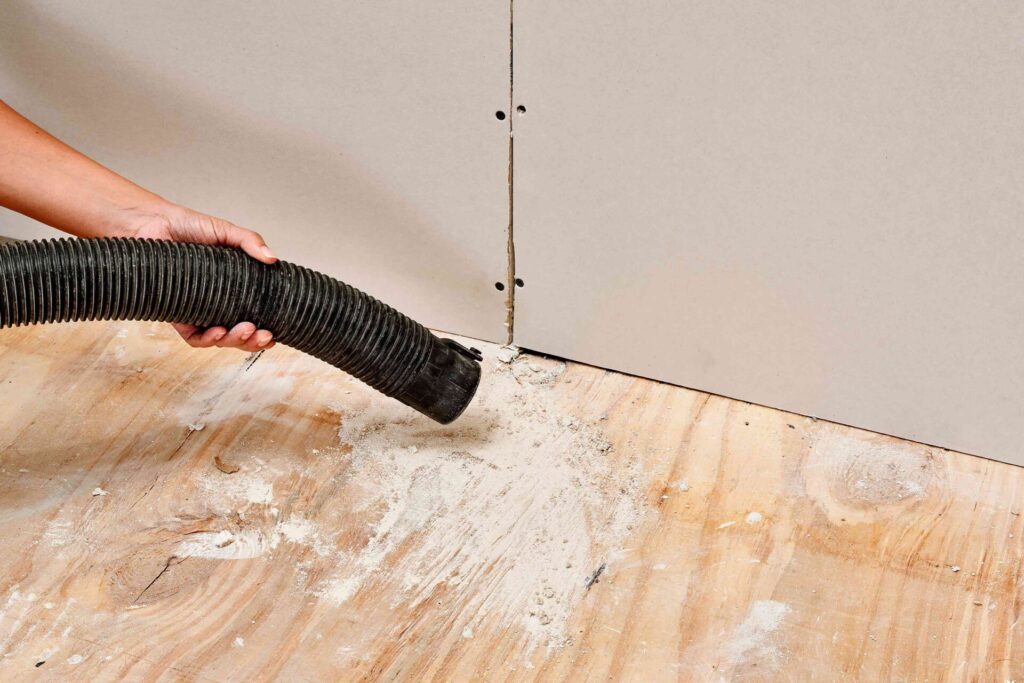
Gypsum Dust – Low Risk, Still a Pain
Coming from drywall and plaster, gypsum dust isn’t the deadliest on the list, but that doesn’t mean it’s harmless. It can irritate your throat and nose and leave you coughing like a 40-a-day smoker. Over time, it can still cause lung issues if you’re not careful.
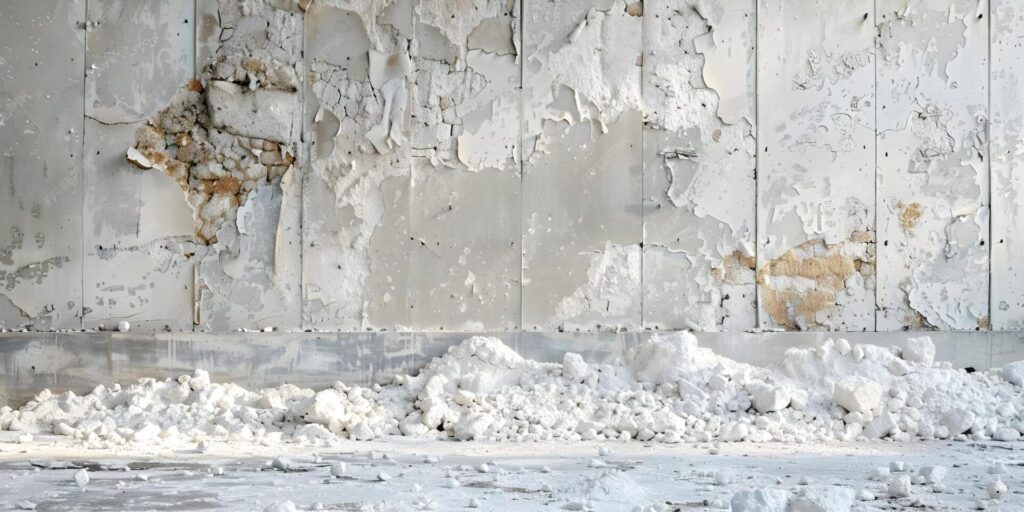
Asbestos Dust – The Big One
If you’re working on an older building, asbestos might be hiding in the tiles, roofing, or insulation. Even a single fibre can lead to mesothelioma or asbestosis years later. This isn’t just a risk – it’s a known killer. Asbestos-related disease kills around 5,000 workers in the UK every year (more than road traffic accidents). If there’s any suspicion of asbestos, stop and call in the specialists. This is not the dust to mess with.
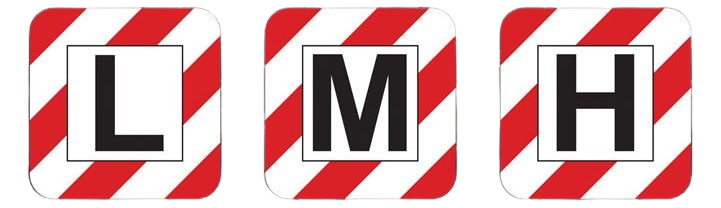
What do the L, M, and H dust classes mean, and why is it important to stay compliant with them?
Dust extractors are divided into three classes and picking the right one can literally save your life. Studies show that using on-tool extraction can reduce dust levels by up to 90% compared to no extraction.
- L-Class (Low Hazard): Good for harmless household dust. Think of it as the “entry-level” vacuum – fine for your garage but not allowed on a professional building site.
- M-Class (Medium Hazard): The construction site workhorse. Handles silica, wood, and paint dust. If you’re sanding, cutting, or drilling, this is the minimum you should be using.
- H-Class (High Hazard): The big guns. This extractor captures asbestos, mould spores, and other highly toxic dusts. It’s required by law for hazardous materials and offers almost “dust-free” air.
S.T.O.P – The Four-Step Defence Against Dust
When it comes to dust control, think S.T.O.P. No, not as in “stop working” (we wish), but as in:
- Substitution – Don’t make dust in the first place. Use adhesives, putty, or nailers instead of drilling when you can. Less dust, less drama.
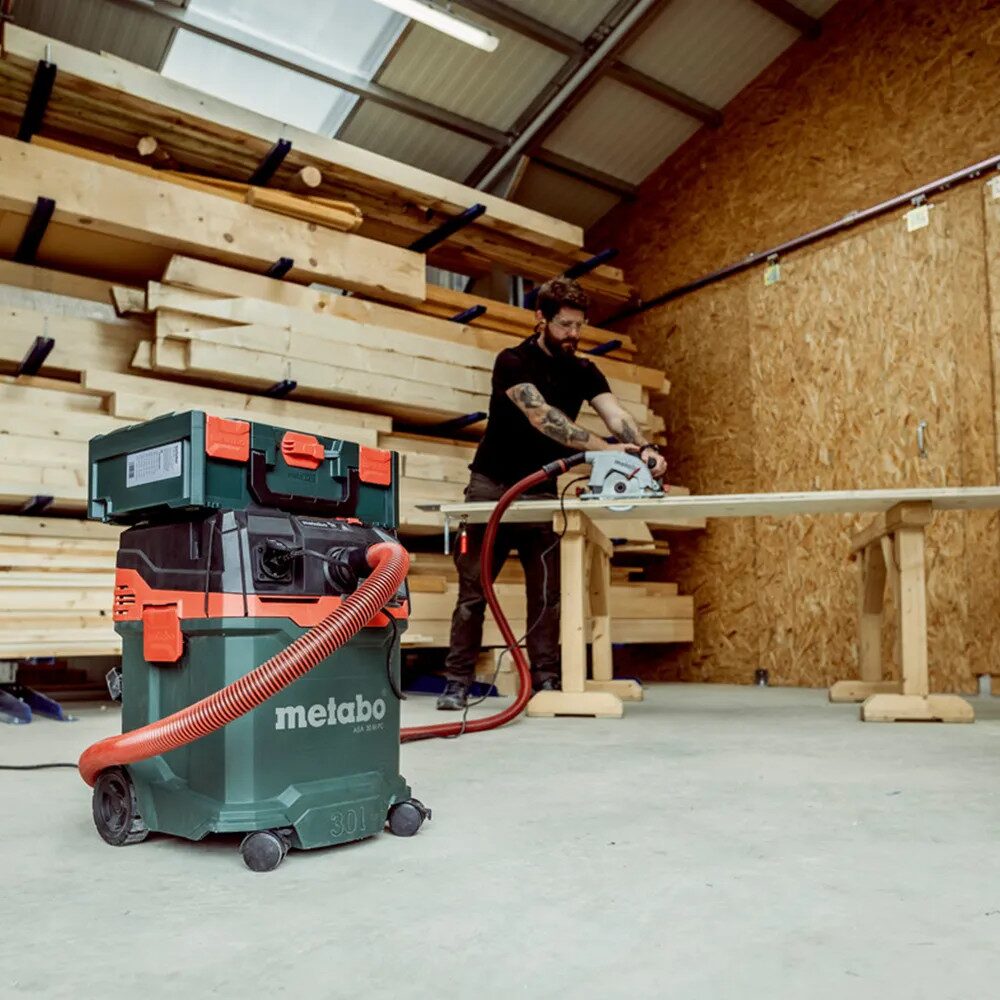
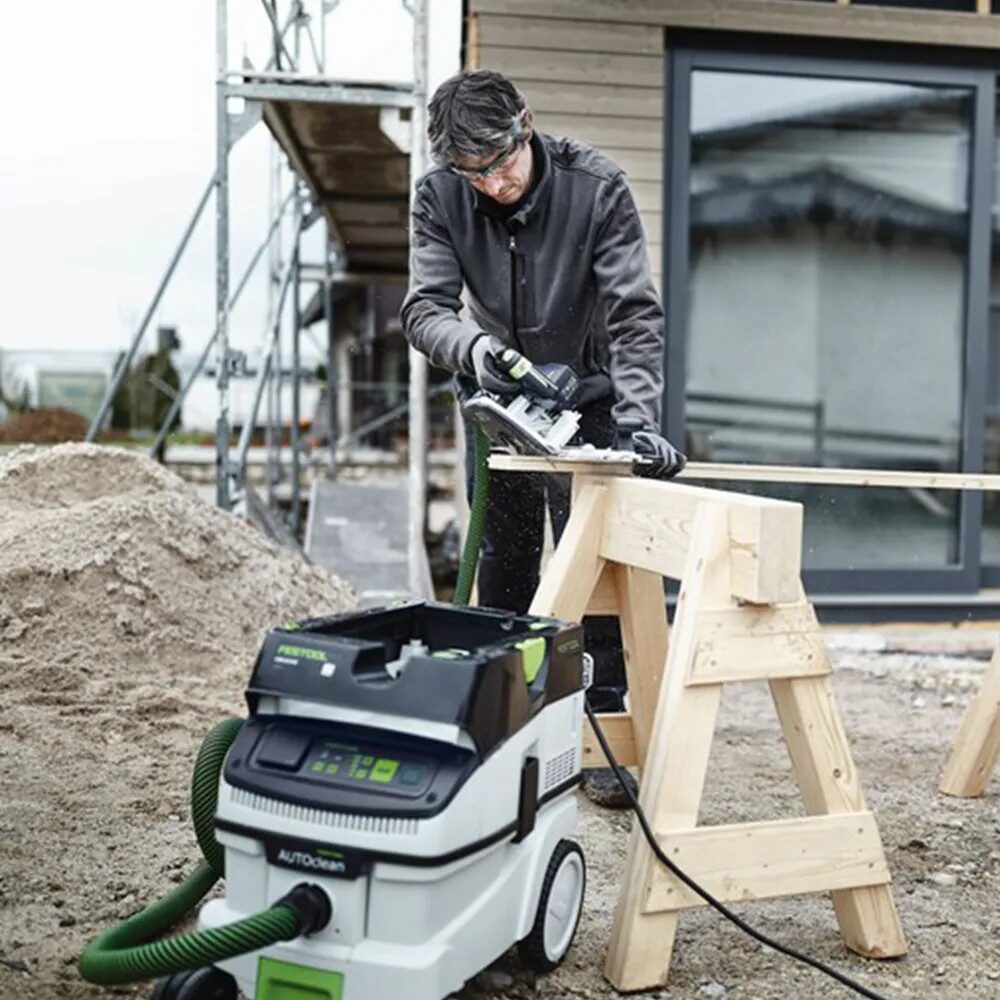
- Technical Measures – Use on-tool extraction and dust filters. A sander hooked up to an extractor is like Batman with Robin – they’re just better together.
- Organisational Measures – Get everyone on the team involved. Train, plan, and work smarter to keep dust levels down.
- Personal Protective Equipment – When all else fails, wear the right PPE. Dust masks and respirators aren’t fashion statements, but they could save your lungs.
Why Dust is Deadlier Than You Think?
Here’s the scary bit: diseases caused by dust don’t show up overnight. They creep up on you years later, long after you’ve forgotten that day you sanded a few boards without a mask. Conditions like silicosis, COPD, and occupational asthma are irreversible. The UK’s HSE reports 39,000 workers suffering from breathing issues and around 8,000 deaths annually from occupational cancers – many linked to dust. Globally, occupational lung diseases are the most common work-related illness, affecting millions of workers.
The takeaway? Don’t think “it won’t happen to me.” Dust doesn’t discriminate.
How Do You Choose The Right Dust Extractor?
When selecting a dust extractor, consider what you’re working with:
L-Class
For DIY projects and non-toxic dusts, L-Class vacuums are the entry-level solution. They are suitable for light cleaning tasks such as clearing out the shed, home workshops, or occasional use, but they are not intended for professional job sites. With strong filtration performance, they help protect users by capturing fine particles that can otherwise become airborne, reducing irritation and keeping your workspace cleaner. L-Class machines are particularly useful for woodworking, sanding, and general construction tasks where only low-risk dust is present. While they are the most affordable option, it is important to understand their limitations—these vacuums are not designed to handle hazardous or legally regulated dust. For tradesmen working with higher-risk materials, stepping up to M-Class or H-Class will ensure compliance and improved long-term health protection.
m-Class
The go-to choice for most trades, M-Class vacuums strike the balance between safety, compliance, and performance. They meet the minimum legal requirement on job sites and are designed to capture medium-risk dust that can pose serious threats to lung health if left uncontrolled. Commonly encountered materials like softwood, brick, concrete, and tile dust all fall within the M-Class category, making these vacuums essential for construction, carpentry, and renovation work. By filtering harmful particles at a much higher efficiency than L-Class machines, they significantly reduce the risk of respiratory illness over long-term use. Importantly, using M-Class isn’t just about health—it’s also about compliance. Failure to use the right extraction system can result in costly HSE fines, with fees for intervention reaching up to £183 per hour. Investing in M-Class extraction ensures peace of mind, keeping your team safe, your site compliant, and your costs under control.
H-Class
The H-Class vacuum is designed for the most dangerous dusts, including asbestos, silica, and carcinogenic particles. With the highest level of filtration available, these machines are built for environments where exposure to dust could cause severe or long-term health risks. H-Class extraction is the only safe solution when working with high-risk materials, ensuring compliance with strict safety regulations while protecting users against potentially life-threatening hazards. These vacuums are essential for industries such as demolition, hazardous waste handling, and specialist construction where no compromises on safety can be made. By delivering maximum protection and reliability, H-Class units safeguard both tradesmen and the worksite, offering complete peace of mind when dealing with the most dangerous forms of dust.
Remember: even the best extractor won’t help if you don’t use it properly. Keep filters clean, bags sealed and never cut corners on safety.
Final Thoughts: Don’t Let Dust Win
Dust might seem harmless, but it’s a hidden killer on job sites. It doesn’t just affect the person creating it – it spreads, lingers, and can harm anyone nearby. The good news? With the right gear, the right approach, and a little bit of common sense, you can keep it under control.
So next time you fire up the saw or sander, ask yourself:
Are you prepared to stop the dust – or is the dust going to stop you?
Stay safe out there. Your lungs will thank you.
SHOP ALL VACUUMS & DUST EXTRACTORS
The guide should also have covered the dangers posed by lead paint and MDF wood.