If you’ve ever compared power tool batteries, you’ve probably noticed the Ah rating printed alongside the voltage. But what does it actually mean, and how much difference does it make when you’re working?
Ah stands for ampere-hours and measures a battery’s electrical charge capacity. In cordless power tools, a higher Ah rating generally means longer runtime when comparing compatible batteries at the same voltage under similar working conditions.
For example, an 18V 5.0Ah battery has 2.5 times the rated charge capacity of an 18V 2.0Ah battery. That does not guarantee exactly 2.5 times the runtime, because the tool, workload, temperature and battery design affect how much work you can complete.
Ah is not a direct measure of power output. To choose a power tool battery, check compatibility first, then consider capacity, power delivery, weight and handling.
What Does Ah Mean on a Battery?
Ah stands for ampere-hours, often shortened to amp-hours. It measures a battery’s electrical charge capacity.
For power tool users, this generally means a higher Ah battery can keep a tool running for longer between charges when comparing batteries at the same voltage under similar conditions.
For example, an 18V 5.0Ah battery has more charge capacity than an 18V 2.0Ah battery. If both are suitable for your drill, the 5.0Ah pack will generally let you do more work before needing a recharge.
However, Ah does not tell you exactly how many minutes a battery will last. It also does not directly tell you how powerful the battery is.
What Does an Amp-Hour Actually Mean?
One amp-hour represents one amp of electrical current supplied for one hour.
As a simplified example, a 5.0Ah battery supplying a steady 1 amp would theoretically last five hours. Supplying a steady 5 amps, it would theoretically last one hour.
Power tools don’t draw a steady current throughout a job, though. Drilling a large hole through tough timber demands more from the battery than driving a small screw.
A 5.0Ah battery therefore does not mean five hours of use. Its actual runtime depends on the tool, the workload and the operating conditions.
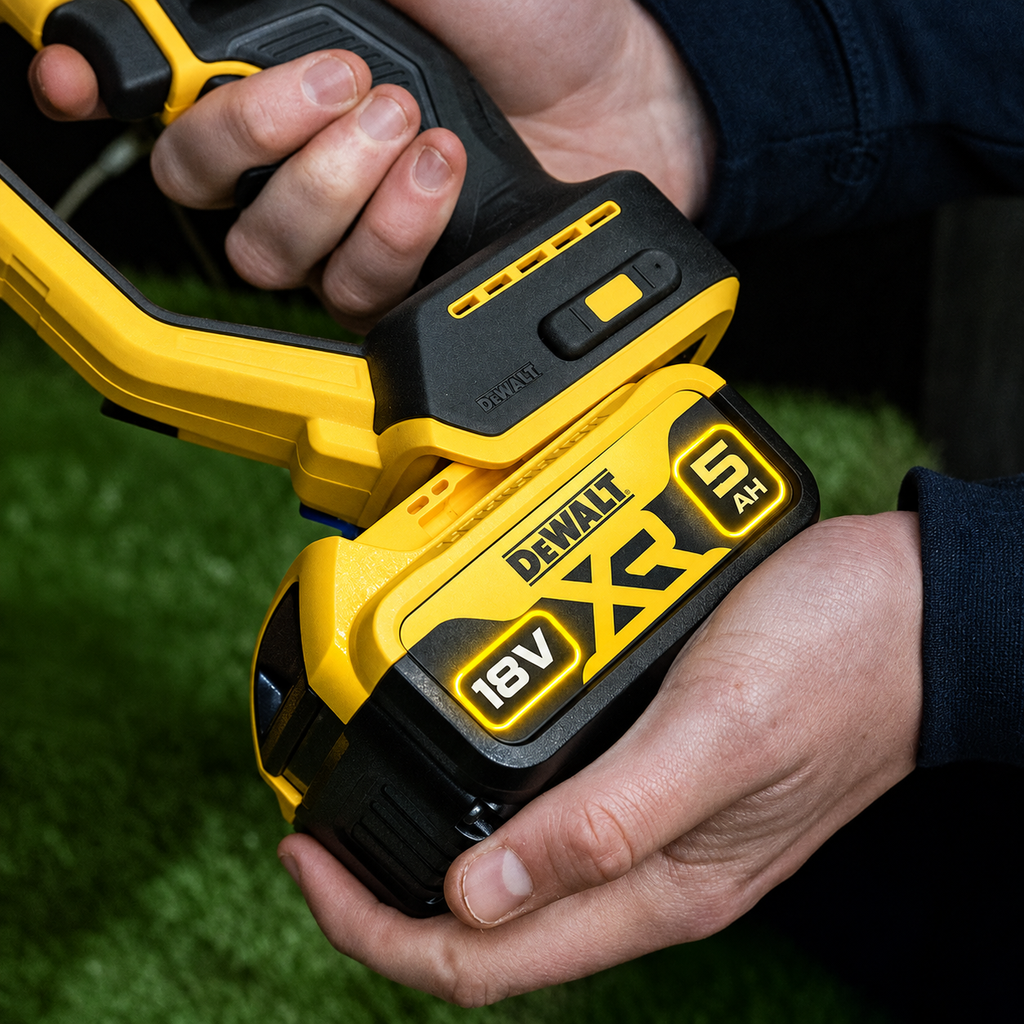
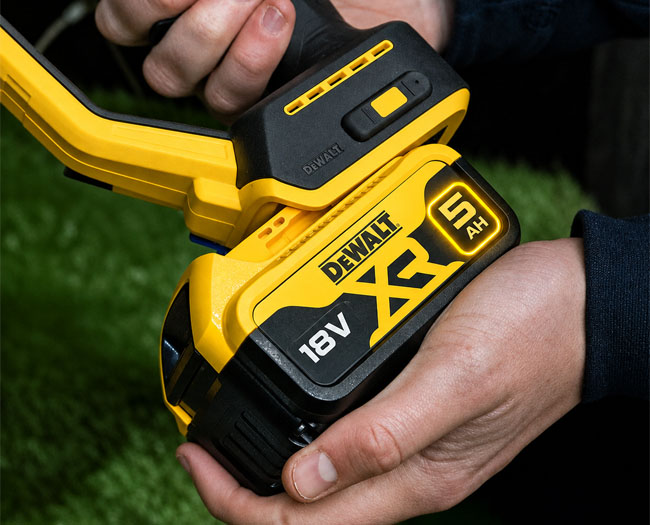
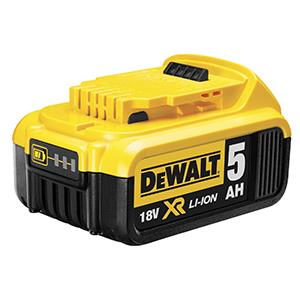
18V identifies the battery’s voltage, while 5Ah identifies its charge capacity.
What Is the Difference Between Ah and Voltage?
Voltage and Ah describe different characteristics of a battery, so you need to consider both.
Voltage identifies the battery’s operating voltage, while Ah describes its charge capacity. You need a battery approved for your tool’s platform, then you can compare capacities within that system.
| Battery rating | What it means | Why it matters |
|---|---|---|
| Voltage, V | The battery’s electrical voltage | Your battery must be approved for the tool’s voltage and platform. |
| Ampere-hours, Ah | Electrical charge capacity | Higher Ah generally supports longer runtime at the same voltage. |
| Watt-hours, Wh | Nominal stored energy | Helps compare energy capacity across different voltages. |
What About Watt-Hours?
You can calculate a battery’s nominal energy capacity using:
Watt-hours = nominal voltage × ampere-hours
For example:
| Battery specification | Calculated nominal energy |
|---|---|
| 18V 2.0Ah | 36Wh |
| 18V 5.0Ah | 90Wh |
| 36V 2.5Ah | 90Wh |
An 18V 5.0Ah battery and a 36V 2.5Ah battery have the same calculated nominal energy capacity, despite having different Ah ratings.
That does not make them interchangeable or mean they will run different tools for the same length of time. It shows why comparing Ah alone across different voltage systems can be misleading.
Use nominal voltage for this calculation, rather than mixing nominal ratings with maximum-voltage branding.
Does a Higher Ah Battery Last Longer?
Generally, yes. When comparing suitable batteries at the same voltage, a higher Ah rating usually means longer runtime in the same tool doing comparable work.
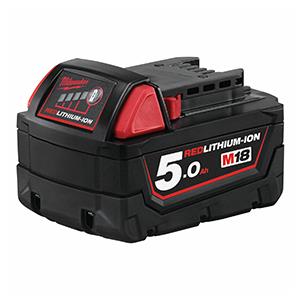
A 5.0Ah battery has 2.5 times the rated charge capacity of a 2.0Ah battery. However, that does not guarantee exactly 2.5 times as many holes, cuts or driven screws.
Actual runtime depends on several factors:
- The tool: Different tools place different demands on the battery.
- The workload: Tougher materials and heavier applications generally use charge faster.
- Battery condition: An older, worn battery may provide less usable capacity.
- Temperature: Operating conditions can affect performance.
- Accessory condition: A blunt blade or worn drill bit can make the tool work harder.
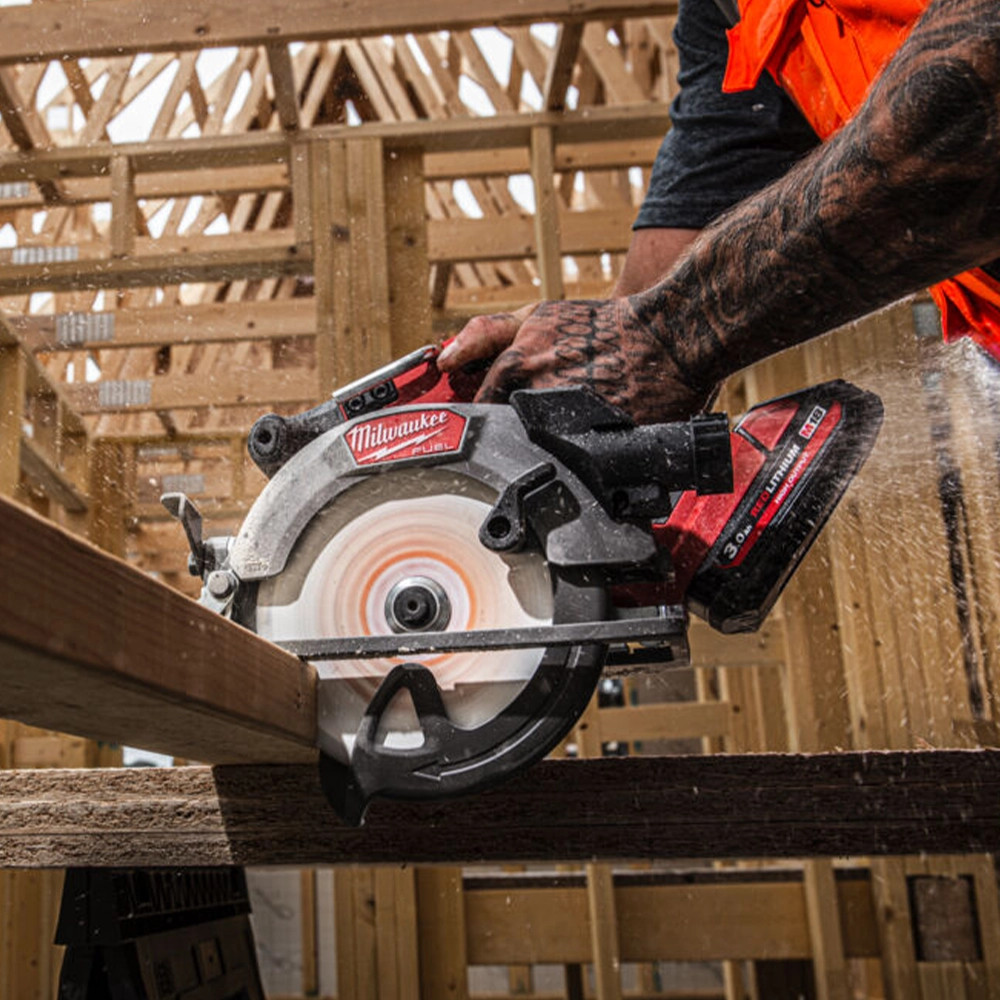
Occasional screwdriving with pauses between fixings is very different from continuously cutting thick timber with a circular saw.
Also, remember that runtime and lifespan are different. Runtime is how long you can work between charges. Lifespan is how long the battery remains useful over repeated use and charging.
Does a Higher Ah Battery Give You More Power?
A different battery can sometimes improve a tool’s performance, but the Ah rating alone cannot tell you whether it will.
The battery must supply the current the tool demands. Its cells, internal connections, electronics and heat management all influence how effectively it can do that.
Some larger packs can supply more current than smaller batteries in the same range. On a demanding tool, a suitable higher-output battery may help maintain performance under load.
However, advances in cell technology mean a compact battery can also deliver high output. A lower Ah pack with a different design may therefore perform better than its capacity figure suggests.
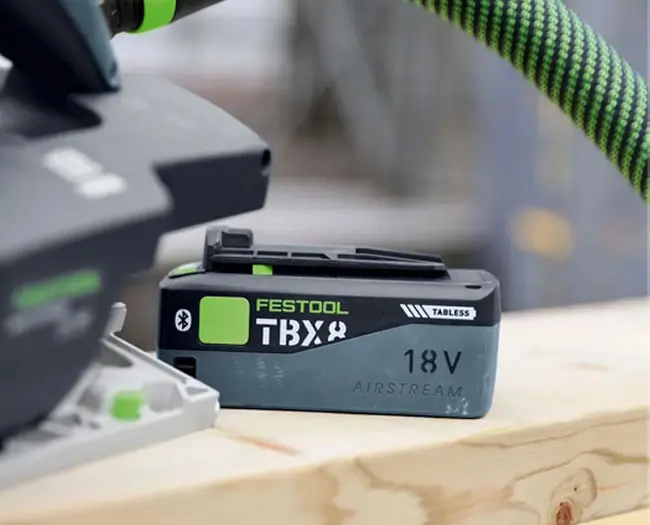
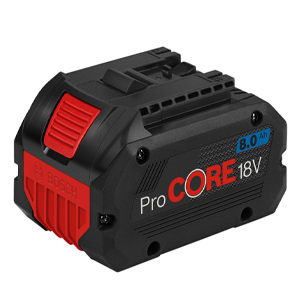
For example, Bosch’s ProCORE18V+ batteries use tabless cells to reduce internal resistance and heat, demonstrating why battery construction matters alongside capacity.
Our guide to what a tabless battery is explains how this technology works.
Choose by the tool manufacturer’s recommendations and the battery’s capabilities, rather than assuming the highest Ah rating automatically delivers the most power.
2.0Ah vs 5.0Ah Batteries: What Is the Difference?
If both batteries are approved for your tool, the choice usually comes down to runtime, handling and the work you need to complete.
| Consideration | 2.0Ah battery | 5.0Ah battery |
|---|---|---|
| Charge capacity | 2.0 amp-hours | 5.0 amp-hours |
| Nominal energy at 18V | 36Wh | 90Wh |
| Runtime in comparable use | Generally shorter | Generally longer |
| Size and weight | Often smaller and lighter | Often larger and heavier |
| Main practical benefit | Easier handling for short or awkward jobs | Fewer battery changes during longer work |
| Does the rating guarantee power output? | No. Check the battery’s design and manufacturer recommendations. | No. Higher capacity alone does not guarantee higher output. |
| Will it fit my tool? | Only if approved for the exact tool and battery platform. | Only if approved for the exact tool and battery platform. |
Size and weight vary between battery designs. Check the actual packs rather than assuming every 5.0Ah battery is heavier than every 2.0Ah option.
If you’re fitting hinges or working overhead, a compact pack may make the tool more comfortable to use. If you’re drilling repeatedly or making lots of cuts, extra runtime may be more valuable.
Voltage and Ah describe different characteristics of a battery, so you need to consider both.
Which Ah Battery Should You Choose?
Start by checking which batteries the manufacturer recommends for your exact tool. Then consider the balance between runtime, handling and workload.
For Light Fitting and Overhead Work
For fitting cupboards, assembling furniture or driving small fixings, a compact battery can help keep the tool manageable.
A suitable 2.0Ah pack may provide enough runtime for short jobs, particularly if you have a spare ready to swap in.
Extra capacity is less useful if it makes a small driver unnecessarily cumbersome for the work you’re doing.
For General Drilling and Driving
For everyday drilling and screwdriving, a compatible 4.0Ah or 5.0Ah battery can be a useful starting point, provided it suits the manufacturer’s recommendations and feels comfortable on the tool.
Think about how you use your tools throughout the day. If you regularly switch between tasks, keeping a compact battery for lighter work and a larger pack for longer jobs may give you more flexibility.
For Cutting, Grinding and Demanding Garden Work
Circular saws, grinders and some garden tools can place substantial demands on batteries.
For these applications, consider both capacity and current delivery. A battery with plenty of charge capacity still needs to supply the output the tool requires.
Check whether the manufacturer recommends a particular battery type or capacity to achieve the tool’s advertised performance.
Shop Related Categories

Can You Use a Higher Ah Battery on Your Power Tool?
Often, yes, provided the battery is approved for your exact tool and platform.
Replacing a compatible 2.0Ah battery with an approved 5.0Ah battery does not increase the tool’s voltage. You are changing its available charge capacity.
However, matching the voltage or brand name alone is not enough. Separate battery platforms can use different fittings and electronics, and some tools have restrictions or clearance requirements. Check the tool manual for approved batteries.
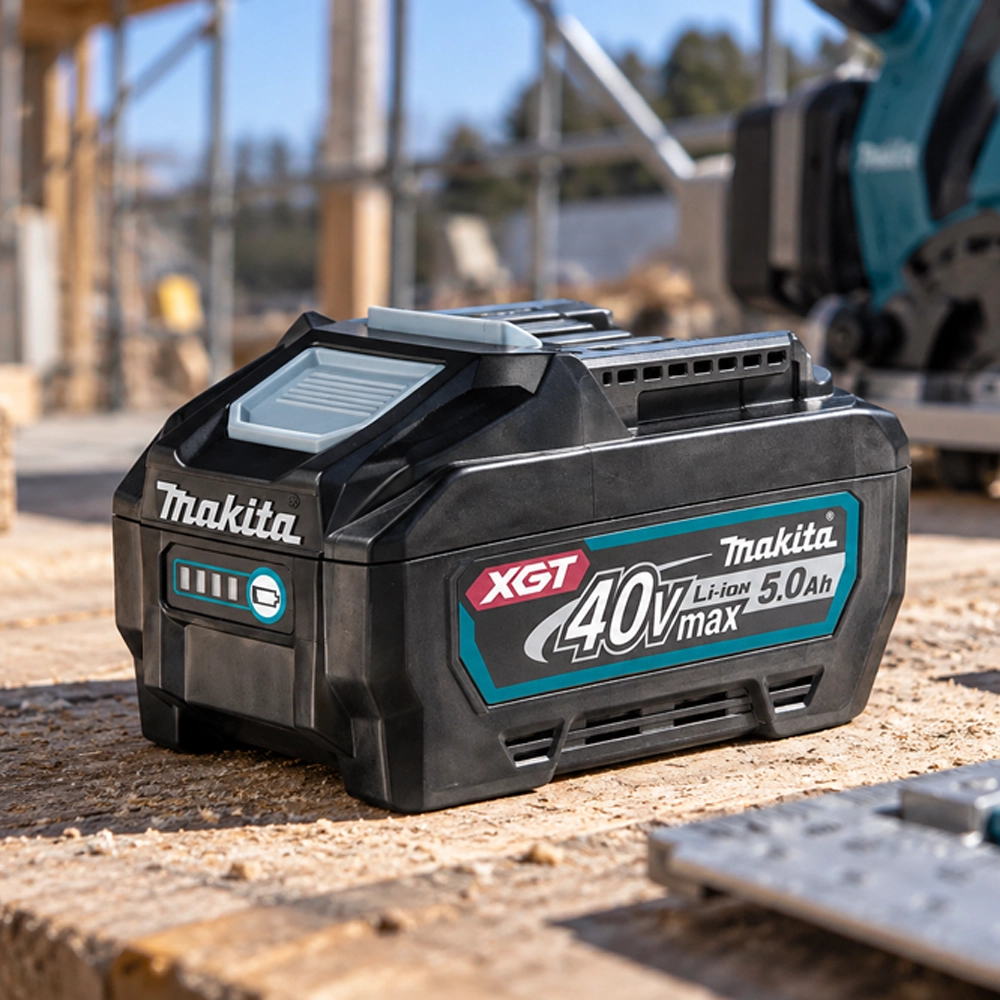
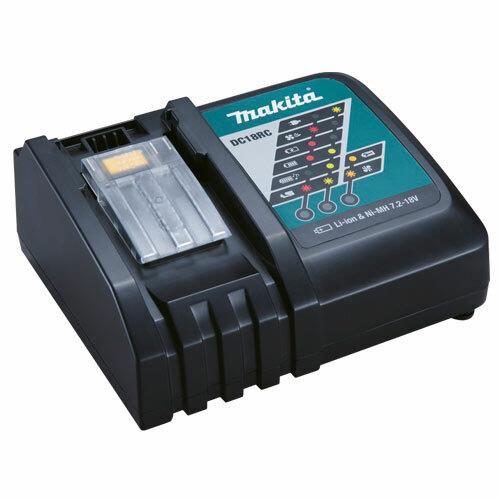
For example, Makita’s CXT, LXT and XGT ranges are separate systems. Our Makita battery compatibility guide explains the differences.
Does a Higher Ah Battery Take Longer to Charge?
Usually, a higher-capacity battery takes longer to charge when comparing similarly designed packs on the same compatible charger, starting from the same charge level.
However, capacity is only part of the calculation. Charger output, battery technology, temperature and charging controls also affect charging time.
A larger battery on a suitable rapid charger may charge faster than a smaller battery on a slower charger. Always check published charging times for the exact battery-and-charger combination.
Our Dewalt 18V charging guide and Milwaukee M12 charging guide provide more platform-specific information.
Frequently Asked Questions
How Long Will a 5.0Ah Battery Last?
There is no fixed runtime. The tool, workload, battery condition and operating temperature all affect how quickly the available charge is used. Look for manufacturer runtime figures for a comparable application.
Can I Replace a 2.0Ah Battery with a 5.0Ah Battery?
Yes, if the 5.0Ah battery is approved for your exact tool. Check compatibility and consider how the different pack will affect the tool’s weight and balance.
Are Two 2.0Ah Batteries the Same as One 4.0Ah Battery?
At the same nominal voltage, two 2.0Ah batteries have the same combined nominal energy capacity as one 4.0Ah battery. However, you must swap between them in a single-battery tool, and differences in pack design can affect performance and usable runtime.
Does a Higher Ah Battery Make a Tool Run Faster?
Not automatically. A suitable higher-output battery may help a demanding tool maintain speed under load, but a higher Ah rating alone does not guarantee increased speed or torque.
Is the Highest Ah Battery Always the Best Choice?
No. A higher capacity can reduce interruptions for charging, but compatibility, handling, power delivery and price also matter. The best choice depends on the tool and the jobs you use it for.
Final Thoughts
The Ah rating helps you compare battery capacity, particularly within the same voltage platform. Higher Ah generally means longer runtime, while power delivery depends on the battery’s design and how it works with your tool.
Check compatibility first, then choose a capacity that balances runtime with comfortable handling. For some jobs, that means a compact pack and a spare. For others, a larger battery helps you keep working with fewer interruptions.